
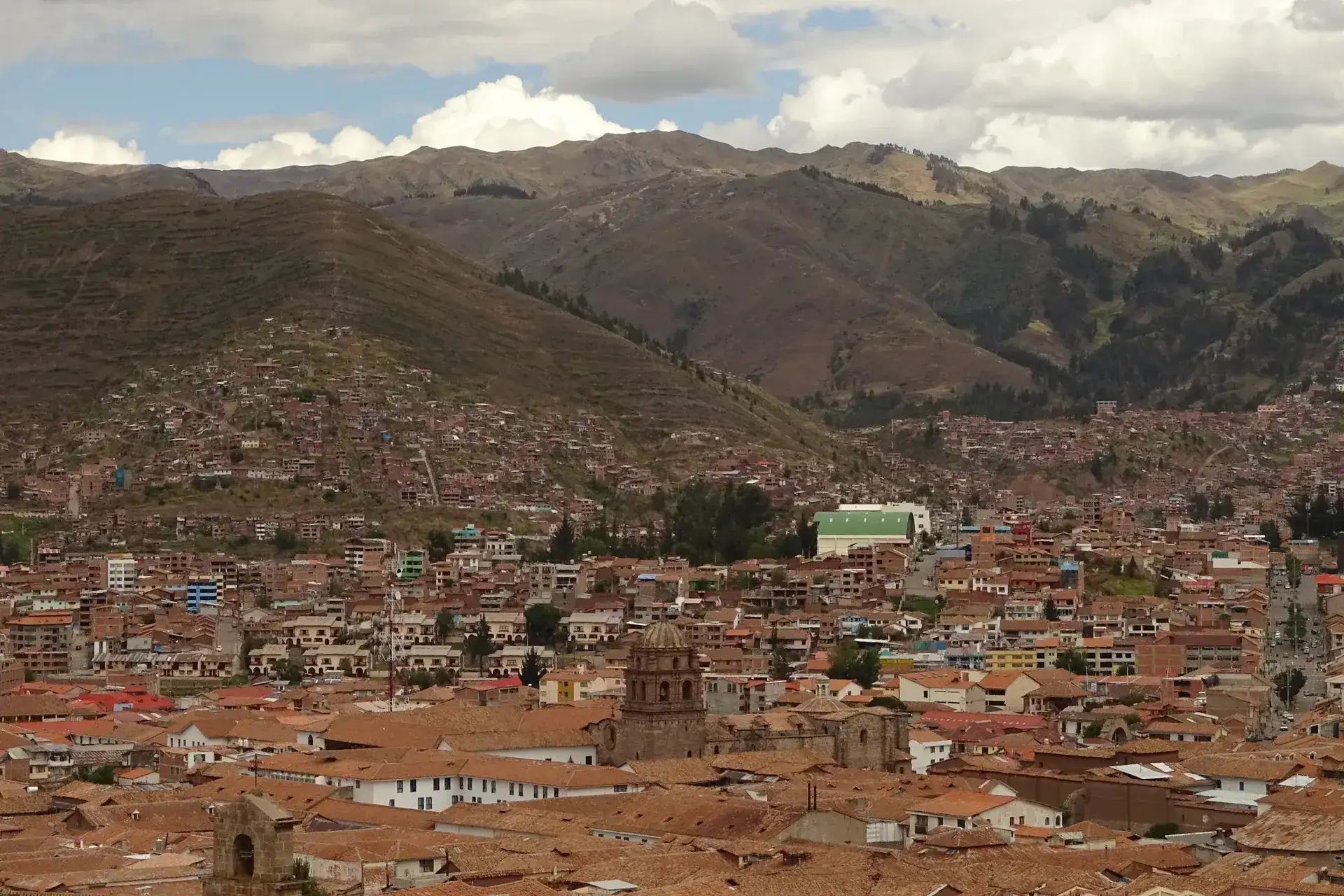
Many people arrive in Cusco thinking of it only as the gateway to Machu Picchu and leave feeling they didn't stay long enough. The old Inca capital is a city with a life of its own: streets lined with Inca walls, colonial churches, markets, artisan quarters, great food and, one or two hours away, spectacular valleys, lagoons and mountains. The short answer is yes, Cusco is worth it in its own right. This guide explains why, who it might not suit, and how to split your days.
Start here: Cusco tips · things to do in Cusco
Why it's worth it
- History on every street: the city was literally built on top of the Inca capital. Walking around the centre you'll see perfectly fitted stone walls under colonial houses.
- World Heritage: Cusco's historic centre is a UNESCO World Heritage Site, just like Machu Picchu.
- Natural setting: within a few hours you go from city to Sacred Valley, glacial lagoons or rainbow mountains.
- Living culture: Quechua is spoken on the street, religious and Andean festivals fill the calendar and markets remain the centre of daily life.
- Food: from markets to Novo-Andean cuisine, eating well is part of the trip.
- Machu Picchu history: who built it, why, and how the world found out
- Basic Quechua phrases for your trip to Cusco (with pronunciation)
- Cusco festivals: a month-by-month calendar
- What and where to eat in Cusco: typical dishes, markets and tips
Popular activities on GetYourGuide
What to do in the city
- Plaza de Armas, the Cathedral and La Compañía church.
- Qorikancha, the Sun temple on which Santo Domingo convent was built.
- San Blas, the artisans' quarter, and Hatun Rumiyoc street with the twelve-angled stone.
- San Pedro Market, for juice breakfasts, fruit and local life.
- Museums: the Inka Museum, the Pre-Columbian Art Museum and the Machu Picchu Museum at Casa Concha.
- Viewpoints such as San Cristóbal or Cristo Blanco at sunset.
- Plaza de Armas in Cusco: history, what to see around it and practical tips
- Qorikancha, the Temple of the Sun: tickets, hours, what to see and history
- San Blas, Cusco's artisan quarter: what to see, viewpoints and tips
- San Pedro Market in Cusco: what to eat, what to buy, opening hours and tips
- Inka Museum Cusco: what to see, mummies, ceramics and how to visit
- The best viewpoints in Cusco: where to see the city from above
Ruins on the city's doorstep
Above the city are Sacsayhuamán, with its huge zigzag walls, and other sites such as Qenqo, Puka Pukara and Tambomachay. You can visit them with the Tourist Ticket, by taxi, on a tour or even walking back down to the centre.
- Sacsayhuamán: how to visit, tickets, history and tips
- Qenqo, Puka Pukara and Tambomachay: the Inca sites above Cusco and how to visit them
- Cusco Tourist Ticket (Boleto Turístico): what's included and is it worth it
The Sacred Valley
The Sacred Valley of the Incas holds some of the region's most beautiful places: Pisac's terraces and market, the living Inca town of Ollantaytambo, the Maras salt pans, Moray's circular terraces and Chinchero, famous for its weaving. Being lower than Cusco, it's also a good base for your first nights while you acclimatise.
- Sacred Valley of the Incas: what to see and how to visit
- Pisac: Inca ruins, craft market and how to visit from Cusco
- Ollantaytambo: ruins, a living Inca town, the Machu Picchu train and tips
- Moray and the Maras salt mines: how to visit from Cusco or the Sacred Valley
- Chinchero: weaving, Inca ruins and market between Cusco and the Sacred Valley
Mountains and lagoons
For nature lovers, the most popular day trips are Rainbow Mountain (Vinicunca) and Humantay Lake, both high and demanding. Gentler alternatives include Palccoyo, and multi-day treks include Salkantay, Lares and Ausangate. If you're short on time, pick a single high-altitude trip and leave room to rest.
- Rainbow Mountain or Humantay Lake? A comparison to choose your day trip
- Palccoyo: the alternative rainbow mountain, easier and quieter than Vinicunca
- Salkantay Trek to Machu Picchu: route, difficulty, best season and how to plan it
- Lares Trek to Machu Picchu: route, difficulty, communities and comparison
- Altitude sickness in Cusco: how to prevent it and what to do
What to know first
To be honest, Cusco has downsides too:
- Altitude: the city sits at around 3,400 metres and altitude sickness can hit in the first days.
- Weather: nights are cold year-round and it rains often from December to March.
- Crowds: in high season the most famous sites fill up.
- Pace: steep streets and altitude are more tiring than expected.
None of this stops you enjoying the trip if you plan calmly.
- Altitude sickness in Cusco: how to prevent it and what to do
- Best time to visit Cusco and what to pack
- Rainy season in Cusco and Machu Picchu: what to expect and how to make the most of it
- Is Cusco safe? Real risks and practical tips for a worry-free trip
Who is Cusco for?
Cusco suits people who enjoy history, culture, photography, food and mountains. It's a great destination for independent travellers, couples, families with children who handle altitude well and budget travellers. It may suit you less if you want beaches, if you have heart or breathing conditions and haven't checked with a doctor, or if you only have one day.
- Cusco with kids: altitude, itinerary and family activities
- Cusco on a budget: saving on accommodation, food, transport and Machu Picchu
- Health in Cusco: vaccines, yellow fever, water, sun and first-aid kit
Sample itineraries
- 3 days: city and acclimatisation, Sacred Valley, and Machu Picchu as a day trip.
- 5 days: add a second city day with museums and a mountain trip or Maras and Moray.
- 7 days: sleep in the Sacred Valley, see Machu Picchu calmly from Aguas Calientes and add a short trek or Rainbow Mountain.
Timings are approximate; adjust to your fitness and the season.
- How many days in Cusco + 3, 5 and 7-day itineraries
- Machu Picchu day trip from Cusco: timings, logistics and whether it's worth it
- Short Inca Trail (2 days): the route from km 104, permits and what to expect
Our advice
Keep at least one day free of tours to wander the centre, sit in a square and try market food. Many of Cusco's best experiences aren't on any itinerary: a sunset at a viewpoint, a chat with an artisan or an unexpected street festival.
Before you go

eSIM for Peru
Land connected: install an Airalo data eSIM before you travel and switch it on when you land. Check first that your phone supports eSIM and is unlocked.
Get online in Peru →Frequently asked questions
- Is Cusco worth it without Machu Picchu?
- Yes. The city, nearby ruins, the Sacred Valley and the mountains justify several days on their own.
- How many days do I need in Cusco?
- At least three; five to seven lets you see it calmly.
- What to do in Cusco besides Machu Picchu?
- Explore the centre and San Blas, visit Qorikancha and Sacsayhuamán, the Sacred Valley, museums and mountain or lagoon trips.
- What's Cusco's biggest downside?
- The altitude, around 3,400 metres; acclimatise during the first days.
Book this plan
- Cusco city tourCompareSee dates →
- Sacred Valley tourCompareSee dates →
- Machu Picchu day trip from CuscoCompareSee dates →
Notice: This guide shares advice and recommendations based on research and local experience. Prices, opening hours and rules may change: always check with official sources and operators. Cusco Tips is not responsible for third-party services, bookings or decisions made using these guides; some links are affiliate links (see our affiliate policy).
Related guides
Things to do in Cusco: 30 essentials in the city and beyond
Things to do in Cusco: the city's essentials, Machu Picchu, the Sacred Valley, day trips, treks, food, markets and festivals, with 1- to 3-day plans.
Read guide →
How many days in Cusco + 3, 5 and 7-day itineraries
How many days do you need in Cusco? Short answer, key factors (altitude, Machu Picchu, treks) and day-by-day 3, 5 and 7-day itineraries.
Read guide →
Sacred Valley of the Incas: what to see and how to visit
Sacred Valley guide: Pisac, Chinchero, Moray, the Maras salt pans and Ollantaytambo, tickets, how to visit (tour, independently or with a driver) and a 2-day plan.
Read guide →
Rainbow Mountain or Humantay Lake? A comparison to choose your day trip
We compare Vinicunca and Humantay: altitude, difficulty, schedule, scenery, weather and approximate cost, to decide which to do with one day (or how to do both).
Read guide →
Free things to do in Cusco: 15 plans that cost nothing (or almost)
Free things to do in Cusco: plazas, viewpoints, San Blas, markets, free walking tours, fairs, festivals, Inca streets and short walks. Ideas for tight-budget days.
Read guide →