
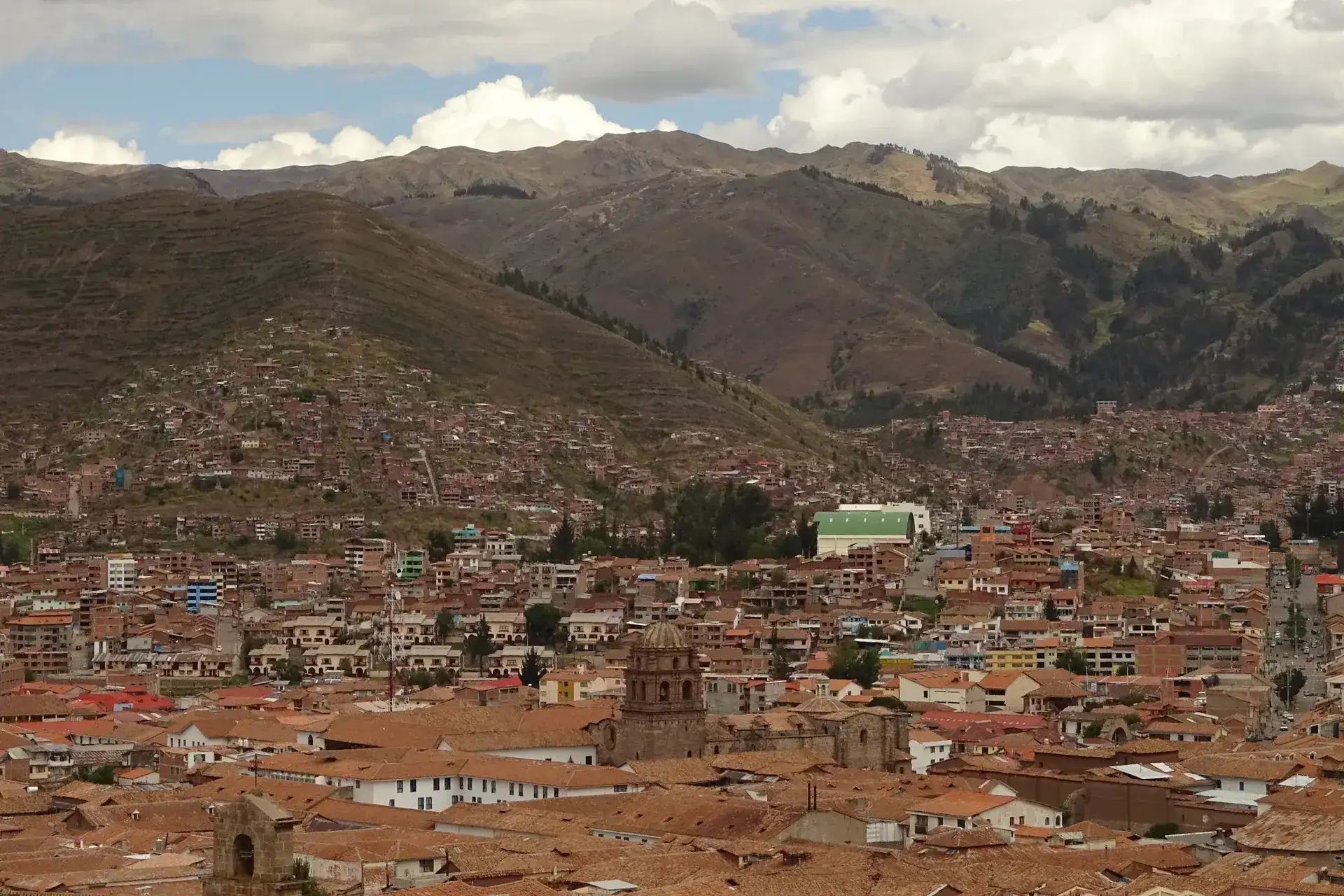
Preparing for your health is an essential part of a Cusco trip. Altitude, the intense Andean sun and changes in diet affect travellers far more than tropical diseases, which only matter if you continue into the jungle. This guide sums up the basics but doesn't replace medical advice: see a travel clinic or your doctor four to eight weeks before you go.
Start here: Cusco tips · things to do in Cusco
Recommended vaccines
Recommendations depend on your history, trip length and the areas you visit. Commonly advised:
- Routine vaccines up to date, such as tetanus-diphtheria, measles and flu.
- Hepatitis A, transmitted through food and water.
- Typhoid, especially for long stays or street food.
- Hepatitis B and rabies in specific cases, such as long stays or contact with animals.
Always check current recommendations from your country's health authorities and international health bodies.
Popular activities on GetYourGuide
Yellow fever: do I need it?
Yellow fever is spread by mosquitoes in jungle areas below a certain altitude. For trips limited to Cusco, the Sacred Valley and Machu Picchu, international health authorities generally don't consider it necessary. It's usually recommended if you visit the Peruvian Amazon, such as Puerto Maldonado or Manu, or high jungle such as Quillabamba. Also check whether your next destination requires a vaccination certificate.
Timing
The vaccine must be given at least ten days before entering a risk area. Not everyone can receive it; consult a professional.
- The Amazon from Cusco: Manu or Tambopata, how many days and how to get there
- Quillabamba: the city of eternal summer near Cusco
Altitude sickness
Cusco sits at about 3,400 m. Headaches, nausea, fatigue, breathlessness or insomnia are common in the first days. To prevent it: ascend gradually if possible, rest on day one, drink water, eat light and avoid alcohol. Coca tea is a popular local remedy. Prescription preventive medication exists; ask your doctor. If symptoms are severe or worsen, such as confusion or breathlessness at rest, seek medical help and descend.
- Altitude sickness in Cusco: how to prevent it and what to do
- Coca leaf in Cusco: tea, chewing, altitude sickness and whether you can take it home
Water and food
- Don't drink tap water. Use bottled, filtered or boiled water; many lodgings offer filtered refills.
- Be careful with ice, raw salads and unpeeled fruit where hygiene is doubtful.
- Wash your hands often or use sanitiser.
- Mild stomach upsets are common: carry rehydration salts and see a doctor if there's high fever or blood.
Sun and UV radiation
At high altitude UV radiation is very intense, often reaching extreme levels even on cloudy days. Use high-factor sunscreen and reapply, UV sunglasses, a wide-brimmed hat and lip balm. Sunburn happens fast, especially on treks and at Rainbow Mountain.
Mosquitoes and insects
Cusco city has almost no mosquitoes, but Machu Picchu, Aguas Calientes, Santa Teresa and the jungle have small biting insects. Use an effective repellent and long sleeves. In the Amazon there are mosquito-borne diseases such as dengue; follow medical advice.
- Machu Picchu via Hidroeléctrica and Santa Teresa: the budget route step by step
- Aguas Calientes (Machu Picchu Town): getting there, things to do and where to stay
Basic first-aid kit
- Painkillers and anti-inflammatories.
- Oral rehydration salts.
- Anti-diarrhoeal and, if your doctor advises, a standby antibiotic.
- Altitude medication if prescribed.
- Plasters, blister dressings and antiseptic.
- Sunscreen, lip balm and repellent.
- Your usual medication, in original packaging with prescription.
Pharmacies, clinics and insurance
Cusco has many pharmacies in the centre and private clinics used to foreign patients, plus public hospitals. In villages and on treks, medical resources are limited. Travel insurance with medical cover, evacuation and mountain activities is highly recommended, as private care can be expensive.
Children, pregnancy and pre-existing conditions
If you're travelling with young children, are pregnant or have heart or respiratory conditions or anaemia, Cusco's altitude calls for specific medical advice before booking. Sometimes it's best to start in the lower Sacred Valley and limit higher activities like Rainbow Mountain or treks above 4,500 m. Carry a medical report with your diagnosis and medication.
- Cusco with kids: altitude, itinerary and family activities
- Where to stay in the Sacred Valley: Pisac, Urubamba, Ollantaytambo and more
Before you go
eSIM for Peru
Land connected: install an Airalo data eSIM before you travel and switch it on when you land. Check first that your phone supports eSIM and is unlocked.
Get online in Peru →Frequently asked questions
- Do I need a yellow fever vaccine for Cusco and Machu Picchu?
- Generally not for trips limited to Cusco, the Sacred Valley and Machu Picchu; it's usually recommended for the jungle. Ask a professional.
- Can I drink tap water in Cusco?
- No, use bottled, filtered or boiled water.
- Which vaccines are recommended?
- Usually routine vaccines, hepatitis A and typhoid, depending on your case.
- Is the sun strong in Cusco?
- Yes, UV is very high due to altitude; always protect yourself.
Book this plan
- Cusco city tourCompareSee dates →
- Sacred Valley tourCompareSee dates →
- Machu Picchu day trip from CuscoCompareSee dates →
Notice: This guide shares advice and recommendations based on research and local experience. Prices, opening hours and rules may change: always check with official sources and operators. Cusco Tips is not responsible for third-party services, bookings or decisions made using these guides; some links are affiliate links (see our affiliate policy).
Related guides
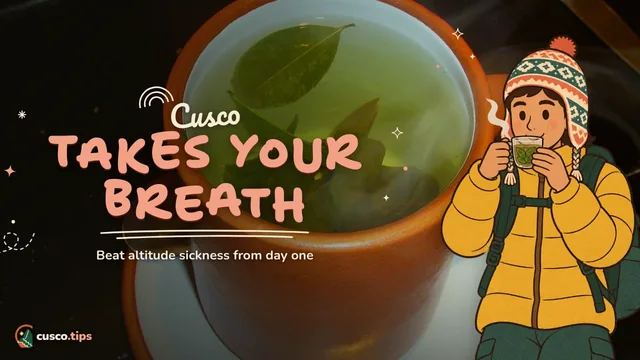
Altitude sickness in Cusco: how to prevent it and what to do
Cusco sits at about 3,400 m. Altitude sickness symptoms, warning signs, how to acclimatize, coca tea, medication and when to do the highest day trips.
Read guide →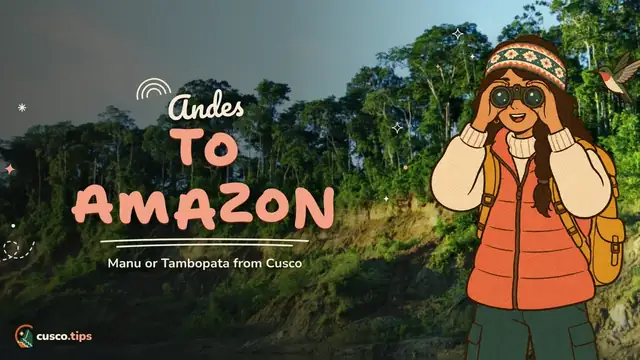
The Amazon from Cusco: Manu or Tambopata, how many days and how to get there
How to visit the Peruvian Amazon from Cusco: Manu vs Tambopata (Puerto Maldonado), trip length, flights or road, what to expect, vaccines, packing and why a day trip doesn't work.
Read guide →
Is Cusco safe? Real risks and practical tips for a worry-free trip
How safe Cusco is for tourists: theft, taxis, nightlife, protests, altitude and adventure tours. Areas, times of day and what to do in an emergency.
Read guide →
Rainy season in Cusco and Machu Picchu: what to expect and how to make the most of it
Visiting Cusco and Machu Picchu in the rainy season (November to March): weather, the February Inca Trail closure, treks, what to pack, upsides and planning tips.
Read guide →