
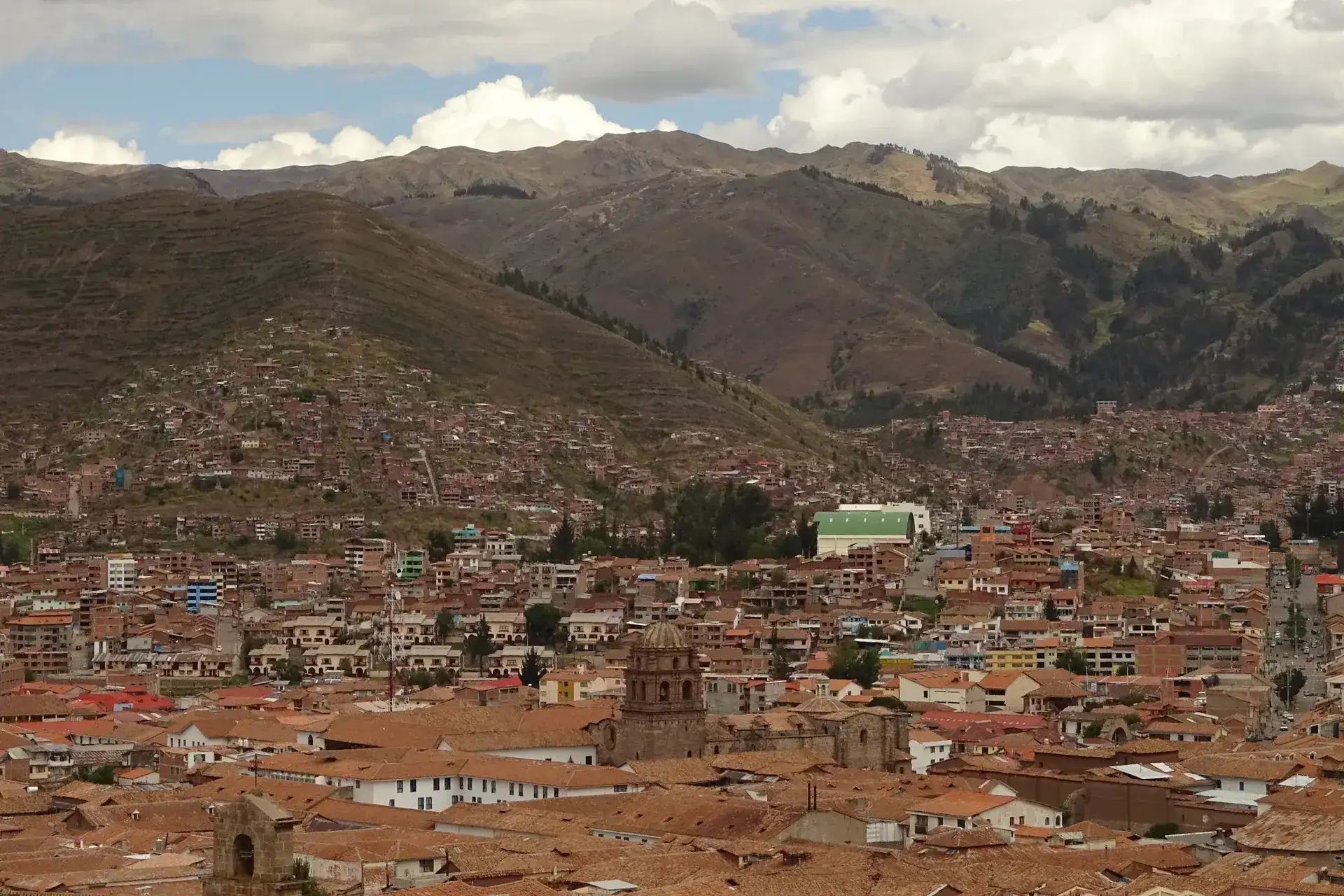
Cusco sits at about 3,400 metres above sea level, and many travellers fly in from the coast in just over an hour. Your body has no time to adapt, which is why altitude sickness — locally called soroche — is one of the most common worries. The good news: in most cases it's mild and preventable with common sense. Here's how.
Start here: Cusco tips · things to do in Cusco
Medical disclaimer
This guide is for information only and is not a substitute for advice from a health professional. If you have heart or lung conditions, are pregnant or take medication, talk to your doctor before travelling to high altitude.
What is altitude sickness?
As you climb, air pressure drops and each breath delivers less oxygen. Acute mountain sickness happens when your body hasn't had time to adjust. It can affect anyone regardless of age or fitness — being fit doesn't protect you, and sometimes makes people push too hard on day one.
Popular activities on GetYourGuide
Common symptoms
They usually appear 6–24 hours after arrival and, in most cases, improve after a day or two of rest.
- Headache (the most common symptom).
- Nausea or loss of appetite.
- Poor sleep or insomnia.
- Shortness of breath on exertion, like climbing stairs.
- Fatigue and mild dizziness.
Warning signs: when to descend and get help
Rarely, altitude sickness progresses to serious forms: high-altitude cerebral edema (HACE) or high-altitude pulmonary edema (HAPE). Both are medical emergencies.
- Confusion, odd behaviour or extreme drowsiness.
- Loss of balance or trouble walking in a straight line.
- Severe headache that painkillers don't relieve.
- Breathlessness at rest, persistent cough or frothy/pink sputum.
- Bluish lips or nails.
Heads up
With any of these signs: descend as soon as possible and seek medical help immediately. Don't wait to see if it improves.
How to prevent it
Acclimatize gradually
The key is giving your body time. A great strategy is to start in the Sacred Valley, which is lower (roughly 2,800–2,900 m in Urubamba or Ollantaytambo), spend a night or two there and go up to Cusco afterwards. The valley is also on the way to Machu Picchu.
The first 24–48 hours
- Take it easy: walk slowly, especially uphill and on stairs.
- Drink water steadily through the day.
- Avoid alcohol and smoking for the first days.
- Eat light meals; heavy dinners sit badly at altitude.
- Sleep well and don't plan demanding trips on arrival.
Tip
A good first day in Cusco: a slow stroll around the centre, a light lunch and an afternoon rest.
Coca tea and coca leaves
In the Andes, coca leaves are traditionally used to ease the effects of altitude, either as tea (mate de coca) or chewed. Many hotels offer it free at reception. The effect is mild and no replacement for acclimatization, but many travellers find it helps.
Heads up
Coca can show up in drug tests for several days. And don't try to take coca leaves or products home — importing them is illegal in many countries.
Medication and oxygen
Acetazolamide is a medication used to prevent altitude sickness, but it has contraindications and side effects. Only take it if a doctor has recommended it, ideally at a travel clinic before your trip. Ask your doctor which painkiller suits you for mild headaches, too.
Many Cusco hotels keep oxygen for guests and some offer oxygen-enriched rooms. It relieves symptoms but doesn't replace descending if warning signs appear.
High day trips: save them for later
Some of the most popular trips go well above Cusco: Rainbow Mountain (Vinicunca) is around 5,000 m and Humantay Lake about 4,200 m. Do them after at least two or three days of acclimatization, never on arrival day. Machu Picchu is lower (about 2,400 m), so altitude is usually less of an issue there.
Quick summary
- If you can, sleep in the Sacred Valley first.
- Go slowly for the first 48 hours.
- Water yes, alcohol no; light meals.
- Medication only on medical advice.
- Trips above 4,000 m at the end of your stay.
- Warning signs: descend and get medical help.
Before you go
eSIM for Peru
Land connected: install an Airalo data eSIM before you travel and switch it on when you land. Check first that your phone supports eSIM and is unlocked.
Get online in Peru →
Airport transfer
Book a private Welcome Pickups transfer from Cusco airport to your hotel before you land, with your driver waiting in arrivals. Check the price and cancellation terms when booking.
Book your airport transfer →Book this plan
- Cusco city tourCompareSee dates →
- Sacred Valley tourCompareSee dates →
- Machu Picchu day trip from CuscoCompareSee dates →
Notice: This guide shares advice and recommendations based on research and local experience. Prices, opening hours and rules may change: always check with official sources and operators. Cusco Tips is not responsible for third-party services, bookings or decisions made using these guides; some links are affiliate links (see our affiliate policy).
Related guides
Things to do in Cusco: 30 essentials in the city and beyond
Things to do in Cusco: the city's essentials, Machu Picchu, the Sacred Valley, day trips, treks, food, markets and festivals, with 1- to 3-day plans.
Read guide →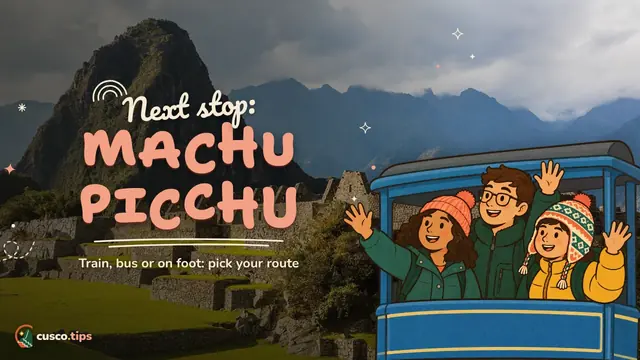
How to get to Machu Picchu: train, Inca Trail or Hidroeléctrica
Every way to reach Machu Picchu from Cusco: PeruRail and Inca Rail trains, the Inca Trail, the Hidroeléctrica route, buses to the citadel and tickets.
Read guide →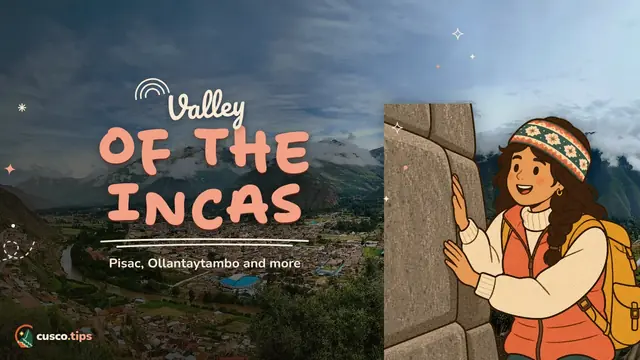
Sacred Valley of the Incas: what to see and how to visit
Sacred Valley guide: Pisac, Chinchero, Moray, the Maras salt pans and Ollantaytambo, tickets, how to visit (tour, independently or with a driver) and a 2-day plan.
Read guide →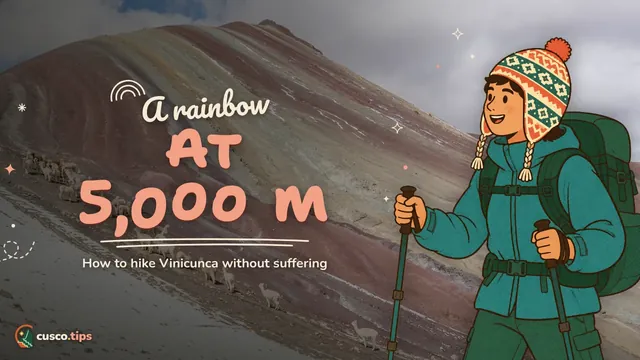
Rainbow Mountain (Vinicunca): a practical guide to visiting
How to visit Rainbow Mountain from Cusco: tours, the hike, altitude (~5,000 m), horses, Red Valley, Palccoyo, best season and what to pack.
Read guide →