
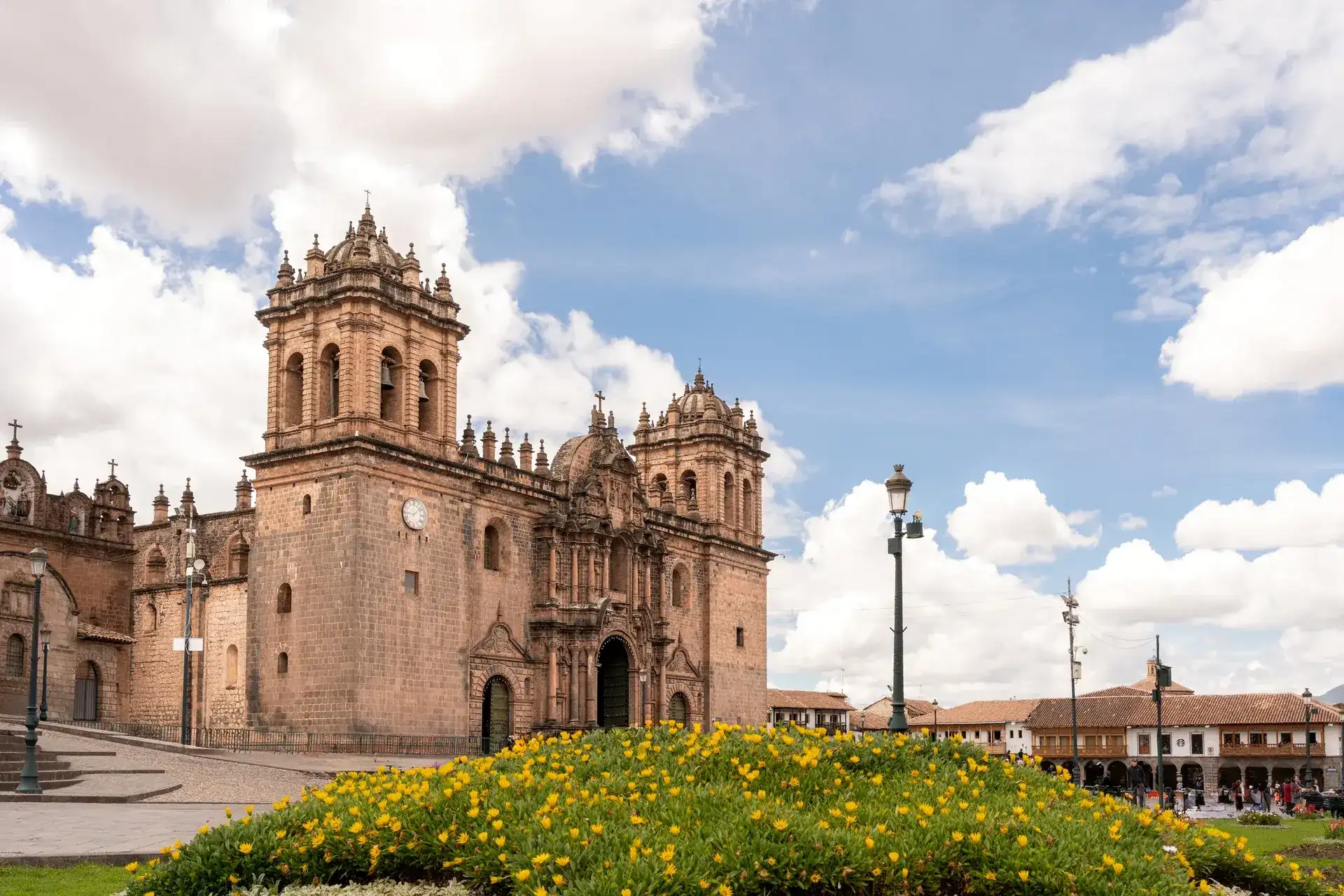
Cusco Tips: Local Advice Before You Go
By Jaime Yáñez · born in Cusco, founder of Cusco Guía in 2010 · Updated:
I was born in Cusco and grew up climbing the stairways of San Blas on my way to school. In 2010 I started Cusco Guía because every week someone asked me the same questions: will I get altitude sickness? How do I buy a Machu Picchu ticket? Is it safe to take a taxi at night? This page gathers, in one place, the advice I'd give a friend coming here for the first time.
It isn't a list of pretty places. It's what's worth knowing before you land so you don't lose a day in bed, don't overpay and get to enjoy the city the way we locals do. Every section ends with a link to our detailed guide on that topic, with more information and the official sources. Prices, timetables and rules change, so treat them as a guide and double-check before you travel.
Altitude and soroche: the first tip of all
Cusco sits at about 3,400 metres above sea level, and most travellers fly in from Lima in just over an hour. Your body has no time to adjust, which is why soroche, our word for altitude sickness, is everyone's number-one worry. The good news is that it's usually mild and largely preventable with common sense. I've watched very fit people have a harder time than their grandparents, precisely because they tried to do everything on day one.
The usual symptoms are a headache, loss of appetite, poor sleep and getting out of breath on stairs. They tend to appear in the first hours and ease after a day or two of rest. My advice as a local is simple: on arrival day, walk slowly, eat light, sip water throughout the day and skip the alcohol. A bowl of quinoa soup at lunch and an afternoon nap work wonders. Coca tea and muña are traditional, and many hotels offer them at reception.
One strategy I recommend a lot is to start in the Sacred Valley. Urubamba and Ollantaytambo are lower, at roughly 2,800 to 2,900 metres, and they're on the way to Machu Picchu anyway. Sleeping there for a night or two and then heading up to Cusco helps your body adapt. Save the trips that climb above 4,000 metres, like Rainbow Mountain or Humantay Lake, for the end of your stay.
Some signs should never be ignored: confusion, loss of balance, a severe headache that painkillers don't touch, or breathlessness while resting. With any of these, descend and get medical help straight away. If you have a heart or lung condition, are pregnant or take regular medication, talk to your doctor before you travel.
Keep your first day for a slow stroll around the Plaza de Armas. Long excursions can wait until day two or three.
Symptoms, prevention and warning signs are all covered in our guide to altitude sickness in Cusco.
Safety and common scams
Cusco is generally one of the calmest cities in Peru for travellers. The city lives from tourism and there's a strong police presence in the historic centre. That doesn't mean zero risk: as in any busy destination, the most common problem is petty theft in markets, stations, buses and crowds. Keeping your phone in a front pocket and wearing your backpack on your front at San Pedro Market or during a festival already prevents most trouble.
In restaurants, don't hang your bag on the back of your chair or leave your phone on the table. Head out with the day's cash and one card, and leave the rest in your accommodation's safe. When you need cash, use ATMs inside banks or shopping centres, preferably during the day.
The most serious risk, though uncommon, comes from unregistered taxis, especially at night. My rule is to order a ride through an app or have the hotel or restaurant call one. If you hail a taxi on the street, make sure it's clearly marked and note the plate; you can message it to someone. Never share the car with strangers the driver picks up along the way.
As for scams, be wary of anyone on the street offering Machu Picchu tickets or tours that look too cheap, of street money changers, and of any offer of drugs, which on top of the legal risk often ends in a con. On nights out, watch your drink and remember that altitude amplifies alcohol in the first days. Some stairways in San Blas and San Cristóbal are poorly lit in the small hours, so avoid walking them alone. It's also worth checking the news before leaving the city, because protests and strikes can block roads and trains for a day or more.
We've laid out the real risks, without alarmism, in our guide Is Cusco safe?, with tips by area and time of day.
Money: cash, cards, ATMs and tipping
Peru's currency is the sol. There are 10, 20, 50, 100 and 200 sol notes, plus céntimo coins and 1, 2 and 5 sol coins. US dollars are sometimes accepted in tourist areas, but usually at a poor rate, so day to day it's simply easier to pay in soles. In Cusco two worlds live side by side: cards at hotels, agencies, supermarkets and many restaurants, and cash, which is essential in markets, taxis, minibuses and villages.
There are plenty of ATMs in the centre, especially around the Plaza de Armas and Avenida El Sol. Many charge a fee per withdrawal with a foreign card, and your own bank may add another. Check the screen before accepting, and always choose to be charged in soles: the ATM's conversion to your home currency usually works out more expensive. If you bring dollars or euros in cash, the exchange offices in the centre generally beat banks, hotels and the airport. Compare two or three, count the money in front of the cashier and bring notes in perfect condition, because torn or stained ones are often refused.
A detail that surprises many visitors: 100 and 200 sol notes are hard to break in taxis, markets and small shops. Ask for smaller notes whenever you can and keep coins for public toilets, shared vans and tips.
Tipping isn't compulsory in Peru, but in Cusco's tourism industry it's an important part of the income of guides, porters, cooks and drivers. It's given in cash, ideally in soles, and directly to each person. On free walking tours the tip is the guide's payment, so build it into your budget. On multi-day treks the group usually collects it on the last day, in separate envelopes for the guide, the cook and the porters.
For fees, limits and ways to save, see our guide to money, ATMs and exchange in Cusco.
Getting around: airport, taxis, apps, buses and trains
Alejandro Velasco Astete airport is inside the city, in the Wanchaq district, about 4 to 5 kilometres from the Plaza de Armas. By car it takes roughly 15 to 30 minutes depending on traffic. In the arrivals area there are counters for authorised taxi companies: the most comfortable and controlled option, though usually the priciest. Well-known ride-hailing apps also work in Cusco and give you an upfront price and a trip record. If you land at night, with kids or with lots of luggage, a hotel pick-up with a name sign is the most relaxed choice. Don't accept offers from people without ID inside the terminal.
In town, the historic centre is best explored on foot: the Plaza de Armas, San Blas, Qorikancha and San Pedro Market are all a short walk apart. Just bear in mind that the streets up to San Blas, San Cristóbal and Sacsayhuamán are very steep, so in your first days go slowly or take a taxi. Taxis are everywhere and most don't use meters, so ask "¿cuánto?" before getting in and carry small notes. Minibuses and city buses are very cheap and run along avenues like El Sol and La Cultura, but they're packed at rush hour.
To leave the city, shared vans and cars depart when full towards Pisac, Urubamba, Chinchero and Ollantaytambo. Stops and times change, so ask at your accommodation.
There's no road to Machu Picchu: the train is the usual way to reach Aguas Calientes. PeruRail and Inca Rail both operate, with budget, mid-range and luxury classes. Trains leave from Poroy, about 20 minutes from the centre; from Ollantaytambo, which has many more departures and a shorter ride; and in some seasons from San Pedro station or Urubamba. Always check the exact station on your ticket, because timetables can change in the rainy season.
About to land? Read first how to get from Cusco airport to the city centre without stress.
When to go: dry season, rainy season and festivals
You can visit Cusco all year round; what changes is the experience. We don't have four seasons here, we have two. The dry season, roughly May to September, brings sunny days, blue skies and cold nights, with frost possible in June and July. It's high season: especially from June to August there are more travellers, tickets sell out sooner and accommodation fills up.
The rainy season, more or less November to March, usually means afternoon showers and often clear mornings. The landscapes turn intensely green and there are fewer tourists. February tends to be the wettest month, and it's when the Inca Trail closes for maintenance. Rain also raises the risk of landslides on routes such as the Hidroeléctrica road, so leave yourself buffer days.
If you ask me, April and May, and September and October, strike a great balance: fairly stable weather, still-green scenery in April and May, and fewer people than in the peak of the Andean winter. Daytime temperatures vary little through the year; what really changes are the nights and the rain.
Festivals are another reason to pick your dates. Carnival arrives in February or March with water fights. During Holy Week, on Holy Monday, the Lord of the Earthquakes, Cusco's patron, is carried in procession. Corpus Christi, in May or June depending on the year, gathers the saints in the Plaza de Armas, and Inti Raymi, every 24 June, re-enacts the Inca Festival of the Sun at Sacsayhuamán. The city is magical on those dates, but you'll need to book everything well in advance.
To choose your month calmly, see our guide to the best time to visit Cusco, with a month-by-month summary.
Machu Picchu: tickets and circuits
If there's one piece of advice I repeat over and over, it's this: buy your Machu Picchu ticket first and plan everything else around it. The sanctuary is managed by Peru's Ministry of Culture, daily visitor numbers are capped, and every ticket is tied to a circuit, a route and an entry time. In high season, and above all for Huayna Picchu or Machu Picchu Mountain, tickets sell out weeks or even months ahead.
Official sales run through the Ministry's platform, linked from the official website machupicchu.gob.pe. You choose the date, the type of visit, the circuit and the time, then enter each visitor's details exactly as they appear on their passport or ID. Watch out for sites with similar names that resell tickets at inflated prices: check that the domain ends in .gob.pe. You can also buy through agencies that bundle the ticket, train, bus and guide; they usually add a mark-up, but they handle the logistics for you.
Since 2024 visits have been organised into three circuits. Circuit 1 covers the upper area, with the widest panoramic views, and some of its routes climb Machu Picchu Mountain or go up to the Sun Gate. Circuit 2 is the classic and the most complete for a first visit: it combines the postcard view from the terraces with a walk through much of the citadel. Circuit 3 focuses on the lower area and includes the Huayna Picchu climb. Inside, the path is one-way and you can't switch circuits.
My recommendation for a first-timer with only one day is Circuit 2. If the classic photo is your priority, check before paying that your route includes the upper terrace. And match your entry time carefully with the train and the bus up: there's little tolerance for latecomers.
A booking order that works: Machu Picchu ticket first, then the train, then your accommodation.
The step-by-step is in our guide to Machu Picchu tickets, and the circuits are explained in detail in the guide linked from there.
Food and drink: what to try and how to stay well
Cusco is one of the best places in Peru to discover Andean cooking: native potatoes, giant-kernel corn, quinoa, trout, guinea pig and recipes handed down through generations. In your first days at altitude, eat light: a quinoa soup or grilled trout sits much better than a heavy plate late at night.
Once you've acclimatised, try lomo saltado, ají de gallina, rocoto relleno, which can be properly spicy, and chicharrón; the town of Saylla, just outside the city, is known for its chicharrón houses. Guinea pig, or cuy, has been a ceremonial Andean dish since pre-Hispanic times; in Cusco it's usually roasted whole and stuffed with herbs, and the Tipón area is famous for it. Adobo is traditionally eaten on Sunday mornings, and chiriuchu is a cold festive platter tied to Corpus Christi that's hard to find at other times.
For snacks, choclo con queso, big Andean corn with fresh cheese, is a roadside classic, anticuchos are the favourite evening street food, and pan chuta from Oropesa is a treat. To drink, coca tea and muña are everyday infusions, chicha morada is a non-alcoholic purple-corn drink, and chicha de jora is fermented corn beer: traditional chicherías are marked by a pole with a red flag or bag at the door.
My advice for a happy stomach: drink bottled or treated water, go easy on raw food in the first days and pick stalls with a steady stream of local customers. San Pedro Market is perfect for fresh juices and home cooking, with your backpack worn on your front.
Dishes, markets and practical tips are in our guide to what and where to eat in Cusco.
What to pack
Packing for Cusco puzzles a lot of people: the midday sun is fierce, it can freeze at night and, if you continue to Machu Picchu, within a few hours you're in a mild, humid climate. Machu Picchu is lower, at about 2,400 metres, and the high jungle around Santa Teresa or Quillabamba is hot. The trick isn't to pack a lot, it's to pack well.
The golden rule is to dress in layers, just as we locals do. A base layer of breathable tops, ideally quick-dry rather than cotton for long walks. A mid layer such as a fleece or a thin alpaca sweater for mornings and evenings. And a windproof, waterproof outer layer. In the dry season add a light down jacket if you'll be up before dawn for high-altitude trips. You head out wearing everything in the morning and peel layers off by midday.
For your feet, worn-in hiking shoes or light boots with a good sole: Cusco's streets are cobbled and steep, and Machu Picchu has a lot of stone steps. Take sun protection seriously, because radiation is intense at this altitude: sunscreen, sunglasses and a cap or hat. Add a plastic poncho or a hooded rain jacket, thermal layers if you travel June to August or head to Rainbow Mountain or Humantay, and warm pyjamas, because many budget places have no heating.
The good news is that you don't need to bring everything. In Cusco you'll find alpaca hats, gloves, ponchos and sweaters, and there are outdoor gear shops in the centre. A chullo bought here also makes a great souvenir. Bring a small daypack that meets Machu Picchu's rules.
The full list by season is in our guide on what to pack for Cusco and Machu Picchu.
The Tourist Ticket and the Sacred Valley
Sooner or later, at the ruins around Cusco or in the Sacred Valley, someone will ask for your Boleto Turístico del Cusco. It's sold by COSITUC, and at most of these places it's the only way in, because single tickets usually aren't sold at the gate. Understanding it saves you money, queues and surprises.
There's a full ticket covering around 16 attractions across three circuits and valid for several days, and partial tickets for a single circuit, cheaper and valid for less time. The sites include Sacsayhuamán, Q'enqo, Puka Pukara and Tambomachay just outside the city; several museums and the folk dance show at the Centro Qosqo de Arte Nativo; Tipón and Pikillaqta in the South Valley; and Pisac, Ollantaytambo, Chinchero and Moray in the Sacred Valley.
The big confusion is what it doesn't include: Machu Picchu has its own ticket, the Qorikancha temple and Santo Domingo convent have a separate one, the Cathedral and other churches are on the religious circuit ticket, and the Maras salt pans are paid separately to the local community. You can buy it at the entrance of the included sites or at the COSITUC office on Avenida El Sol. Bring cash in soles, since cards aren't always accepted, and your ID.
The Sacred Valley deserves at least one full day. Pisac combines terraces and a citadel with its craft market; Moray and the Maras salt pans amaze everyone; and Ollantaytambo is a living Inca town with an impressive fortress, as well as the departure point for most trains to Machu Picchu. That's exactly why combining the valley and Machu Picchu on one route is so practical.
Ticket types and what each circuit includes are in our guide to the Cusco Tourist Ticket.
How many days to stay and a first-day plan
It's the question I get most. My short answer: three days is the bare minimum, enough for Machu Picchu and a little of the Sacred Valley, but rushed and with hardly any time to acclimatise. Five days is the sweet spot for most people: Cusco, the Sacred Valley and Machu Picchu at a comfortable pace. With seven days or more there's room for Humantay Lake, Rainbow Mountain or a trek without stress. Classic treks such as the Inca Trail or Salkantay take four or five days on their own.
A five-day plan that works very well: on day one, go straight from the airport down to the lower Sacred Valley to acclimatise with an easy afternoon. Day two, Pisac in the morning and Moray and Maras in the afternoon. Day three, Ollantaytambo and the train to Aguas Calientes. Day four, Machu Picchu early, then train and bus back to Cusco. Day five, Sacsayhuamán and the nearby ruins, Qorikancha and San Pedro Market.
If you'd rather spend your first day in Cusco, here's my local's plan: drop your bags, have a cup of tea and wander unhurriedly to the Plaza de Armas. Sit for a while facing the Cathedral, walk down Hatunrumiyoc street to see the twelve-angled stone and climb slowly towards San Blas. Have a light lunch, rest in the afternoon and, if you feel good, go back to the square at dusk, when the lights come on.
Whatever your plan, add a buffer day if you can. Weather, a landslide or a strike can disrupt the trains, and nothing spoils a trip like a flight home the day after Machu Picchu.
Copy the day-by-day itineraries in our guide how many days in Cusco.
What you shouldn't miss
After all these years writing about my city, I still think the best of Cusco doesn't fit in a list. It's in sitting on a bench in San Blas, the smell of pan chuta in the morning, hearing Quechua at the market. But if you want a map to start with, we have a guide with all the essentials, from the must-sees to the lesser-known plans.
I'll keep updating this page whenever the rules, circuits or transport change. If something you read here no longer matches what you find in Cusco, let us know, so we can keep helping the next traveller.
Start with our guide to the best things to do in Cusco, with ideas for every kind of traveller.
Frequently asked questions
- How many days do I need in Cusco?
- Three days is the minimum to see Machu Picchu and a little of the Sacred Valley; five is ideal for most people, and with seven or more you can add high-altitude trips or a trek.
- How do I avoid altitude sickness in Cusco?
- Take your first day easy: walk slowly, drink water, eat light and avoid alcohol. Starting in the Sacred Valley, which is lower than Cusco, helps you acclimatise. With severe symptoms, descend and get medical help.
- Is Cusco safe for tourists?
- Generally, yes. Petty theft is the most common issue: watch your phone and bag in crowded places and use app taxis or ones called by your hotel, especially at night.
- Do I need cash in Cusco?
- Yes. Many hotels and restaurants take cards, but markets, taxis, minibuses and villages almost always run on cash in soles. Carry small notes.
- Where do I buy Machu Picchu tickets?
- On the Ministry of Culture's official platform, linked from machupicchu.gob.pe, or through an agency. Be wary of look-alike sites without a .gob.pe domain.
- Which Machu Picchu circuit should I choose?
- For a first one-day visit, Circuit 2 is usually the most complete. Circuit 1 has the widest views and Circuit 3 includes Huayna Picchu.
- What's the best time to visit Cusco?
- The dry season, roughly May to September, is sunnier but busier. April–May and September–October usually offer a good balance of weather and crowds.
- Does the Tourist Ticket include Machu Picchu?
- No. Machu Picchu, the Qorikancha temple, the Cathedral and the Maras salt pans are paid separately. The ticket covers ruins, museums and sites in Cusco, the South Valley and the Sacred Valley.
- How do I get from the airport to central Cusco?
- By authorised taxi from the terminal, a ride-hailing app or your hotel's pick-up. The airport is just a few kilometres from the Plaza de Armas.