
If you plan to visit the ruins around Cusco or the Sacred Valley sites, sooner or later you'll be asked for the Boleto Turístico del Cusco. Many of these places don't sell individual tickets, so understanding how it works saves money, queues and surprises. Here's what it includes, what it doesn't (the big confusion) and which option suits you.
Start here: Cusco tips · things to do in Cusco
What is the Tourist Ticket?
It's a combined ticket sold by COSITUC (the committee that manages integrated cultural tourism services in Cusco). It covers a group of archaeological sites, museums and cultural attractions in Cusco, the South Valley and the Sacred Valley. At most of these places it's the only way in — single tickets usually aren't sold at the gate.
Popular activities on GetYourGuide
Ticket types
Full (integral) ticket
It includes around 16 attractions across all three circuits and is valid for several days — commonly about 10 days from first use, but confirm the current validity when you buy. It's the best choice if you're spending several days in the area.
Partial tickets (Circuit I, II or III)
Each covers a single circuit and is valid for a shorter time, typically 1–2 days depending on the circuit. They're cheaper and enough if you're short on time or only interested in one area.
Reduced rates exist for some students with valid ID and for Peruvian nationals or certain other countries. Conditions and prices change, so check the official COSITUC website before you go.
Sites in each circuit
Circuit I: around Cusco
- Sacsayhuamán: the huge fortress-temple with giant stone walls.
- Q'enqo: a shrine carved into rock.
- Puka Pukara: a small Inca checkpoint.
- Tambomachay: the 'Inca baths', with water fountains.
Circuit II: Cusco museums and South Valley
- Museum of Contemporary Art.
- Regional History Museum.
- Qorikancha Site Museum (the museum, not the temple).
- Pachacútec Monument, with a city viewpoint.
- Centro Qosqo de Arte Nativo, with its evening folk dance show.
- Tipón: impressive Inca terraces and water channels.
- Pikillaqta: a pre-Inca Wari city.
Circuit III: Sacred Valley
- Pisac: terraces and citadel above the town.
- Ollantaytambo: the fortress beside a living Inca town.
- Chinchero: ruins and a weaving village.
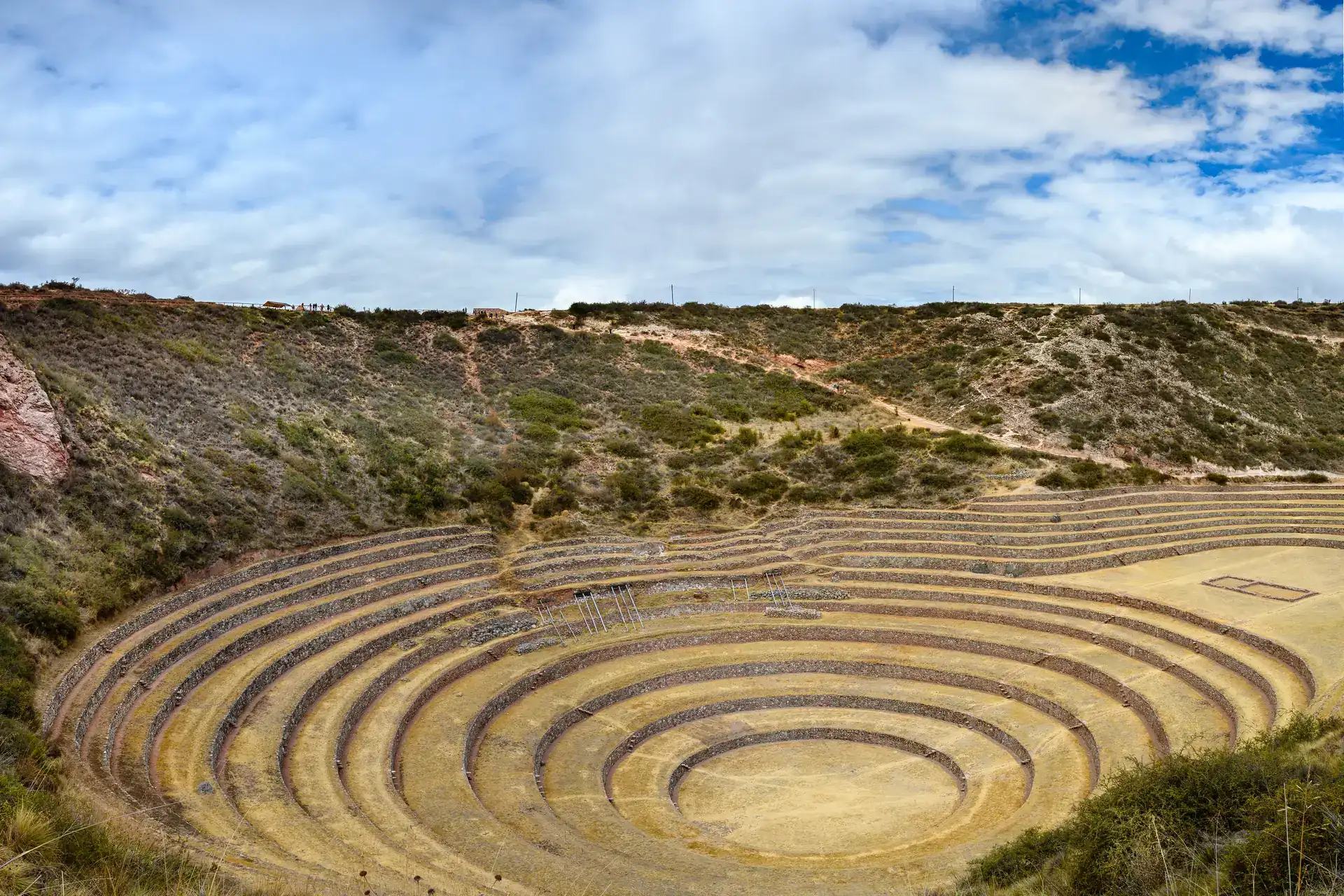
- Moray: the famous circular terraces.
What the Tourist Ticket does NOT include
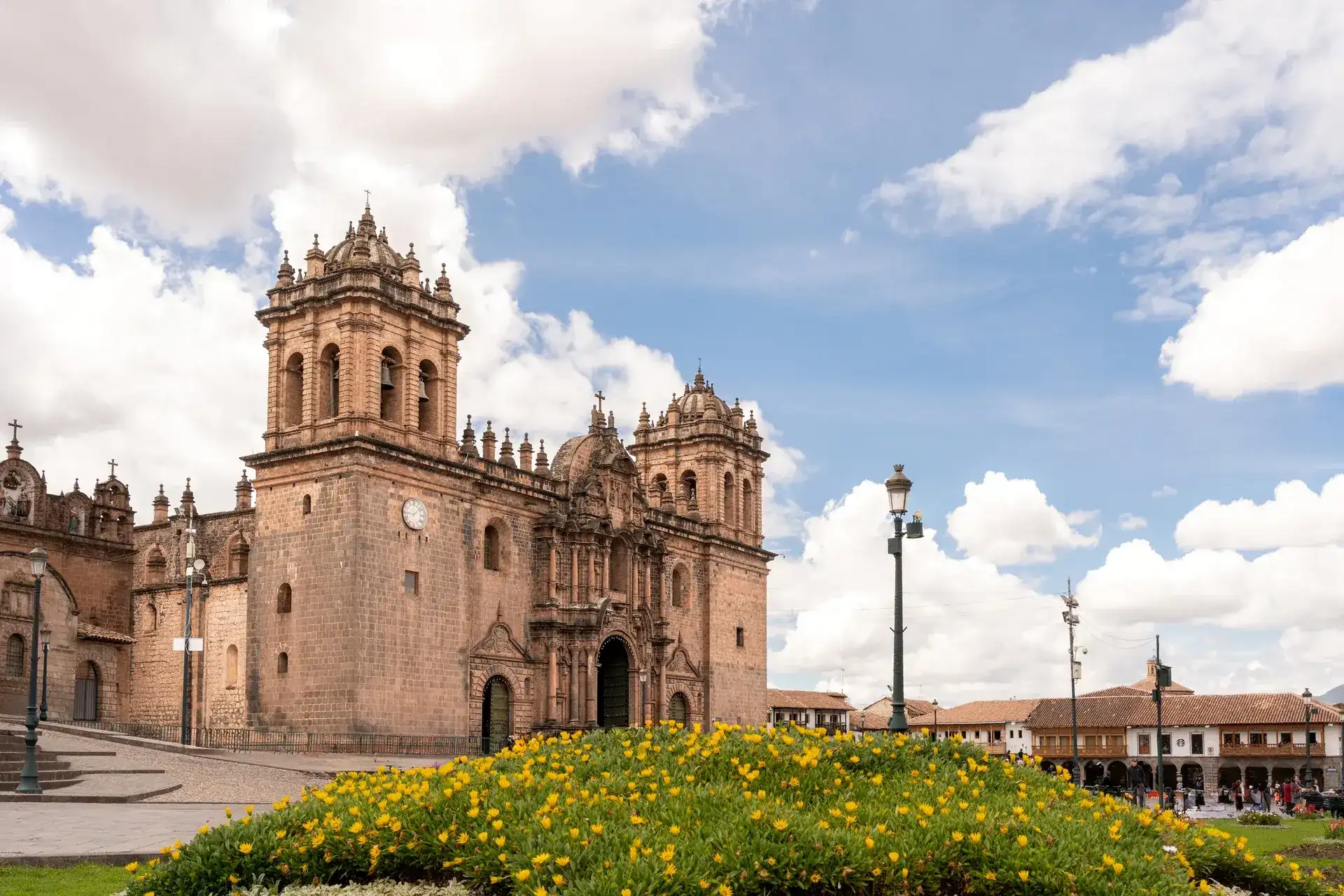
Machu Picchu (separate ticket at tuboleto.cultura.pe); the Qorikancha temple / Santo Domingo convent (own ticket); the Cathedral and other churches (they're on the separate religious circuit ticket); and the Maras salt pans, paid separately to the local community.
Where to buy it
- At the entrance of the included sites (e.g. Sacsayhuamán or Pisac).
- At the COSITUC office in Cusco, on Av. El Sol.
- Bring cash in soles — cards aren't always accepted.
- Keep it with your ID or student card: it's checked and stamped at every site.
Tip
Take a photo of your ticket in case you lose it; it's not a replacement, but helps if you need to ask at the office.
Official sources
Is it worth it?
If you'll visit Sacsayhuamán and any Sacred Valley site, you basically need it — there's no other way in. The real question is which one:
- Short stay (1–2 days), only ruins near Cusco: Circuit I partial.
- One Sacred Valley day tour: Circuit III partial.
- Three days or more covering Cusco and the valley: the full ticket usually works out better.
- Not into museums? Do the maths — two partials may cover what you want.
How to use it over 2–3 days
- Day 1: city tour or DIY visit to Sacsayhuamán, Q'enqo, Puka Pukara and Tambomachay (Circuit I), then walk down towards San Blas.
- Day 2: Sacred Valley — Pisac, Ollantaytambo, Chinchero and Moray (Circuit III), ideally on a tour.
- Day 3: Tipón and Pikillaqta in the morning, museums in the afternoon and the dance show at Centro Qosqo (Circuit II).
Practical tips
- Visit Sacsayhuamán early or late afternoon for fewer people and better light.
- From Sacsayhuamán you can walk down to Cusco via San Cristóbal, with views over the whole city.
- Many Sacred Valley tours do NOT include the ticket — ask before booking and bring cash.
- Opening hours change; confirm them on the COSITUC website.
- You're above 3,400 m: Circuit I sites involve uphill walking.
Before you go
eSIM for Peru
Land connected: install an Airalo data eSIM before you travel and switch it on when you land. Check first that your phone supports eSIM and is unlocked.
Get online in Peru →Book this plan
- City tour of the Tourist Ticket sitesCompareSee dates →
- Sacred Valley tourCompareSee dates →
- South Valley: Tipón, Pikillacta and AndahuaylillasCompareSee dates →
Notice: This guide shares advice and recommendations based on research and local experience. Prices, opening hours and rules may change: always check with official sources and operators. Cusco Tips is not responsible for third-party services, bookings or decisions made using these guides; some links are affiliate links (see our affiliate policy).
Related guides
Things to do in Cusco: 30 essentials in the city and beyond
Things to do in Cusco: the city's essentials, Machu Picchu, the Sacred Valley, day trips, treks, food, markets and festivals, with 1- to 3-day plans.
Read guide →
Sacred Valley of the Incas: what to see and how to visit
Sacred Valley guide: Pisac, Chinchero, Moray, the Maras salt pans and Ollantaytambo, tickets, how to visit (tour, independently or with a driver) and a 2-day plan.
Read guide →
How many days in Cusco + 3, 5 and 7-day itineraries
How many days do you need in Cusco? Short answer, key factors (altitude, Machu Picchu, treks) and day-by-day 3, 5 and 7-day itineraries.
Read guide →
Altitude sickness in Cusco: how to prevent it and what to do
Cusco sits at about 3,400 m. Altitude sickness symptoms, warning signs, how to acclimatize, coca tea, medication and when to do the highest day trips.
Read guide →