
PeruRail vs Inca Rail: how to choose your Machu Picchu train (no invented schedules)
Updated:
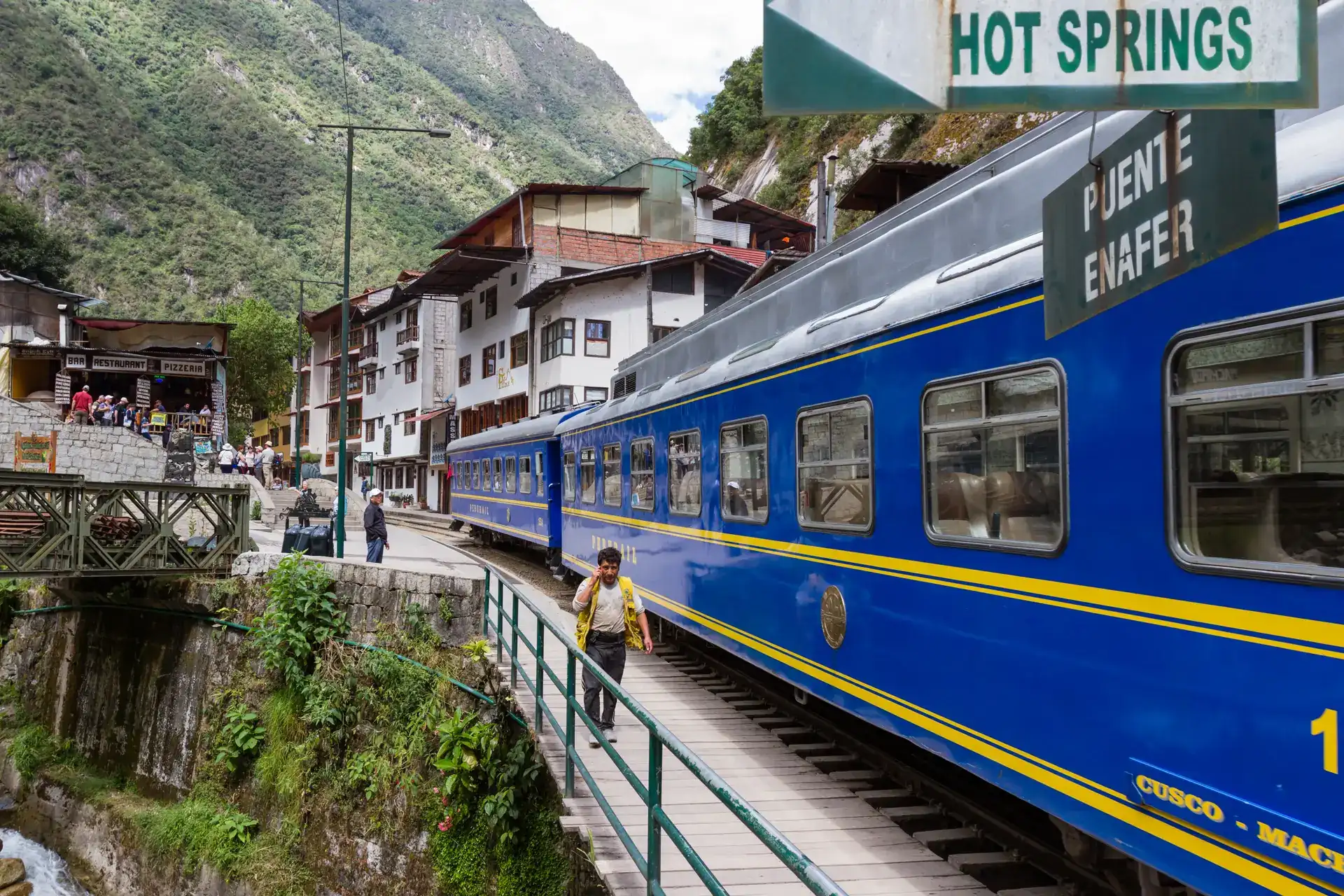
To reach Machu Picchu Pueblo (Aguas Calientes) there is no continuous tourist road: the final stretch is by train (unless you walk/bike via Hidroeléctrica). Two operators share the line: PeruRail and Inca Rail. Both arrive in the same town; from there you bus or walk up to the sanctuary. The useful question is not which brand is «better» in the abstract, but which departure fits your Machu Picchu entry, which station you leave from, and which window class you want. This is a high-level comparison. We invent no prices or schedules: check official sites before you pay.
Start here: Cusco tips · things to do in Cusco
What does not change between brands
- Same main rail corridor to Aguas Calientes from the Sacred Valley.
- Train time from Ollantaytambo: on the order of about 90 minutes (approx.; confirm on your ticket).
- Same arrival town; then Consettur bus or walk to the sanctuary gate.
- Limited luggage on the train: small bag rules per operator; leave large suitcases in Cusco or Ollantaytambo.
- Aguas Calientes (Machu Picchu Town): getting there, things to do and where to stay
- Machu Picchu bus from Aguas Calientes: how it works, tickets and queues
- Luggage storage in Cusco: hotels, left-luggage, the Machu Picchu train and treks
Popular activities on GetYourGuide
Classes in broad strokes
PeruRail (indicative):
- Expedition: practical class, panoramic side windows; often the brand’s most basic Machu Picchu option.
- Vistadome: more glass (sides and roof), often a snack and cultural show on some runs (especially return).
- Vistadome Observatory / premium and Hiram Bingham (Belmond): observatory or luxury experiences; check availability.
Inca Rail (indicative):
- The Voyager: entry-level, wide windows.
- The 360°: views-focused, with an observation / open-air concept depending on service.
- The Prime / First Class / Private: higher tiers with more onboard service.
Do not obsess over the brand name: pick the time that protects your Machu Picchu circuit and, if budget allows, the window class you care about. An Expedition or Voyager at the right hour beats a Vistadome that makes you miss entry.
- Machu Picchu circuits explained: which to choose (1, 2 or 3) and what you see
- Machu Picchu tickets: how to buy them on the official site and not miss out
Cheaper outbound, views on the return
Many people prioritise panoramic class on the daylight canyon stretch. Check what each ticket includes on the day you book.
Stations and where you depart
- Ollantaytambo: main year-round station for both brands. Ideal if you sleep in the Sacred Valley or want to avoid very early Cusco starts.
- Poroy (near Cusco): PeruRail runs from here in season (typically May–December; confirm for your year). The rail ride is longer than from Ollantaytambo.
- San Pedro / other Cusco departures: season- and service-dependent; do not assume a direct train every month.
- Bimodal service: bus from Cusco to Ollantaytambo (or similar) + train. Both brands offer it with different city boarding points. Useful in the rainy season or when Poroy/San Pedro are not running as expected.
- Hidroeléctrica: short PeruRail hop for walkers/cyclists from Santa Teresa; not the classic Cusco train.
- Ollantaytambo: ruins, a living Inca town, the Machu Picchu train and tips
- Machu Picchu via Hidroeléctrica and Santa Teresa: the budget route step by step
- Where to stay in Ollantaytambo: areas, pros and when it makes sense
Seasonal Poroy vs year-round Ollantaytambo
Practical rule: Ollantaytambo is the safe bet all year. Poroy (and some city departures) cluster in the dry/high season (May–December in recent practice), but calendars are revised: check your exact month on the operator site. January–April often leans more on Cusco→Ollantaytambo bimodal. Do not buy from an old blog.
Rainy season
Landslides or track adjustments happen some years. Keep flexibility and read official notices days before.
Decide in five minutes
- Write down your Machu Picchu entry / circuit time.
- Leave margin for train + bus + queues + control (loose beats tight).
- Choose station: sleeping in Cusco or the valley?
- Compare the same time band on both websites (or your agency) for class + luggage rules.
- Book coherent outbound and return; a late return can clash with a Cusco night.
- Machu Picchu day trip from Cusco: timings, logistics and whether it's worth it
- How to book accommodation in Cusco: key dates, tricks and mistakes to avoid
Common myths
- «Inca Rail is always pricier / PeruRail is always worse»: depends on class, time and promotion.
- «A dearer train guarantees a better Machu Picchu visit»: your entry ticket and circuit define the visit, not the carriage colour.
- «There is always a direct train from Cusco»: no — it depends on station and season.
Next step
- How to choose a tour agency in Cusco: a checklist to get it right
- Sacred Valley and Machu Picchu in 2 days: the connecting tour explained
eSIM for Peru
Land connected: install an Airalo data eSIM before you travel and switch it on when you land. Check first that your phone supports eSIM and is unlocked.
Get online in Peru →Frequently asked questions
- Is PeruRail or Inca Rail better?
- Neither wins in the abstract. The schedule that fits your Machu Picchu entry and the class you want to pay for wins. Compare on official sites.
- Where does the train leave from?
- Most often Ollantaytambo year-round. Poroy and other Cusco departures are seasonal; bimodal bus + train also exists.
- How long is the train from Ollantaytambo?
- Roughly about 90 minutes, but confirm on your ticket; do not trust a memorised blog time.
- Can I bring a large suitcase?
- Generally no: weight and size limits apply. Leave big bags at the hotel or luggage storage.
Book this plan
- Machu Picchu day trip from CuscoCompareSee dates →
- Sacred Valley and Machu Picchu in 2 daysCompareSee dates →
Notice: This guide shares advice and recommendations based on research and local experience. Prices, opening hours and rules may change: always check with official sources and operators. Cusco Tips is not responsible for third-party services, bookings or decisions made using these guides; some links are affiliate links (see our affiliate policy).
Related guides

Trains to Machu Picchu: stations, companies and which class to choose
Guide to Machu Picchu trains: PeruRail and Inca Rail, departures from Poroy, San Pedro and Ollantaytambo, budget and luxury classes such as the Hiram Bingham, and tips.
Read guide →
Ollantaytambo: ruins, a living Inca town, the Machu Picchu train and tips
Guide to Ollantaytambo in the Sacred Valley: what to see at the archaeological site, the town and Pinkuylluna, getting there from Cusco, the train station and whether to stay.
Read guide →
Aguas Calientes (Machu Picchu Town): getting there, things to do and where to stay
Practical guide to Aguas Calientes: arriving by train or on foot, the bus to Machu Picchu, things to do, hot springs, Mandor, ATMs and tips for staying overnight.
Read guide →
Machu Picchu day trip from Cusco: timings, logistics and whether it's worth it
How to visit Machu Picchu in a single day from Cusco or Ollantaytambo: typical schedule, trains, buses, tickets, tour or DIY, and when it's better to sleep in Aguas Calientes.
Read guide →
How to book accommodation in Cusco: key dates, tricks and mistakes to avoid
Tips for booking a hotel in Cusco: when to book, dates that sell out, cancellation, real location, taxes, early arrival and how to avoid surprises.
Read guide →