
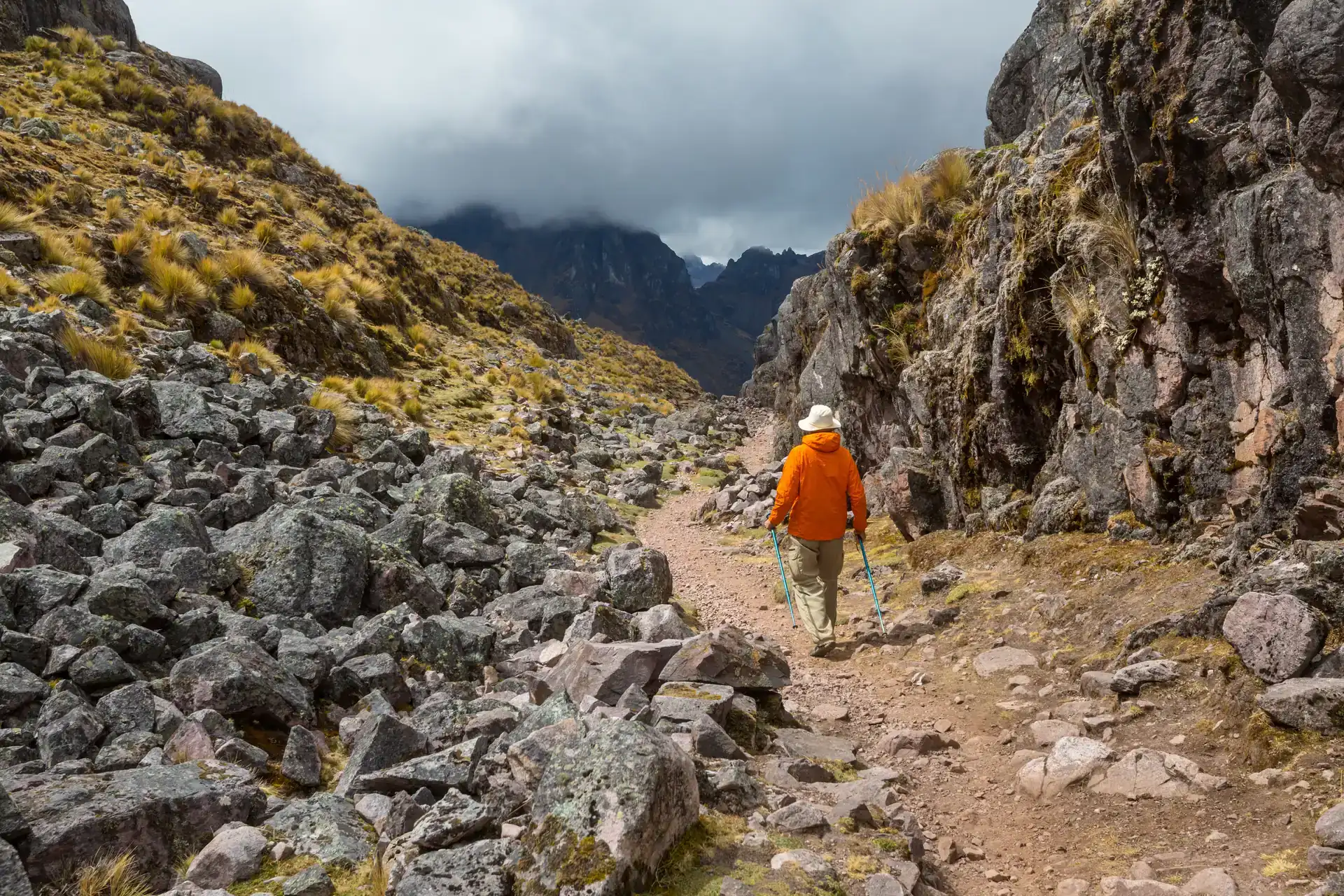
You can visit Cusco all year round, but the experience changes a lot with the season: clear skies and freezing nights in the dry season, green landscapes and afternoon rain in the wet season. Here we explain what to expect month by month, which festivals may coincide with your trip and what to pack. Mountain weather is variable, and every figure in this guide is approximate.
Start here: Cusco tips · things to do in Cusco
Cusco's two seasons
Dry season (approx. May–October)
Sunny days, blue skies and little rain. Nights are cold and frost is possible in June and July. This is high season: especially from June to August there are more travellers, tickets sell out earlier and accommodation is in demand. Inti Raymi (24 June) and the surrounding festivities draw big crowds.
Rainy season (approx. November–March/April)
Rain usually comes as afternoon showers, with mornings often clear. Landscapes are greener and there are fewer tourists. February is usually the wettest month and the Inca Trail closes then for maintenance. Landslide risk rises on roads such as the Hidroeléctrica route, and trains may run a bimodal service (bus + train) at times.
Shoulder months
April–May and September–October are usually a good compromise: fairly stable weather, still-green scenery in April–May and fewer crowds than in peak summer.
Popular activities on GetYourGuide
Month-by-month summary
- January: rainy, green, few tourists; bring a rain jacket.
- February: usually the wettest month; Inca Trail closed; Carnival.
- March: rain still frequent, easing towards the end.
- April: transition, green scenery and fewer people; sometimes Holy Week.
- May: start of the dry season, a very good month overall.
- June: dry with cold nights; Cusco festivities and Inti Raymi; busy.
- July: peak season, freezing nights, sunny days.
- August: dry and crowded; can be windy.
- September: good weather and slightly fewer people.
- October: usually still pleasant; first rains appear.
- November: regular afternoon rain begins.
- December: rainy, festive and busier around Christmas.
Book according to season
If you travel June to August, book Machu Picchu tickets, trains and the Inca Trail well in advance. Always check availability on official sources.
Main festivals
- Carnival (February or March): water fights and parades.
- Holy Week: on Holy Monday the Lord of the Earthquakes, Cusco's patron, is carried in procession.
- Qoyllur Rit'i: a high-altitude Andean pilgrimage in the weeks before Corpus Christi.
- Corpus Christi (May or June, moveable): procession of saints around the Plaza de Armas.
- Inti Raymi (24 June): re-enactment of the Inca Festival of the Sun at Sacsayhuamán.
- Virgen del Carmen in Paucartambo (mid-July): spectacular dances and masks.
Dates move
Many festivals have moveable dates. Check the calendar for your travel year before booking.
Temperatures (approximate)
In Cusco days are usually mild and sunny and nights cold, with big day–night swings: roughly highs around 18–21 °C and lows that can approach or drop below 0 °C in the dry season. Machu Picchu and Aguas Calientes are lower, warmer and more humid. Rainbow Mountain and Humantay Lake can be freezing, especially at dawn.
- Altitude sickness in Cusco: how to prevent it and what to do
- How to get to Machu Picchu: train, Inca Trail or Hidroeléctrica
What to pack: checklist
Documents
- Passport: required for Machu Picchu tickets and trains.
- Travel insurance that covers high-altitude activities.
- Digital and paper copies of documents and bookings.
Clothing
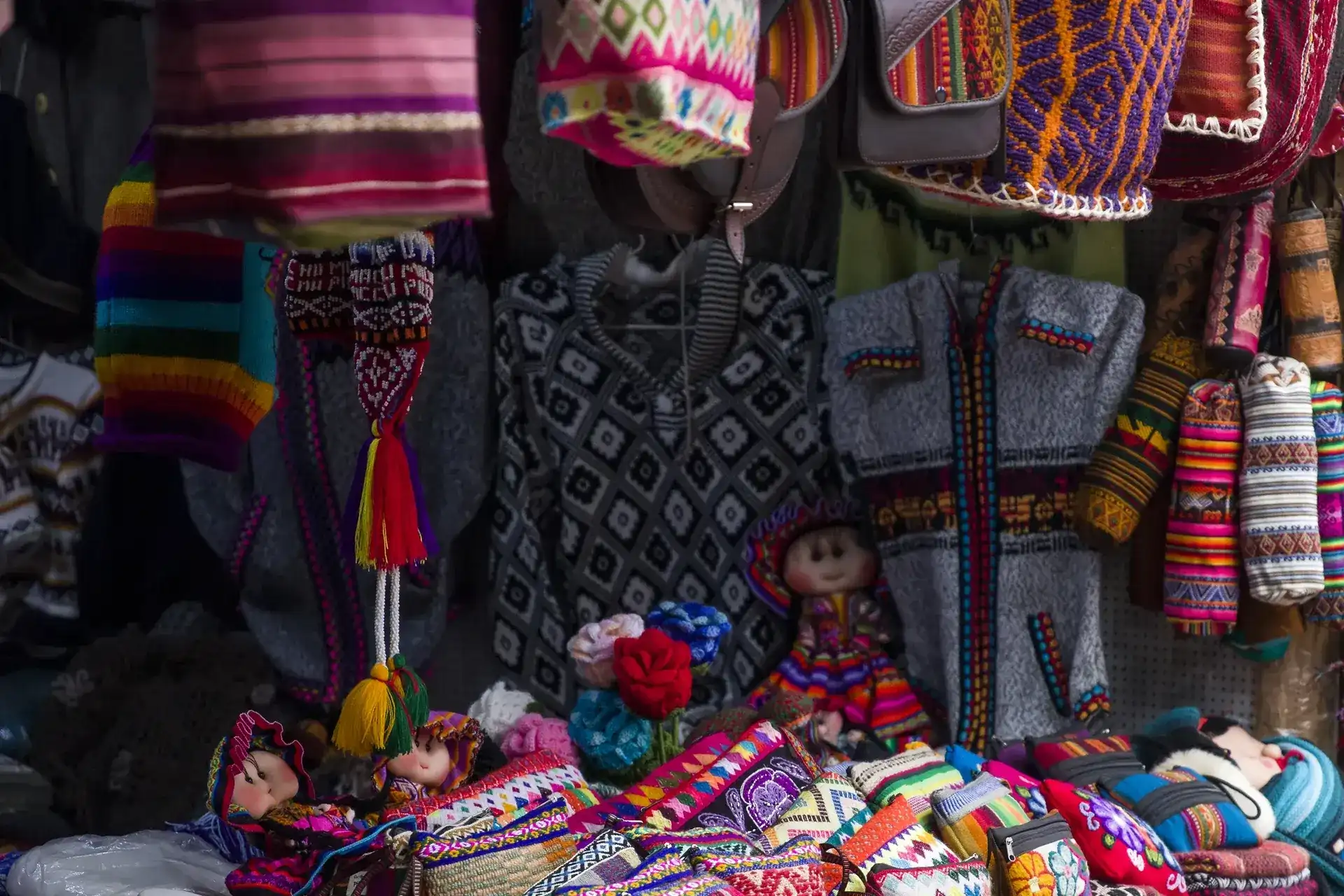
- Layers: thermal tops, fleece and a light down jacket.
- Waterproof rain jacket or poncho (essential in the rainy season).
- Beanie, gloves and a sun hat.
- Comfortable, broken-in hiking shoes (don't debut new boots on the trip).
- Swimsuit if you plan to visit hot springs.
Health
- High-SPF sunscreen, lip balm and sunglasses — UV is strong at altitude.
- Insect repellent for Machu Picchu and Aguas Calientes.
- Your personal medication and advice from your doctor about altitude before you travel.
- Basic first-aid kit and hand sanitiser.
Gear
- Small daypack within Machu Picchu's size rules.
- Refillable or filter water bottle.
- Headlamp for pre-dawn starts.
- Power bank.
- Universal adapter: Peru uses 220 V; the most common plugs are types A and C.
Money
- Cash in soles in small notes for markets, toilets and community fees.
- A main card plus a backup kept separately.
Machu Picchu rules
Machu Picchu may restrict large backpacks, tripods, unprotected trekking poles and other items. Check the current rules on the official website before you go.
Plan your trip
Whatever the season, allow a day or two to acclimatise in Cusco with easy city visits.
Before you go
eSIM for Peru
Land connected: install an Airalo data eSIM before you travel and switch it on when you land. Check first that your phone supports eSIM and is unlocked.
Get online in Peru →
Airport transfer
Book a private Welcome Pickups transfer from Cusco airport to your hotel before you land, with your driver waiting in arrivals. Check the price and cancellation terms when booking.
Book your airport transfer →Book this plan
- Cusco city tourCompareSee dates →
- Sacred Valley tourCompareSee dates →
- Machu Picchu day trip from CuscoCompareSee dates →
Notice: This guide shares advice and recommendations based on research and local experience. Prices, opening hours and rules may change: always check with official sources and operators. Cusco Tips is not responsible for third-party services, bookings or decisions made using these guides; some links are affiliate links (see our affiliate policy).
Related guides
Things to do in Cusco: 30 essentials in the city and beyond
Things to do in Cusco: the city's essentials, Machu Picchu, the Sacred Valley, day trips, treks, food, markets and festivals, with 1- to 3-day plans.
Read guide →
Altitude sickness in Cusco: how to prevent it and what to do
Cusco sits at about 3,400 m. Altitude sickness symptoms, warning signs, how to acclimatize, coca tea, medication and when to do the highest day trips.
Read guide →
How to get to Machu Picchu: train, Inca Trail or Hidroeléctrica
Every way to reach Machu Picchu from Cusco: PeruRail and Inca Rail trains, the Inca Trail, the Hidroeléctrica route, buses to the citadel and tickets.
Read guide →
How many days in Cusco + 3, 5 and 7-day itineraries
How many days do you need in Cusco? Short answer, key factors (altitude, Machu Picchu, treks) and day-by-day 3, 5 and 7-day itineraries.
Read guide →