
Salkantay Trek to Machu Picchu: route, difficulty, best season and how to plan it
Updated:
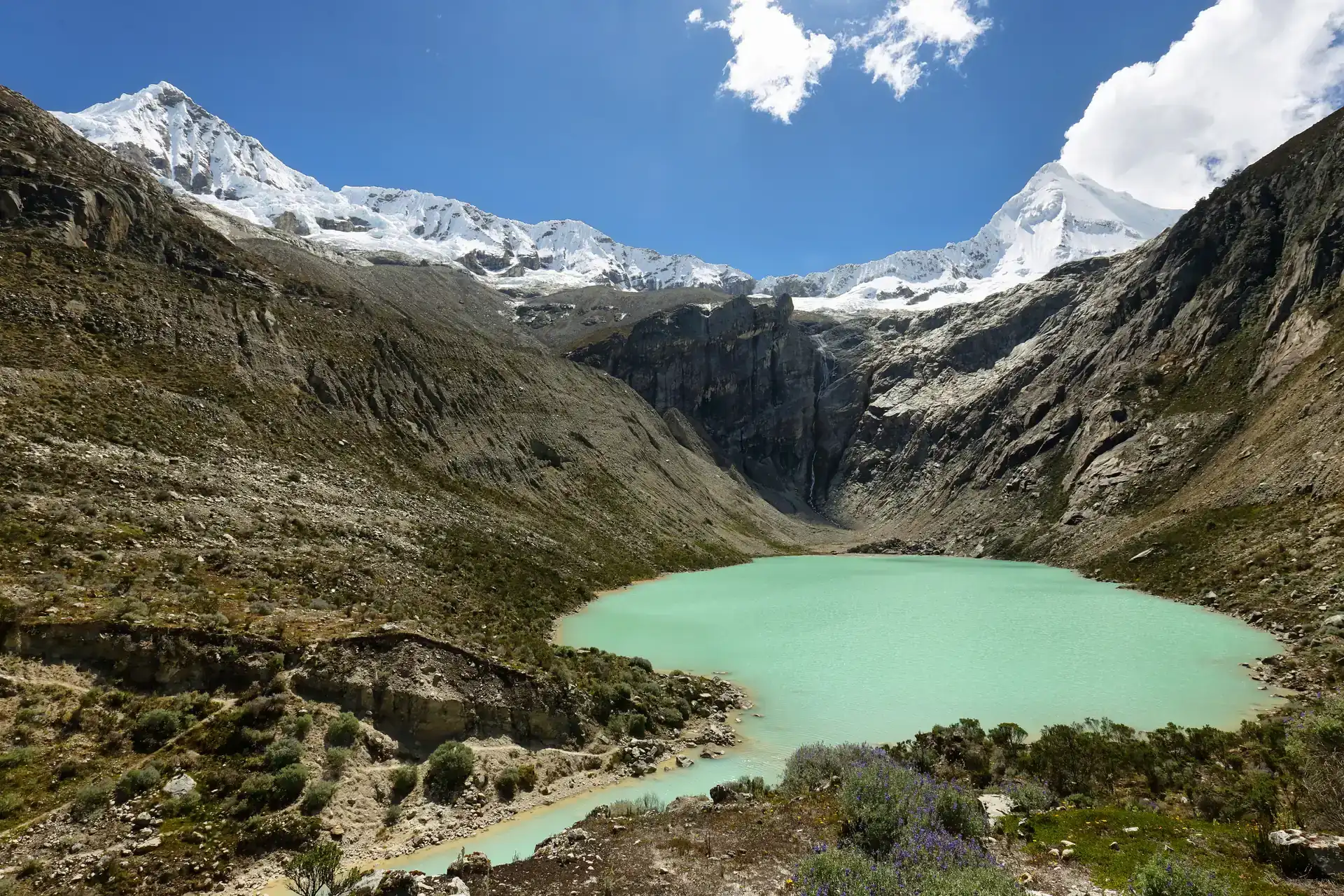
The Salkantay Trek is the big alternative to the Inca Trail: a 4–5 day hike that passes beneath snow-capped Salkantay (about 6,270 m), crosses a pass of around 4,600 m and drops into the cloud forest before reaching Aguas Calientes and Machu Picchu. It doesn't need an Inca Trail permit, so it can be booked at short notice, and its scenery — glaciers, turquoise lakes and cloud forest — is spectacular. In exchange, it's longer and higher than the Inca Trail with fewer archaeological sites.
Start here: Cusco tips · things to do in Cusco
The typical 4–5 day route
There are variations, but most itineraries follow this pattern (about 70 km in total):
- Day 1: early transfer from Cusco to Mollepata and Soraypampa (about 3,900 m). In the afternoon, a hike up to Humantay Lake to acclimatise. Night in camp or a lodge.
- Day 2: the key day. Climb to Salkantay Pass (around 4,600 m) beside the glacier, then a long descent towards Huayracmachay and Chaullay. The hardest day: 7–9 hours of walking.
- Day 3: descend the valley to Colpapampa and La Playa, entering the cloud forest with coffee farms, fruit trees and waterfalls. Some agencies offer the Cocalmayo hot springs.
- Day 4: climb to Llactapata, an Inca site with distant views of Machu Picchu, then down to Hidroeléctrica; then a 2–3 hour walk along the tracks to Aguas Calientes (or a short train).
- Day 5: visit Machu Picchu and return to Cusco by train and bus.
- Humantay Lake: how to get there, the hike and tips
- Machu Picchu via Hidroeléctrica and Santa Teresa: the budget route step by step
- Aguas Calientes (Machu Picchu Town): getting there, things to do and where to stay
Popular activities on GetYourGuide
Difficulty
- Demanding: several consecutive days of 6–9 hours' walking, with a big climb on day two.
- Altitude is the main challenge: acclimatise at least 2–3 days in Cusco before starting.
- Temperatures swing widely: below freezing at night in Soraypampa and humid heat in the jungle two days later.
- On many sections, horses or mules are available to carry luggage or for emergencies.
Altitude sickness
If you get severe symptoms (intense headache, vomiting, confusion, breathlessness at rest), tell your guide and descend. Don't push over the pass "at all costs".
Best season
The dry season, May to September, brings clearer skies and firmer trails; it's also busiest. April and October are good compromises. From December to March it rains often, with mud and landslide risk on some sections, and several agencies run fewer departures.
- Best time to visit Cusco and what to pack
- Cusco weather by month: temperatures, rain and what to expect
Agency or independent?
- With an agency: the most common choice. Includes transport, guide, cook, mules, camping or lodges, meals and often Machu Picchu entry and train. Versions vary: classic camping or more comfortable lodges.
- Independently: possible because no Inca Trail permit is needed, but you need mountain experience, navigation, full gear and to plan food and lodging in communities. Trail conditions change; get local information before setting off.
- Either way, local communities may charge access or trail fees; carry some cash.
- Machu Picchu entry isn't automatically included: confirm the agency books it with a date and circuit.
- How to choose a tour agency in Cusco: a checklist to get it right
- Machu Picchu tickets: how to buy them on the official site and not miss out
What to pack
- Broken-in boots and trekking poles.
- A layering system: base layer, fleece, light down jacket and waterproof shell.
- Light clothes and insect repellent for the jungle.
- A sleeping bag for sub-zero nights if camping (rentable in Cusco).
- Sunscreen, sunglasses, hat, gloves, head torch, water purification tablets or filter, and cash.
Salkantay vs Inca Trail
- Permit: Salkantay needs none; the Inca Trail does, with limited spaces.
- Scenery: Salkantay is about mountains and glaciers; the Inca Trail about archaeological sites and the Sun Gate arrival.
- Highest point: Salkantay around 4,600 m; the Inca Trail about 4,215 m.
- Price: Salkantay is usually cheaper.
- Inca Trail to Machu Picchu: permits, when to book, the 4-day route and the short version
- Inca Jungle Trek: biking, rafting, ziplining and hiking to Machu Picchu
- Lares Trek to Machu Picchu: route, difficulty, communities and comparison
Frequently asked questions
- Do I need a permit for the Salkantay Trek?
- It doesn't need the Inca Trail permit, but you need a separately booked Machu Picchu ticket; community fees may apply.
- What's the highest point?
- Salkantay Pass, at about 4,600 m above sea level.
- How many days does it take?
- Usually 4 or 5 days, including the Machu Picchu visit.
Book this plan
- Salkantay trekCompareSee dates →
- Inca Trail to Machu PicchuCompareSee dates →
Notice: This guide shares advice and recommendations based on research and local experience. Prices, opening hours and rules may change: always check with official sources and operators. Cusco Tips is not responsible for third-party services, bookings or decisions made using these guides; some links are affiliate links (see our affiliate policy).
Related guides
Things to do in Cusco: 30 essentials in the city and beyond
Things to do in Cusco: the city's essentials, Machu Picchu, the Sacred Valley, day trips, treks, food, markets and festivals, with 1- to 3-day plans.
Read guide →
Inca Trail to Machu Picchu: permits, when to book, the 4-day route and the short version
How to get Inca Trail permits: limited spaces, licensed operators only, when to book, the February closure, the classic 4-day route, the 2-day version and what to pack.
Read guide →
Inca Jungle Trek: biking, rafting, ziplining and hiking to Machu Picchu
Inca Jungle guide: 3–4 day route with a bike descent from Abra Málaga, optional rafting and zipline, a hike to Santa Teresa, hot springs and arrival in Aguas Calientes.
Read guide →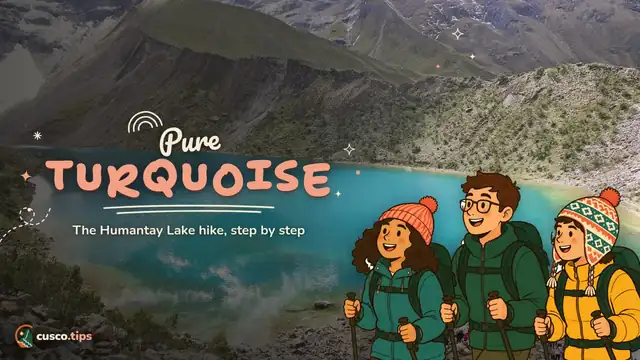
Humantay Lake: how to get there, the hike and tips
Practical guide to Humantay Lake (~4,200 m): tours from Cusco, going independently via Mollepata and Soraypampa, the hike, altitude, best season and packing.
Read guide →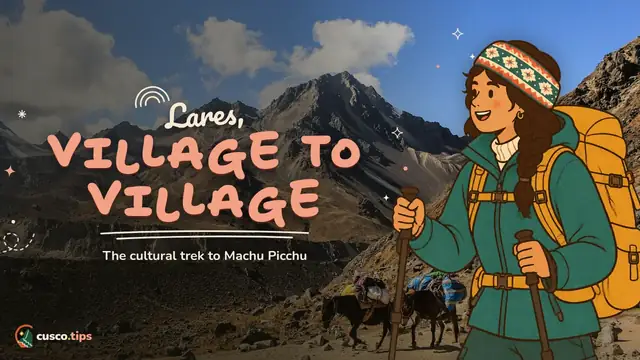
Lares Trek to Machu Picchu: route, difficulty, communities and comparison
Lares trek guide: a 3–4 day route through weaving communities, hot springs, altitude and difficulty, best season, how it links to Machu Picchu and how it compares with Salkantay and the Inca Trail.
Read guide →