
Lares Trek to Machu Picchu: route, difficulty, communities and comparison
Updated:
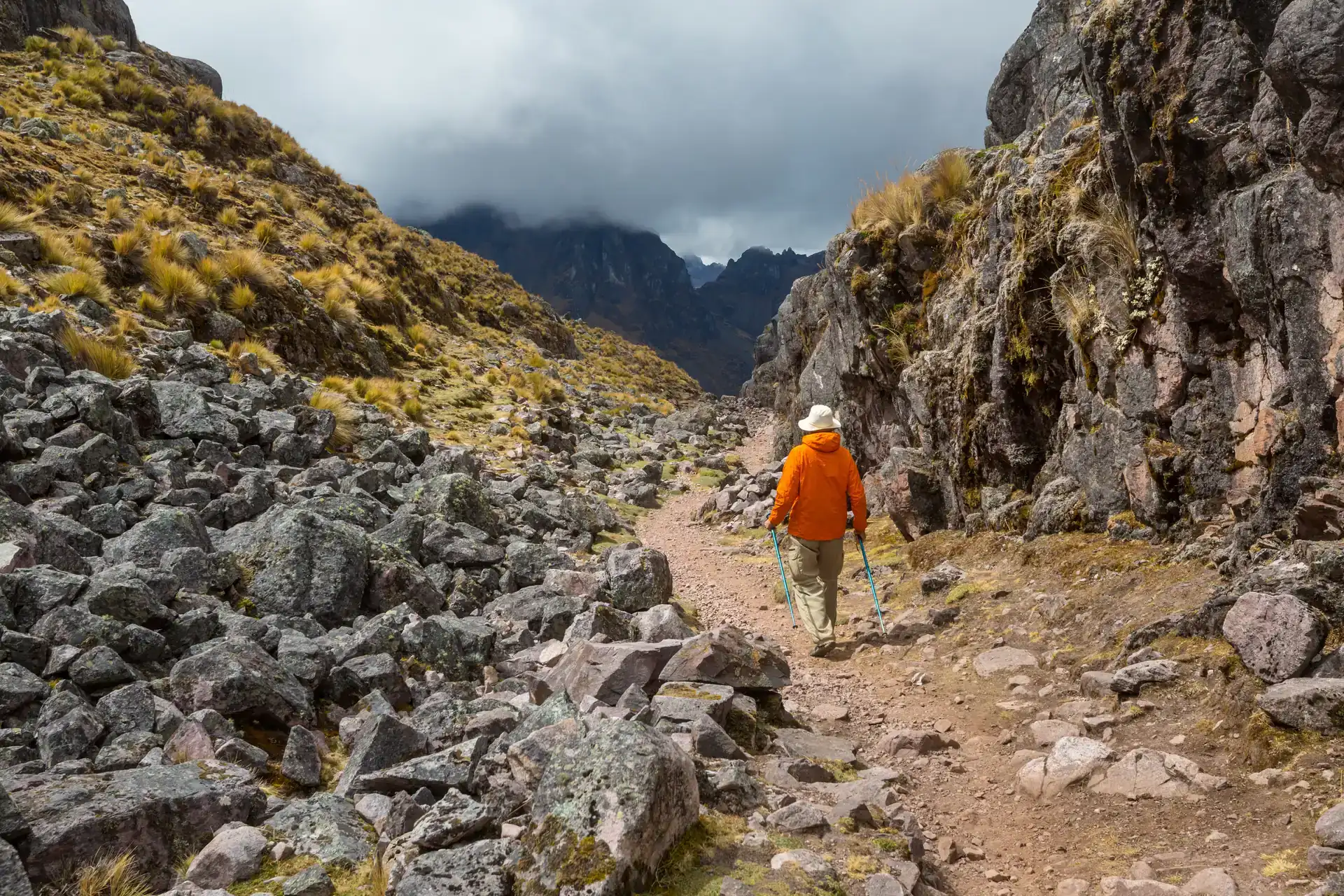
The Lares trek is the cultural alternative to the Inca Trail. Instead of following a historic path lined with Inca ruins, it crosses high-mountain valleys home to Quechua communities that still live from herding llamas and alpacas, growing native potatoes and weaving vividly coloured textiles. It doesn't need permits months in advance, sees far fewer hikers and connects to Machu Picchu via Ollantaytambo and the train.
Start here: Cusco tips · things to do in Cusco
The route
There isn't a single Lares trek but several routes in the area, and each agency combines different sections. A typical 4-day itinerary:
- Day 1: drive from Cusco through the Sacred Valley to the Lares area, soak in the village hot springs and a short first hike or a night near a community.
- Day 2: the hardest day, crossing the route's highest pass, roughly 4,400–4,700 m depending on the variant, beside glacial lakes with views of snow peaks.
- Day 3: descend through valleys with communities and terraces to the Patacancha or Ollantaytambo area; train to Aguas Calientes.
- Day 4: guided visit to Machu Picchu and return to Cusco by train and bus.
There are also 3-day versions and some that include a night in Aguas Calientes.
- Ollantaytambo: ruins, a living Inca town, the Machu Picchu train and tips
- Aguas Calientes (Machu Picchu Town): getting there, things to do and where to stay
- How to get to Machu Picchu: train, Inca Trail or Hidroeléctrica
Popular activities on GetYourGuide
Difficulty and altitude
- Moderate difficulty: stages aren't extremely long, but there are sustained climbs above 4,000 m.
- Camps are at high altitude, with very cold nights in the dry season.
- Suitable for fit, well-acclimatised hikers. Spend at least two or three days in Cusco or the Sacred Valley first.
Acclimatisation
The highest pass is around 4,500 m. If you get strong altitude symptoms, tell your guide and descend if needed.
Communities and weaving
What makes Lares special is contact with rural Andean life. You'll pass communities where women weave using traditional techniques, children herd the flocks and families welcome visitors into their homes. Many agencies work with these communities and include weaving demonstrations or shared activities. Ask how much of the price reaches families and carry cash if you'd like to buy textiles directly from the weavers.
Small gestures
Greet everyone, ask before taking photos and avoid handing out sweets to children; if you want to help, ask the agency what schools or communities actually need.
- Basic Quechua phrases for your trip to Cusco (with pronunciation)
- Andean textiles in Cusco: weaving workshops, weaving communities and buying well
Lares vs other treks to Machu Picchu
- Vs the Inca Trail: the Inca Trail has ruins along the way and arrives on foot through the Sun Gate, but needs permits that sell out months ahead. Lares needs no permits, is more cultural and less crowded.
- Vs Salkantay: Salkantay has a higher pass (about 4,600 m) and more dramatic glacier-to-jungle scenery. Lares is a little shorter and focused on communities.
- Vs Inca Jungle: Inca Jungle is sportier, with biking, rafting and ziplines. Lares is quieter and more authentic.
- Inca Trail to Machu Picchu: permits, when to book, the 4-day route and the short version
- Salkantay Trek to Machu Picchu: route, difficulty, best season and how to plan it
- Inca Jungle Trek: biking, rafting, ziplining and hiking to Machu Picchu
Best season
As across the region, the dry season (roughly May to September) is most popular, with clear skies and freezing nights. April, October and November can be good with fewer people. In the rainy season (roughly December to March) trails get muddy and views cloud over. Unlike the Inca Trail, Lares doesn't close in February.
- Best time to visit Cusco and what to pack
- Cusco weather by month: temperatures, rain and what to expect
Booking and inclusions
Most travellers go with an agency. Packages usually include transport, guide, cook, horsemen and horses, tents, meals, Machu Picchu entrance, train and the bus up. Check in writing what the price covers, whether tents and sleeping bags are included and whether there's an emergency horse. Book ahead in high season, mainly because of Machu Picchu ticket and train availability.
- How to choose a tour agency in Cusco: a checklist to get it right
- Machu Picchu tickets: how to buy them on the official site and not miss out
What to pack
- Layers, a down jacket and a warm hat for the nights.
- Broken-in hiking boots and poles.
- A sleeping bag rated below freezing (or rent one in Cusco).
- Swimsuit and a small towel for the hot springs.
- Sunscreen, sunglasses and insect repellent for the final stretch.
- Cash for tips, toilets and purchases in communities.
Frequently asked questions
- Do I need a permit for the Lares trek?
- You don't need an Inca Trail-style permit, but you do need a Machu Picchu ticket if the trek includes it. Book it early.
- Is Lares easier than Salkantay?
- Generally yes: the highest pass is a bit lower and stages are usually shorter, though it's still a high-altitude trek.
- How many days is the Lares trek?
- Usually 3 to 4 days, including the Machu Picchu day.
- Does the Lares trek reach Machu Picchu on foot?
- No. It ends near Ollantaytambo, where you take the train to Aguas Calientes.
Book this plan
- Lares trekCompareSee dates →
- Salkantay trekCompareSee dates →
Notice: This guide shares advice and recommendations based on research and local experience. Prices, opening hours and rules may change: always check with official sources and operators. Cusco Tips is not responsible for third-party services, bookings or decisions made using these guides; some links are affiliate links (see our affiliate policy).
Related guides
Things to do in Cusco: 30 essentials in the city and beyond
Things to do in Cusco: the city's essentials, Machu Picchu, the Sacred Valley, day trips, treks, food, markets and festivals, with 1- to 3-day plans.
Read guide →
Salkantay Trek to Machu Picchu: route, difficulty, best season and how to plan it
Salkantay Trek guide: 4–5 day route over a pass of about 4,600 m, Humantay Lake, cloud forest, arrival in Aguas Calientes, difficulty, best season and agency vs independent.
Read guide →
Inca Trail to Machu Picchu: permits, when to book, the 4-day route and the short version
How to get Inca Trail permits: limited spaces, licensed operators only, when to book, the February closure, the classic 4-day route, the 2-day version and what to pack.
Read guide →
Inca Jungle Trek: biking, rafting, ziplining and hiking to Machu Picchu
Inca Jungle guide: 3–4 day route with a bike descent from Abra Málaga, optional rafting and zipline, a hike to Santa Teresa, hot springs and arrival in Aguas Calientes.
Read guide →
Ollantaytambo: ruins, a living Inca town, the Machu Picchu train and tips
Guide to Ollantaytambo in the Sacred Valley: what to see at the archaeological site, the town and Pinkuylluna, getting there from Cusco, the train station and whether to stay.
Read guide →