
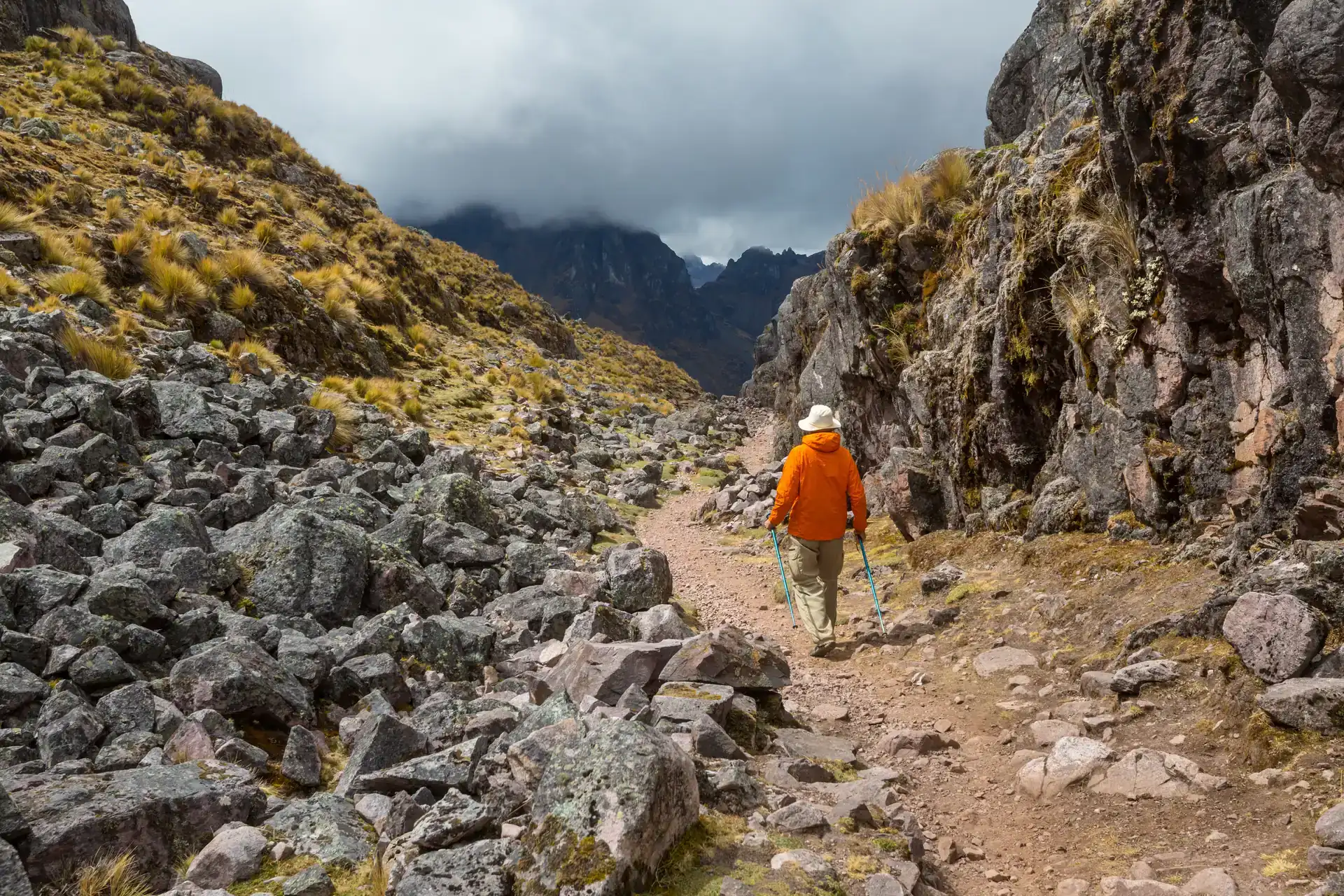
Packing for Cusco puzzles a lot of people: the city sits at about 3,400 metres, the midday sun is fierce, it can freeze at night and, if you go on to Machu Picchu or the high jungle, within a few hours you're in a mild, humid climate. The trick isn't packing a lot but packing well: layers you can put on and take off, serious sun protection, something waterproof and a small backpack that meets Machu Picchu's rules. This list helps you put it together by season and type of trip.
Start here: Cusco tips · things to do in Cusco
Why getting the clothes right is hard
Cusco has two seasons, not four. From May to September (dry season) days are sunny and nights very cold, sometimes below freezing. From November to March (rainy season) it rains often, mostly in the afternoon, and nights are a little less cold. Daytime temperatures change little through the year, usually around 18–21 °C. Add the altitude: solar radiation is intense and the air is dry. Machu Picchu is lower, at about 2,400 metres, and much more humid; in the high jungle around Santa Teresa or Quillabamba it's hot.
- Cusco weather by month: temperatures, rain and what to expect
- Best time to visit Cusco and what to pack
Popular activities on GetYourGuide
The golden rule: dress in layers
Think of three layers you can combine:
- Base layer: breathable T-shirts, ideally quick-dry or merino wool. Avoid cotton for long walks because it dries slowly.
- Mid layer: a fleece or a thin alpaca sweater for mornings and evenings.
- Outer layer: a windproof, waterproof jacket. In the dry season add a light down jacket or padded coat if you'll be up early for high-altitude trips.
In the morning you head out with everything on and peel off layers by midday. It's exactly what the locals do.
Basic clothing list for a week
- 4–5 T-shirts or technical tops, at least one long-sleeved.
- 1 fleece and 1 light down jacket or coat.
- 1 waterproof jacket with a hood (or a plastic poncho as backup).
- 2 pairs of comfortable trousers; one for hiking if you'll be walking.
- Thermal underwear if you travel from June to August or go to Rainbow Mountain, Humantay or on a multi-day trek.
- Thick socks plus one or two spare pairs.
- A wool hat (or buy one there: an alpaca chullo makes a good souvenir), thin gloves and a scarf.
- Warm pyjamas: many budget places have no heating.
Buy what's missing there
In Cusco you'll find alpaca hats, gloves, ponchos and sweaters at good prices, plus outdoor gear shops in the centre. You don't need to carry everything from home.
- Chullos and monteras: a guide to Cusco's Andean hats and where to buy them
- Buying alpaca in Cusco: how to spot the real thing, prices and where to look
Footwear
Ideally bring worn-in hiking shoes or light boots with a good sole: Cusco's streets are cobbled and steep, and Machu Picchu has lots of stone stairs. A second comfortable pair is enough for the city and transfers. If you're doing a multi-day trek, never break in boots on the trail. Sandals or flip-flops are handy for hostel showers and hot springs.
Sun protection: don't underestimate it
At this altitude the sun burns even through clouds. Bring high-factor sunscreen, lip balm with SPF, UV-filter sunglasses and a hat or cap with a brim. On high-altitude trips a buff or neck scarf prevents burns. Reapply sunscreen every few hours, especially at Machu Picchu, Rainbow Mountain and the high lakes.
If you travel in the dry season (May to September)
- Prioritise warmth for nights and early mornings: a down jacket, hat and gloves.
- Bring moisturiser and lip balm: the air is very dry and lips crack.
- A light rain jacket is still useful for Machu Picchu and the high jungle, where it can rain in any month.
- In June, during Inti Raymi and the festivals, it's busier: keep valuables in zipped pockets.
- Inti Raymi in Cusco: date, schedule, tickets and how to experience the Festival of the Sun
- Is Cusco safe? Real risks and practical tips for a worry-free trip
If you travel in the rainy season (November to March)
- A proper waterproof jacket and a plastic poncho for heavy downpours.
- A rain cover for your backpack and dry bags or zip bags for your phone and documents.
- Quick-drying shoes and spare socks.
- A folding umbrella is handy in the city.
- Insect repellent if you're going to Machu Picchu, Santa Teresa or the Amazon.
February
In February the whole Inca Trail network closes for maintenance and reopens on 1 March. Machu Picchu stays open, but pack for heavy rain.
- Rainy season in Cusco and Machu Picchu: what to expect and how to make the most of it
- Inca Trail to Machu Picchu: permits, when to book, the 4-day route and the short version
Your backpack for Machu Picchu
Only small bags or backpacks are allowed at Machu Picchu, with maximum dimensions of roughly 40 x 35 x 20 cm; large ones go in the luggage storage at the entrance. Single-use plastic containers aren't allowed, so bring a reusable bottle. You can't eat inside the sanctuary, there are no toilets inside (they're by the entrance), and umbrellas, selfie sticks, tripods, metal-tipped poles (rubber-tipped ones are allowed for older visitors or those with mobility issues), drones and speakers are banned. So for rain, pack a poncho rather than an umbrella. Pack the small bag the night before with: passport, printed or mobile ticket, water, sunscreen, rain jacket, a warm layer and some cash for the toilets and storage.
- Machu Picchu rules: what to bring, bag size, banned items and guides
- Machu Picchu tickets: how to buy them on the official site and not miss out
First-aid kit and health at altitude
- Your usual medication, with the prescription, in sufficient quantity.
- Painkillers and ibuprofen for headaches.
- Altitude-sickness medication if your doctor recommends it.
- Rehydration salts and something for upset stomachs.
- Plasters, blister pads and hand sanitiser.
- Purification tablets or a filter bottle: tap water isn't drinkable in Cusco.
See a doctor before you travel, especially if you have heart or breathing problems. Coca tea is offered in almost every hotel and helps many travellers feel better.
- Altitude sickness in Cusco: how to prevent it and what to do
- Health in Cusco: vaccines, yellow fever, water, sun and first-aid kit
- Coca leaf in Cusco: tea, chewing, altitude sickness and whether you can take it home
Documents, money and tech
- A valid passport (or national ID if your country allows it) and a digital copy.
- Travel insurance that covers mountain activities and evacuation.
- Debit and credit cards, plus some cash in soles for markets, taxis and tips.
- A plug adapter: Peru uses 220 V with type A and C sockets.
- A power bank: there's nowhere to charge your phone on treks and long day trips.
- An eSIM or local SIM card so you have data as soon as you land.
- A head torch for early starts, treks and power cuts.
- Money in Cusco: soles, ATMs, exchange offices and cards
- SIM, eSIM and internet in Cusco: how to stay connected in Peru
eSIM for Peru
Land connected: install an Airalo data eSIM before you travel and switch it on when you land. Check first that your phone supports eSIM and is unlocked.
Get online in Peru →If you're doing a multi-day trek
For the Inca Trail, Salkantay, Lares or Choquequirao you need more gear: a sleeping bag rated below freezing, poles, thermal clothing, a comfortable daypack and a duffel for the porter or mule (agencies usually set a weight limit). Much of it can be rented in Cusco at good prices, such as sleeping bags, poles and down jackets. Ask your agency what's included before you buy anything.
- Trekking gear rental and shops in Cusco: what to rent, what to bring and tips
- Inca Trail to Machu Picchu: permits, when to book, the 4-day route and the short version
- Salkantay Trek to Machu Picchu: route, difficulty, best season and how to plan it
What not to pack
- Too much cotton clothing: it's heavy and doesn't dry.
- Only summer clothes: even if it's "South America", Cusco isn't tropical.
- Expensive jewellery or watches you don't want to lose.
- A huge wheeled suitcase: cobbles and stairs make it awkward. A backpack or medium suitcase works better, and luggage is limited on the train to Machu Picchu.
- Drones, unless you have permits: they're banned without authorisation at Machu Picchu and other archaeological sites.
- Trains to Machu Picchu: stations, companies and which class to choose
- Luggage storage in Cusco: hotels, left-luggage, the Machu Picchu train and treks
Travel light: leave luggage behind
If you're going to Machu Picchu or on a trek and coming back to Cusco, leave the big bag at your hotel or a luggage storage and take only a small backpack. Most places to stay store luggage free for guests.
Frequently asked questions
- What should I wear in Cusco in July?
- Warm clothes for the night (it can drop below 0 °C), layers for sunny days, a hat, gloves, sunscreen and a light rain jacket for Machu Picchu.
- What size backpack can I take into Machu Picchu?
- Only small bags or backpacks, about 40 x 35 x 20 cm at most; large ones go in the storage at the entrance.
- Do I need thermal clothing?
- Yes if you travel from June to August, start early for high-altitude trips or do a trek with nights in camp.
- Can I buy warm clothes in Cusco?
- Yes, there are plenty of alpaca hats, gloves, ponchos and sweaters, plus outdoor gear shops in the centre.
Book this plan
- Cusco city tourCompareSee dates →
- Sacred Valley tourCompareSee dates →
- Machu Picchu day trip from CuscoCompareSee dates →
Notice: This guide shares advice and recommendations based on research and local experience. Prices, opening hours and rules may change: always check with official sources and operators. Cusco Tips is not responsible for third-party services, bookings or decisions made using these guides; some links are affiliate links (see our affiliate policy).
Related guides
Cusco weather by month: temperatures, rain and what to expect
What Cusco's weather is like each month: approximate day and night temperatures, rain, crowds and festivals, with tips for Machu Picchu and treks.
Read guide →
Altitude sickness in Cusco: how to prevent it and what to do
Cusco sits at about 3,400 m. Altitude sickness symptoms, warning signs, how to acclimatize, coca tea, medication and when to do the highest day trips.
Read guide →
Machu Picchu rules: what to bring, bag size, banned items and guides
Rules for visiting Machu Picchu: passport and timed ticket, one-way circuits, bag size, banned items, guides, toilets, food, clothing and what to bring.
Read guide →
Trekking gear rental and shops in Cusco: what to rent, what to bring and tips
Trekking gear in Cusco: renting sleeping bags, poles and jackets, outdoor shops, what agencies include, what to bring from home, checking gear and a packing list.
Read guide →
Rainy season in Cusco and Machu Picchu: what to expect and how to make the most of it
Visiting Cusco and Machu Picchu in the rainy season (November to March): weather, the February Inca Trail closure, treks, what to pack, upsides and planning tips.
Read guide →