
Buying alpaca in Cusco: how to spot the real thing, prices and where to look
Updated:
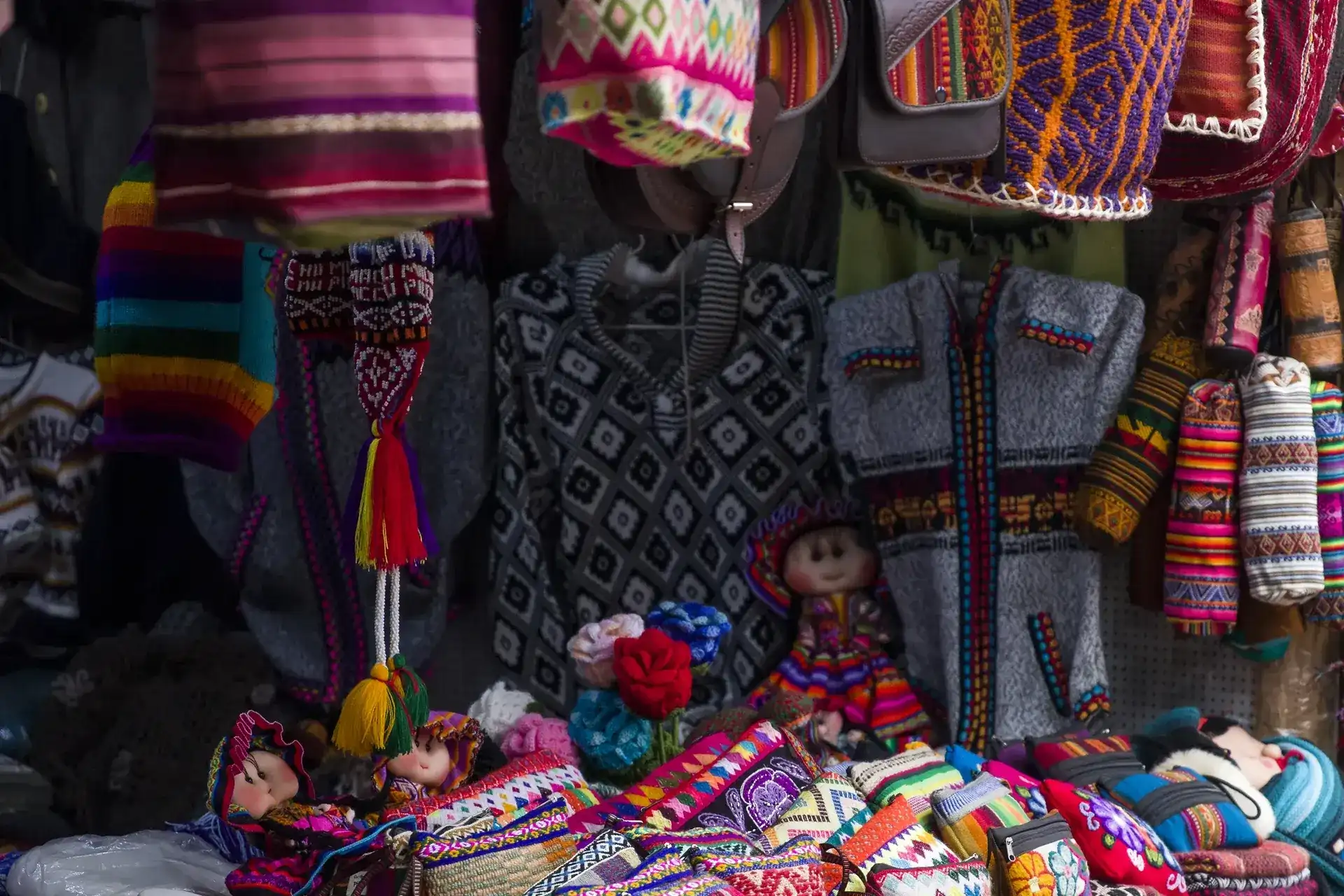
An alpaca sweater, scarf or blanket is probably the most sought-after souvenir in Cusco. The catch: in markets and tourist streets, excellent alpaca garments sit side by side with acrylic or blends sold as "baby alpaca" at prices that seem too good to be true. This guide helps you understand the fibres, recognise the real thing and shop wisely.
Tours to explore Cusco's markets
Start here: Cusco tips · things to do in Cusco
Understanding Andean fibres
- Alpaca: a soft, warm, lightweight fibre from an Andean camelid raised mainly in southern Peru's highlands. It doesn't itch like some wools and is very warm for its weight.
- Baby alpaca: not from babies, but from the finest, softest fibre of the adult animal, usually from certain parts of the body. More expensive.
- Royal alpaca and other premium grades: even finer fibres in high-end garments.
- Llama: a coarser, rougher fibre used for blankets, rugs and rustic clothing.
- Vicuña: the world's finest and most expensive fibre, from a protected wild camelid. Its trade is regulated; be wary of cheap "vicuña".
- Blends: many garments mix alpaca with sheep's wool, cotton or synthetics. Fine if the label says so; the problem is when it's sold as pure alpaca.
How to recognise an alpaca garment
- Feel: genuine alpaca feels cool to the touch, soft and slightly heavy; acrylic usually feels instantly warm, very shiny and "plasticky".
- Stretch: alpaca is less elastic than many synthetics; if it springs back like rubber, be suspicious.
- Shine: a very intense, uniform sheen often signals synthetic fibre.
- Label: look for the exact composition in percentages. "Alpaca style" doesn't mean alpaca.
- Price: if a "baby alpaca" sweater costs about the same as a T-shirt, it almost certainly isn't.
Skip the burn test
It's said natural fibre smells like burnt hair while synthetics melt. True, but don't burn garments in a shop: it's disrespectful and won't be allowed.
Approximate price ranges
Prices depend on the fibre, knitting (hand or machine), design and shop. As a guide:
- Simple hats, gloves and scarves: low prices in markets, higher for certified baby alpaca.
- Genuine alpaca sweaters: mid-to-high; baby alpaca from specialist shops, considerably more.
- Handwoven blankets and shawls: depending on size and technique, can be a significant investment.
Haggle respectfully in markets; not in fixed-price shops.
Where to buy
- Specialist shops in the centre: higher prices but clear labels, guarantees and designer pieces.
- Markets and craft fairs: cheaper with bargaining, mixed quality. Good for hats and souvenirs.
- Textile centres and cooperatives in Chinchero and other villages: see spinning and natural dyeing and buy directly from weavers.
- Artisan workshops in San Blas: unique pieces, not just textiles.
- Chinchero: weaving, Inca ruins and market between Cusco and the Sacred Valley
- Andean textiles in Cusco: weaving workshops, weaving communities and buying well
Caring for alpaca
- Hand-wash in cold water with mild or wool-specific soap.
- Don't wring; press with a towel and dry flat in the shade.
- Store folded, not hung, with something against moths.
Buying responsibly
- Favour garments handwoven by cooperatives or communities, where more money reaches the makers.
- Ask about origin and process: weavers are usually happy to explain their techniques.
- Avoid products from protected wild animals or without documentation.
- Check your country's customs rules for skins or animal products.
The official fibre grades
Peru grades alpaca fibre by fineness, measured in microns (thousandths of a millimetre), under Peruvian Technical Standard NTP 231.301. The lower the number, the finer and softer the fibre:
- Alpaca Super Baby, usually sold in shops as "royal alpaca": 20 microns or less.
- Alpaca Baby: 20.1 to 23 microns.
- Alpaca Fleece: 23.1 to 26.5 microns.
- Alpaca Medium Fleece: 26.6 to 29 microns.
- Huarizo and coarse alpaca: over 29 microns, used for blankets, rugs and rustic garments.
Labels do not always state microns, but knowing the scale helps you understand why a baby alpaca shawl costs more than a plain alpaca one, and to be wary of "royal" at market prices.
Vicuña: what you should know
The vicuña is Peru's national animal and appears on its coat of arms. It is a wild, protected camelid: its fibre is obtained at the chaccu, a traditional communal round-up and shearing after which the animals are released. Peru trades it under CITES rules, with the origin mark "VICUÑA PERÚ" (or "VICUÑA PERÚ – ARTESANÍA" on handcrafted pieces), licensed by Peru's forestry and wildlife service SERFOR. Look for the mark on the cloth or on a sewn-in label. A genuine garment is very expensive and sold by few specialist shops; if someone offers you "vicuña" at alpaca prices, it isn't.
What to ask before you buy
- What percentage is alpaca, and what is it blended with?
- Is it hand-knitted or machine-made? Both are fine, but the work and the price are very different.
- Are the dyes natural or synthetic?
- Who made it, and where? Cooperatives and workshops are usually happy to explain in detail.
Textile visits
Several Sacred Valley tours include a stop at a Chinchero textile centre with spinning and natural dye demonstrations.
Frequently asked questions
- What is baby alpaca?
- The finest, softest fibre of the adult alpaca — not from babies. It costs more than standard alpaca.
- How can I tell if a garment is real alpaca?
- Look for a cool, soft feel, little shine, a label with percentages and a sensible price. Be wary of bargains.
- What does "royal alpaca" mean?
- It is the usual trade name for the Super Baby grade: fibre of 20 microns or less under Peruvian technical standard NTP 231.301.
Book this plan
- Cusco city tourCompareSee dates →
- Sacred Valley tourCompareSee dates →
Notice: This guide shares advice and recommendations based on research and local experience. Prices, opening hours and rules may change: always check with official sources and operators. Cusco Tips is not responsible for third-party services, bookings or decisions made using these guides; some links are affiliate links (see our affiliate policy).
Related guides
Things to do in Cusco: 30 essentials in the city and beyond
Things to do in Cusco: the city's essentials, Machu Picchu, the Sacred Valley, day trips, treks, food, markets and festivals, with 1- to 3-day plans.
Read guide →
What to buy in Cusco: authentic souvenirs and what to avoid
The best souvenirs from Cusco: textiles and alpaca, ceramics, retablos, silver, coffee, chocolate, Andean grains and pisco; where to buy, how to bargain and what not to take home.
Read guide →
Andean textiles in Cusco: weaving workshops, weaving communities and buying well
Guide to Andean textiles in Cusco: techniques and natural dyes, the meaning of designs, workshops and classes, visits to weaving communities, yarn for knitters and spotting handmade pieces.
Read guide →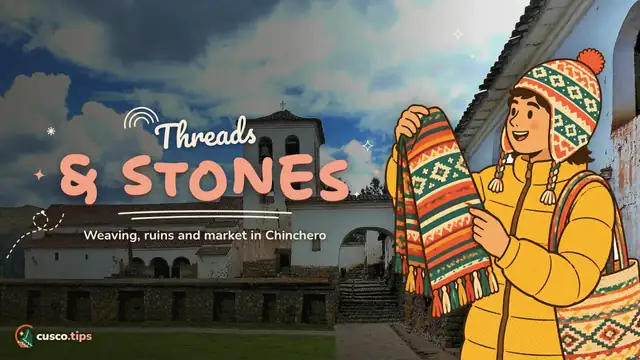
Chinchero: weaving, Inca ruins and market between Cusco and the Sacred Valley
Chinchero guide: weaving centres and natural dyes, the Inca site and colonial church, the Sunday market, the Tourist Ticket, getting there from Cusco and how to combine it.
Read guide →
San Pedro Market in Cusco: what to eat, what to buy, opening hours and tips
Guide to San Pedro Central Market: sections, juices, cheap food, breads, cheeses and Andean produce, approximate hours, safety and how to get there from the Plaza de Armas.
Read guide →