
Inti Raymi in Cusco: date, schedule, tickets and how to experience the Festival of the Sun
Updated:
Inti Raymi, the Festival of the Sun, is Cusco's most famous celebration and one of the best known in South America. It's held every 24 June, near the southern winter solstice, and recreates the great ceremony in which the Incas honoured the Sun at the start of the new agricultural cycle. Hundreds of performers in period costume, with music and dance, move through three venues in the city before thousands of spectators. If your trip coincides, it's a unique experience — but it needs planning.
Start here: Cusco tips · things to do in Cusco
History and meaning
In Inca times, Inti Raymi was the main festival of the calendar, dedicated to Inti, the Sun god, and presided over by the Inca. After the conquest it was banned by colonial authorities. In 1944 it was revived as a theatrical re-enactment based on chroniclers such as Inca Garcilaso de la Vega, and it has been staged every year since, scripted in Quechua. Today it's at once a spectacle, a source of Cusco pride and a celebration of Andean identity.
Popular activities on GetYourGuide
Date and programme
The date is fixed: 24 June every year, which is also Cusco Day. The performance has three scenes:
- Qorikancha (morning): the Inca invokes the Sun from the old Temple of the Sun.
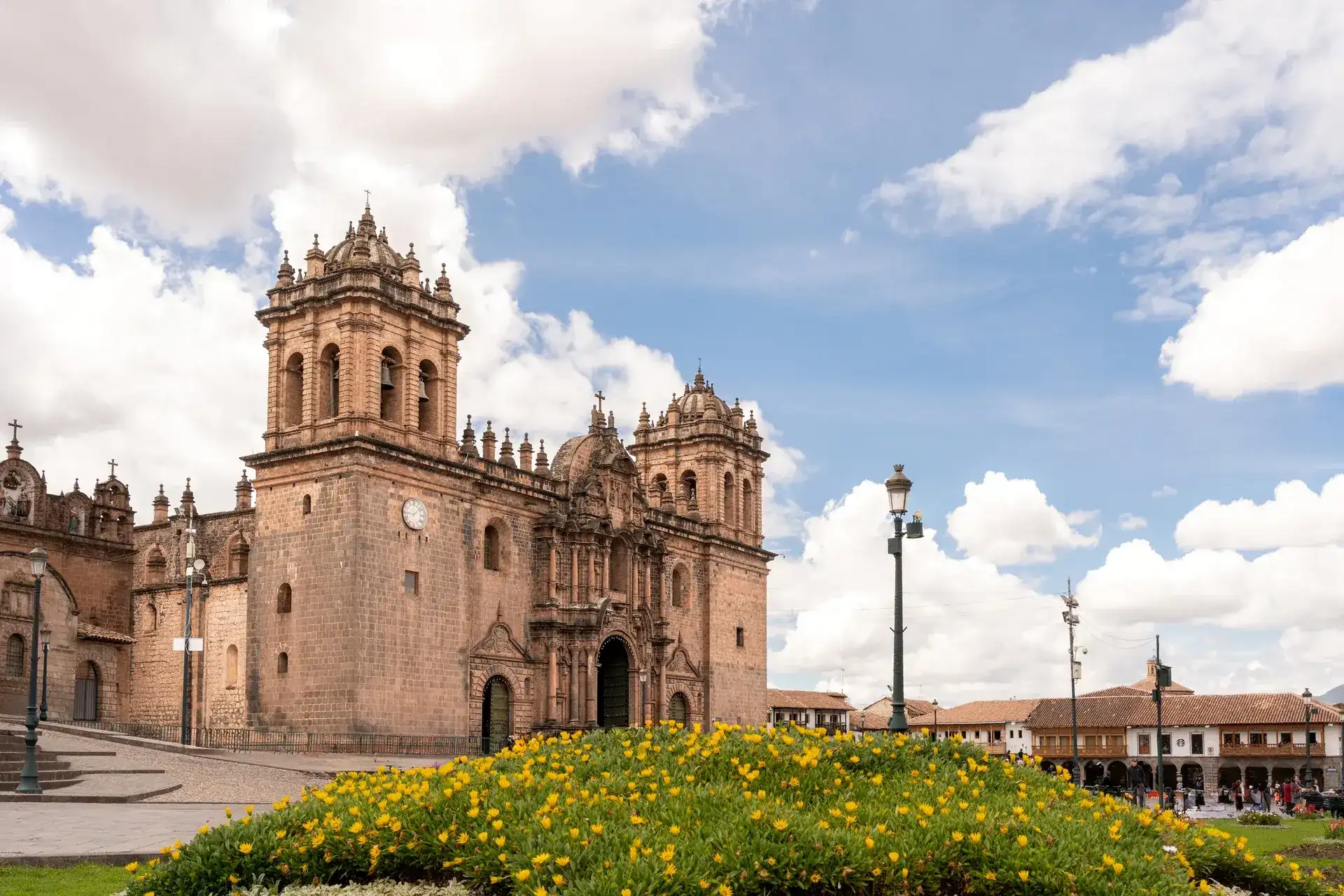
- Plaza de Armas (mid-morning): the procession reaches the square, the old Huacaypata, where the Inca meets the authorities.
- Sacsayhuamán (from midday into the afternoon): the main scene, with the great ceremony, offerings and dances on the esplanade.
Exact times are published by the organisers each year; check the official programme.
- Qorikancha, the Temple of the Sun: tickets, hours, what to see and history
- Sacsayhuamán: how to visit, tickets, history and tips
Paid stands or free viewing
- Stands at Sacsayhuamán: numbered paid seats with a good view of the esplanade. They're expensive and sell well in advance through the organisers' official channels and authorised agencies.
- Watching for free: many people, especially locals, follow the ceremony from the hills around the esplanade. Arrive very early to find a spot; the view is more distant.
- Qorikancha and Plaza de Armas: can be watched without a ticket, standing in a huge crowd. Claim a spot early.
Beware of resellers
Buy stand tickets only through official channels or trusted agencies. Resales and fake tickets circulate.
All of June is a festival
Inti Raymi is the climax of a whole month of celebrations in Cusco: parades by schools and institutions, folk dances in the Plaza de Armas, fairs and, depending on each year's calendar, Corpus Christi and the Qoyllur Rit'i pilgrimage. If you can't get tickets for the 24th, being in Cusco any day in the second half of June is still worthwhile.
- Corpus Christi in Cusco: dates, the saints' procession, chiriuchu and tips
- Cusco festivals: a month-by-month calendar
Book well ahead
- Accommodation: hotels fill up and raise prices around 24 June. Book months ahead.
- Machu Picchu and trains: June is high season; buy tickets and trains as early as possible.
- Flights: prices rise around these dates too.
Tips for the day
- Bring sunscreen, a hat, water and snacks: it's many hours in the high-altitude sun.
- Mornings are very cold; dress in layers.
- Watch your belongings: crowds attract pickpockets.
- Walk up to Sacsayhuamán early; traffic is closed off.
- If you've only just arrived, take it easy: climbing the hills is tiring.
- Is Cusco safe? Real risks and practical tips for a worry-free trip
- Altitude sickness in Cusco: how to prevent it and what to do
What happens at Sacsayhuamán
The main scene lasts about two and a half hours and brings together several hundred actors, musicians and dancers. It helps to know what you are watching:
- The arrival of the Inca and the Coya: the ruler enters on a litter with his entourage and takes his place on the ushnu, the ceremonial platform at the centre of the esplanade.
- The reports of the four suyus: representatives of the four regions of Tawantinsuyu appear before the Inca, a symbol of the empire's unity.
- The chicha rite: the Inca raises a kero, a ceremonial cup, filled with chicha de jora and offers the drink to the Sun.
- The sacred fire: the high priest, the Willaq Umu, concentrates the sunlight to light the new fire.
- The llama offering: this is staged; the priest mimes opening the chest of a black llama to "read" the empire's future. No animal is sacrificed.
- The sankhu: a ceremonial maize bread shared as a blessing, before the closing dances.
The script is spoken in Quechua; it pays to go with a guide or read up beforehand on what happens when.
A short glossary
- Inti: the Sun, the main deity of the Inca state.
- Tawantinsuyu: the empire's name, "the four united regions": Chinchaysuyu, Antisuyu, Collasuyu and Contisuyu.
- Huacaypata: the great Inca square that is today's Plaza de Armas.
Who organises it and how the stands work
The festival is organised by the Cusco Municipal Festivities Company (EMUFEC). Official tickets exist only for the Sacsayhuamán scene and are sold through Teleticket and authorised agencies. There are three stands with about 3,500 seats in total: orange, central and facing the stage; red, on the west side; and green, on the east side, near the actors' entrance. In 2026 all of them sold out before 24 June. Prices change every year, so check the official channels.
Packages with stand seats
Some agencies sell Inti Raymi packages including a stand seat, transfer and guide. Check exactly which stand is included and the cancellation terms.
Frequently asked questions
- When is Inti Raymi?
- Every year on 24 June, with scenes at Qorikancha, the Plaza de Armas and Sacsayhuamán.
- Can you watch Inti Raymi for free?
- Yes: the Qorikancha and Plaza de Armas scenes are open, and at Sacsayhuamán many people watch from the hills. Seated stands are paid.
- Is a llama really sacrificed at Inti Raymi?
- No. The llama offering is a theatrical re-enactment; no animal dies during the ceremony.
Book this plan
- Inti Raymi tours and accessCompareSee dates →
- Cusco city tourCompareSee dates →
Notice: This guide shares advice and recommendations based on research and local experience. Prices, opening hours and rules may change: always check with official sources and operators. Cusco Tips is not responsible for third-party services, bookings or decisions made using these guides; some links are affiliate links (see our affiliate policy).
Related guides
Things to do in Cusco: 30 essentials in the city and beyond
Things to do in Cusco: the city's essentials, Machu Picchu, the Sacred Valley, day trips, treks, food, markets and festivals, with 1- to 3-day plans.
Read guide →
Cusco festivals: a month-by-month calendar
Calendar of the main festivals in and around Cusco: Carnival, Holy Week, Qoyllur Rit'i, Corpus Christi, Inti Raymi, Virgen del Carmen, Pachamama, Santurantikuy and more.
Read guide →
Sacsayhuamán: how to visit, tickets, history and tips
Guide to Sacsayhuamán, the great Inca complex above Cusco: walking up or by taxi, which ticket you need, hours, what to see (walls, Rodadero, tunnels) and its history.
Read guide →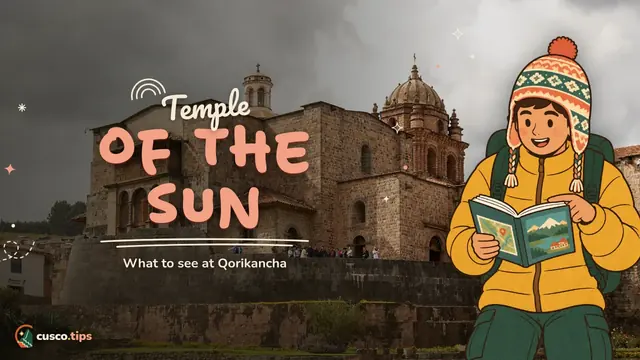
Qorikancha, the Temple of the Sun: tickets, hours, what to see and history
Visiting Qorikancha and Santo Domingo convent in Cusco: the finest Inca stonework, which ticket you pay, approximate hours, the site museum and tips.
Read guide →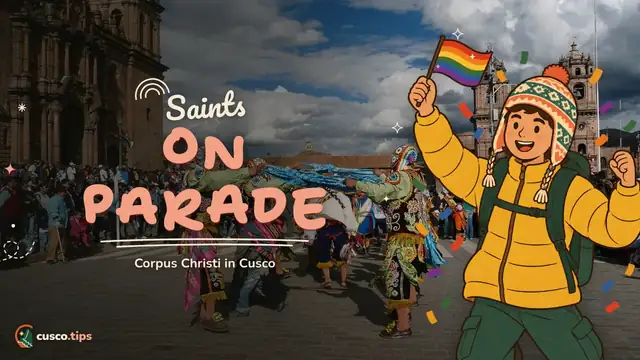
Corpus Christi in Cusco: dates, the saints' procession, chiriuchu and tips
Corpus Christi in Cusco guide: when it is, the saints arriving at the Cathedral, the procession on the Plaza de Armas, chiriuchu, the octave and tips for enjoying the festival.
Read guide →