
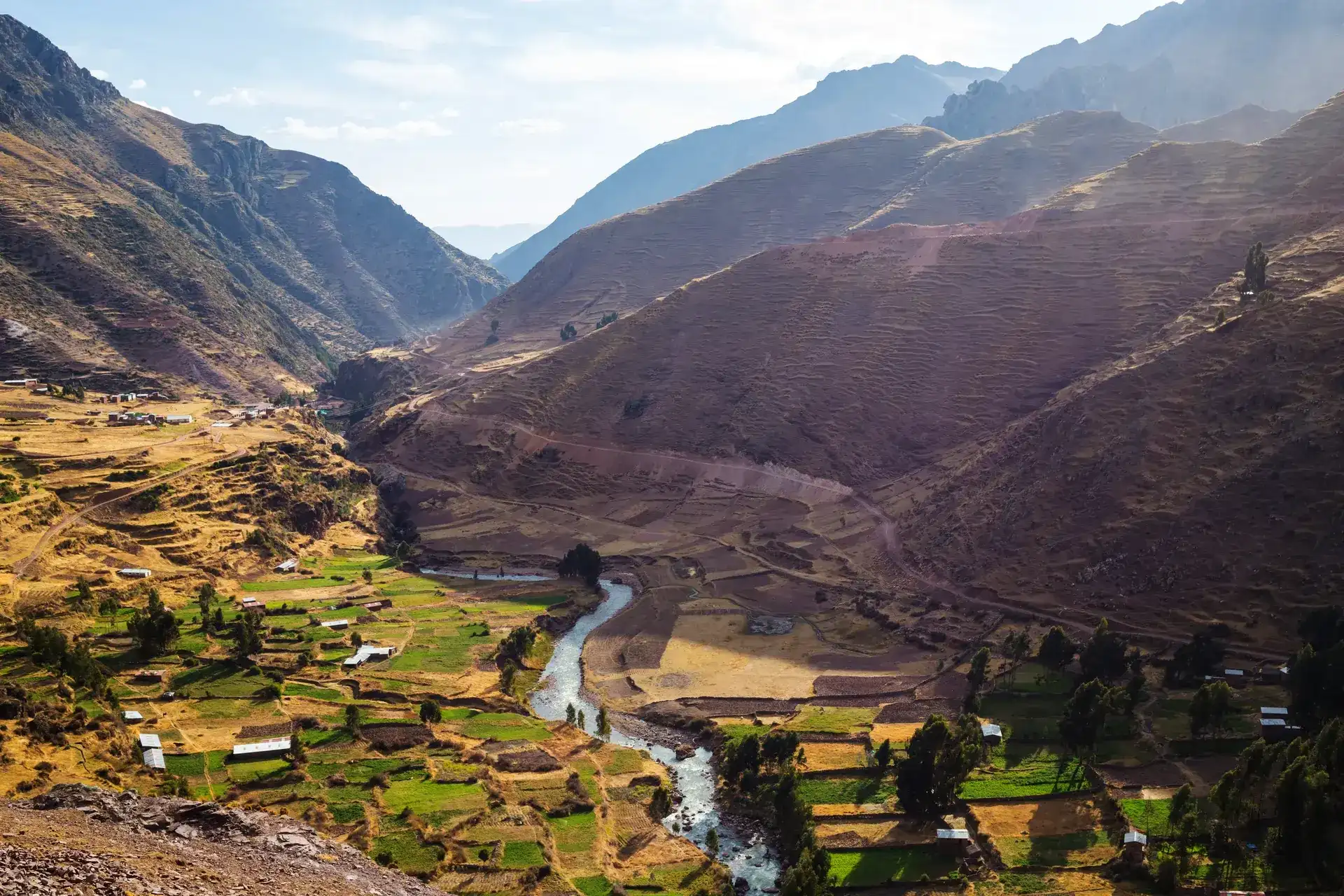
After a multi-day trek or a pre-dawn start at Rainbow Mountain, few things feel as good as sinking into hot water. The Cusco region is dotted with volcanic and geothermal hot springs, from pools beside high-jungle rivers to soaking spots below glaciers above 4,000 m. Many are run by local communities and sit on the most popular trekking routes. This guide covers the best-known ones and how to fit them into your trip.
Start here: Cusco tips · things to do in Cusco
Cocalmayo (Santa Teresa)
The region's most famous hot springs, a few kilometres from Santa Teresa beside the Vilcanota River, surrounded by forested mountains. There are several large pools at different temperatures, in high-jungle surroundings much warmer than Cusco.
- Getting there: they're on the Hidroeléctrica route to Machu Picchu and the Salkantay and Inca Jungle treks, which often include an afternoon stop. From Santa Teresa, take a taxi or walk.
- When to go: late afternoon and evening, when the water contrasts with the cooler air; they usually stay open into the night.
- Heads-up: there are lots of small biting insects here. Bring repellent.
- Machu Picchu via Hidroeléctrica and Santa Teresa: the budget route step by step
- Salkantay Trek to Machu Picchu: route, difficulty, best season and how to plan it
- Inca Jungle Trek: biking, rafting, ziplining and hiking to Machu Picchu
Popular activities on GetYourGuide
Aguas Calientes thermal baths
The gateway town to Machu Picchu is named after the hot springs at the top of town, about 10 minutes' walk from the plaza. They're simple pools, more warm than hot, and busy in the afternoon. A good way to relax after Machu Picchu or before the train back, but don't expect a spa: facilities are basic.
- Aguas Calientes (Machu Picchu Town): getting there, things to do and where to stay
- How to get to Machu Picchu: train, Inca Trail or Hidroeléctrica
Lares
The village of Lares, north of the Sacred Valley, has hot springs with several pools at different temperatures, surrounded by mountains. They're the usual start or end of the Lares trek and can also be a day trip from the Sacred Valley or Cusco, combined with weaving communities. The mountain road is long and winding.
- Lares Trek to Machu Picchu: route, difficulty, communities and comparison
- Sacred Valley of the Incas: what to see and how to visit
Pacchanta (Ausangate)
In the community of Pacchanta, at the foot of Ausangate, small community-run hot pools have spectacular glacier views. They're the finish of the Seven Lakes hike and a stop on the Ausangate circuit. Above 4,000 m, the contrast between hot water and icy air is unforgettable.
- Ausangate Seven Lakes: a one-day hike from Cusco
- Ausangate trek: the great circuit of the sacred peak (route, altitude and preparation)
Other hot springs
There are other smaller, less-visited springs in the region, some in Vilcanota valley villages and others on lesser-known trekking routes. Ask your agency or the tourist information office, as their condition and hours change.
Which to choose?
- Going to Machu Picchu via Hidroeléctrica or doing Salkantay or Inca Jungle: Cocalmayo, the most complete.
- Staying in Aguas Calientes: the town baths, for convenience.
- Doing the Lares trek or wanting a trip with communities: Lares.
- After high-mountain scenery: Pacchanta, with the Seven Lakes hike.
Health precautions
- At altitude, hot water can cause dizziness or a drop in blood pressure. Get in gradually and get out if you feel unwell.
- Don't combine hot springs with alcohol, especially in your first days in Cusco.
- Drink water before and after soaking.
- If you're pregnant or have heart or blood-pressure issues, see a doctor first.
- Shower before getting in and follow each site's hygiene rules.
Altitude sickness
If you've just arrived in Cusco, wait a few days before soaking in high-altitude springs like Pacchanta.
What to bring
- Swimsuit, towel and flip-flops (some places rent towels, but not always).
- Insect repellent for Cocalmayo and Aguas Calientes.
- Warm clothes for getting out at high-altitude springs.
- A dry bag or plastic bag for wet clothes.
- Cash in soles for the entrance, usually cheap and not part of the Tourist Ticket.
Frequently asked questions
- What are the best hot springs near Cusco?
- The most famous are Cocalmayo in Santa Teresa. Lares, Aguas Calientes and Pacchanta are also popular.
- Can I visit them on a day trip from Cusco?
- Lares, yes, on a long day. Cocalmayo and Pacchanta are usually visited on multi-day routes or specific tours.
- Are hot springs included in the Tourist Ticket?
- No. Each charges its own entrance, usually cheap.
- Is it safe to use hot springs at altitude?
- Yes, with care: get in gradually, drink water, avoid alcohol and get out if you feel dizzy.
Book this plan
- Rainbow Mountain (Vinicunca)CompareSee dates →
- Humantay LakeCompareSee dates →
- Sacred Valley tourCompareSee dates →
Notice: This guide shares advice and recommendations based on research and local experience. Prices, opening hours and rules may change: always check with official sources and operators. Cusco Tips is not responsible for third-party services, bookings or decisions made using these guides; some links are affiliate links (see our affiliate policy).
Related guides
Things to do in Cusco: 30 essentials in the city and beyond
Things to do in Cusco: the city's essentials, Machu Picchu, the Sacred Valley, day trips, treks, food, markets and festivals, with 1- to 3-day plans.
Read guide →
Machu Picchu via Hidroeléctrica and Santa Teresa: the budget route step by step
How to reach Machu Picchu without the outbound train: van from Cusco to Hidroeléctrica via Santa María and Santa Teresa, the walk along the tracks to Aguas Calientes, timings, risks and tips.
Read guide →
Lares Trek to Machu Picchu: route, difficulty, communities and comparison
Lares trek guide: a 3–4 day route through weaving communities, hot springs, altitude and difficulty, best season, how it links to Machu Picchu and how it compares with Salkantay and the Inca Trail.
Read guide →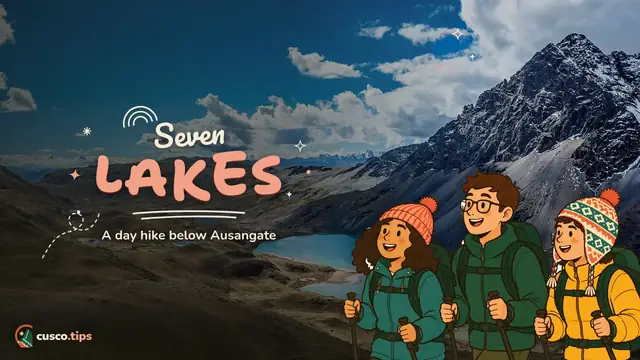
Ausangate Seven Lakes: a one-day hike from Cusco
Ausangate Seven Lakes guide: the loop from Pacchanta, altitude and difficulty, hot springs, getting there from Cusco, best season, what to pack and comparison with Humantay.
Read guide →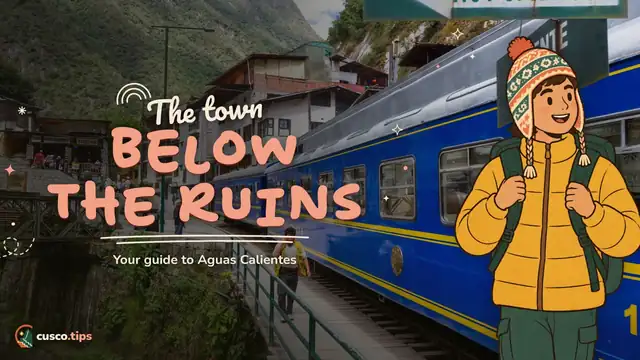
Aguas Calientes (Machu Picchu Town): getting there, things to do and where to stay
Practical guide to Aguas Calientes: arriving by train or on foot, the bus to Machu Picchu, things to do, hot springs, Mandor, ATMs and tips for staying overnight.
Read guide →