
Ausangate trek: the great circuit of the sacred peak (route, altitude and preparation)
Updated:
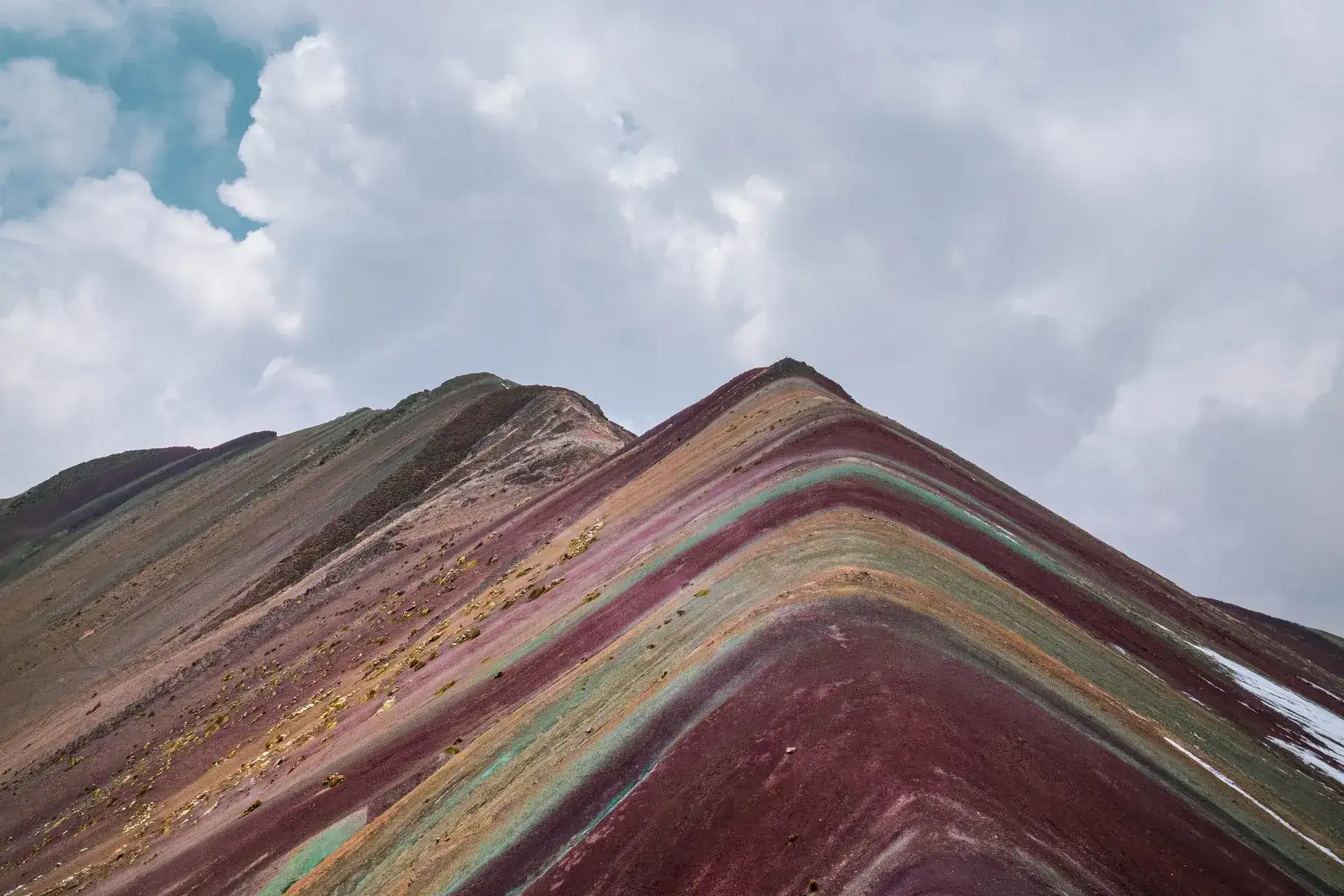
Ausangate, at over 6,300 m, is the highest mountain in the Cusco region and one of the most revered apus (sacred mountains) of the southern Andes. The trek around it is one of Peru's most spectacular and demanding: several days walking above 4,000 m among glaciers, coloured lakes, alpaca herds and herding communities, with passes over 5,000 m. Many itineraries also include Rainbow Mountain (Vinicunca) via a much quieter approach than the day trips.
Start here: Cusco tips · things to do in Cusco
The circuit route
There are several versions, but the classic circuit starts near Tinki or Upis, about 3–4 hours from Cusco by road, and loops around the massif in 4–6 days:
- Approach to Upis, with natural hot springs by the camp on some versions.
- Arapa pass and turquoise and reddish lakes below the glacier.
- Palomani pass, the highest, above 5,000 m, with close views of Ausangate's face.
- Descent through grazing valleys and, depending on itinerary, a detour to Rainbow Mountain.
- Return to Tinki or exit at another point.
The whole route is at high altitude: camps are usually between 4,300 and 4,700 m.
- Rainbow Mountain (Vinicunca): a practical guide to visiting
- Ausangate Seven Lakes: a one-day hike from Cusco
Popular activities on GetYourGuide
Difficulty and acclimatisation
- It's a trek for people with mountain experience and good fitness. Technical difficulty is low, but altitude is extreme.
- Acclimatise at least 3–4 days in Cusco and at altitude first; ideally do a day hike like Humantay or Rainbow Mountain beforehand.
- Nights are very cold: below freezing almost all year, especially in the dry season.
- Weather changes fast: snow, hail or strong wind can appear anytime.
Extreme altitude
Any serious altitude symptom (intense headache that won't ease, vomiting, confusion, breathlessness at rest, persistent cough) means descend. Don't continue to a high pass with symptoms.
- Altitude sickness in Cusco: how to prevent it and what to do
- Humantay Lake: how to get there, the hike and tips
Best season
The dry season, May to September, brings clear skies and firm trails but also the coldest nights. April and October can be good with slightly more rain risk. December to March brings frequent rain and snow, fog and poor visibility, and many agencies don't run the route.
Logistics: agencies, muleteers and communities
- Most travellers go with an agency arranging transport, guide, cook, muleteers with horses or pack llamas, tents and food.
- Independent trekking is possible for very experienced hikers with navigation and high-mountain gear; even so, hiring a local muleteer is advisable.
- Local communities charge passage or campsite fees at various points: carry cash in small notes.
- Many sections have no mobile coverage; ask whether the agency carries a radio or satellite phone.
- How to choose a tour agency in Cusco: a checklist to get it right
- SIM, eSIM and internet in Cusco: how to stay connected in Peru
Essential gear
- A sleeping bag for well-below-freezing temperatures (or rent a good one).
- Down jacket, thermal layers, gloves, hat and waterproof trousers.
- Broken-in waterproof boots, gaiters in snowy season and poles.
- High-category sunglasses, sunscreen and SPF lip balm: radiation is very intense.
- A personal first-aid kit and altitude medication recommended by your doctor.
Respect and culture
Ausangate is a sacred apu for Quechua communities; the Qoyllur Rit'i pilgrimage takes place near its slopes every year. Ask before photographing people, leave no rubbish and respect the pastures and animals of the families who live there.
Variants and shorter alternatives
Not everyone has five or six days or the acclimatisation for the full circuit. The usual options:
- Classic Ausangate circuit (4–6 days): fully circles the peak, with several passes above 5,000 m.
- Ausangate and Rainbow Mountain: variants that include Vinicunca on the trek, arriving before the day-tour rush.
- Ausangate Seven Lakes (1 day): a walk from Pacchanta past coloured lakes below the glacier — shorter, but still at high altitude.
- Palccoyo: if you just want coloured mountains with an easy walk, it's a one-day alternative.
- Ausangate Seven Lakes: a one-day hike from Cusco
- Rainbow Mountain (Vinicunca): a practical guide to visiting
- Palccoyo: the alternative rainbow mountain, easier and quieter than Vinicunca
Roughly how much it costs
Price depends mainly on the number of days, group size and inclusions: transport from Cusco, guide, cook, horsemen and horses, tents, meals and the fee communities charge to cross their land. Private treks or ones with an emergency horse cost more. Always ask for a written breakdown and be wary of prices far below average: they usually cut corners on safety or fair pay for horsemen.
Travel insurance
Before booking a high-altitude trek, check that your insurance covers hiking above 5,000 m and evacuation. Not every policy does.
Frequently asked questions
- How high does the Ausangate trek go?
- The highest passes exceed 5,000 m and camps are usually above 4,300 m.
- How many days does it take?
- Between 4 and 6 days depending on the version.
- Is it harder than Salkantay?
- Yes, because of sustained altitude over several days and the night-time cold.
Book this plan
- Ausangate trekCompareSee dates →
- Ausangate Seven LakesCompareSee dates →
Notice: This guide shares advice and recommendations based on research and local experience. Prices, opening hours and rules may change: always check with official sources and operators. Cusco Tips is not responsible for third-party services, bookings or decisions made using these guides; some links are affiliate links (see our affiliate policy).
Related guides
Things to do in Cusco: 30 essentials in the city and beyond
Things to do in Cusco: the city's essentials, Machu Picchu, the Sacred Valley, day trips, treks, food, markets and festivals, with 1- to 3-day plans.
Read guide →
Rainbow Mountain (Vinicunca): a practical guide to visiting
How to visit Rainbow Mountain from Cusco: tours, the hike, altitude (~5,000 m), horses, Red Valley, Palccoyo, best season and what to pack.
Read guide →
Ausangate Seven Lakes: a one-day hike from Cusco
Ausangate Seven Lakes guide: the loop from Pacchanta, altitude and difficulty, hot springs, getting there from Cusco, best season, what to pack and comparison with Humantay.
Read guide →
Salkantay Trek to Machu Picchu: route, difficulty, best season and how to plan it
Salkantay Trek guide: 4–5 day route over a pass of about 4,600 m, Humantay Lake, cloud forest, arrival in Aguas Calientes, difficulty, best season and agency vs independent.
Read guide →
Qoyllur Rit'i: the Andean pilgrimage below Ausangate (dates and how to attend)
Qoyllur Rit'i guide: what the pilgrimage is, when it takes place, getting to the Sinakara sanctuary, extreme conditions, what to bring and how to attend respectfully.
Read guide →