
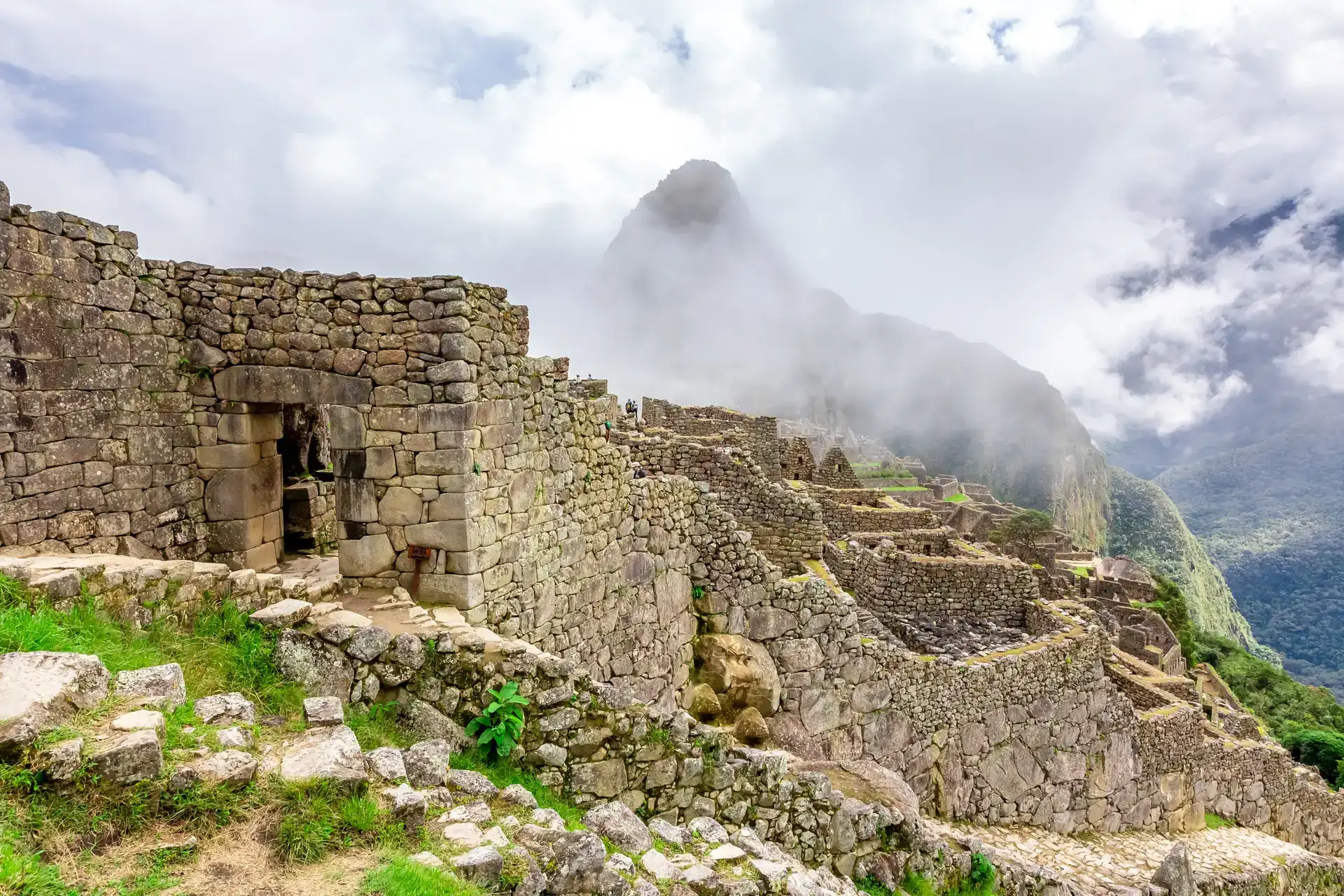
Rainy season in Cusco and Machu Picchu: what to expect and how to make the most of it
Updated:
The rainy season scares many travellers, but it needn't ruin your trip. Between November and March the Andes turn vivid green, there are fewer tourists and prices often drop. In return you accept downpours, clouds that sometimes hide the mountains and some flexibility in your plans. This guide explains what to expect, which activities are most affected and how to pack.
Start here: Cusco tips · things to do in Cusco
When it rains in Cusco
The Cusco region has two clear seasons: dry, roughly May to September, and rainy, roughly November to March. April and October are transition months. January and February are usually the wettest. Dates vary each year, so check the forecast from Peru's official weather service (SENAMHI) before you go.
- Cusco weather by month: temperatures, rain and what to expect
- Best time to visit Cusco and what to pack
Popular activities on GetYourGuide
A typical day
It rarely rains all day. Many mornings start clear or with high cloud, and rain arrives in the afternoon as heavy showers, sometimes with thunder and hail. There are also grey days with steady drizzle. Daytime temperatures are mild and nights slightly less cold than in the dry season, as clouds trap heat. Plan outdoor visits for the morning and keep afternoons for museums, markets or cafés.
Machu Picchu in the rain
Machu Picchu is open year-round. Lying in the cloud forest, lower than Cusco, it's warmer and more humid, and rain can be frequent in season. Morning mist is common and often lifts by mid-morning, giving very atmospheric views. Tips:
- Choose a mid-morning entry time to improve your chances of clearing skies.
- Bring a poncho or waterproof jacket: the rules restrict umbrellas inside the sanctuary, so check current regulations.
- Wear shoes with good grip: stone stairs get slippery.
- Heavy rain occasionally causes landslides affecting the railway or the road to Hidroeléctrica; book services with a clear change policy.
- How to get to Machu Picchu: train, Inca Trail or Hidroeléctrica
- Machu Picchu tickets: how to buy them on the official site and not miss out
- Machu Picchu circuits explained: which to choose (1, 2 or 3) and what you see
The Inca Trail closes in February
The whole Machu Picchu Inca Trail network closes every year from 1 to 28 (or 29) February for maintenance, conservation and ecosystem recovery. The closure covers the classic 4-day Inca Trail and also the 2-day short Inca Trail from km 104 (route 5): no permits are sold for either in February. In 2026 SERNANP announced the closure of routes 1, 2, 3, 5 and 6 until 28 February, and the Ministry of Culture reopened the network on 1 March. In January and March it's open, though with wetter paths. If you travel in February, permit-free alternatives are Salkantay, Lares or the Inca Jungle.
Confirm dates
Closure and maintenance schedules can change. Check the Ministry of Culture's official information before booking.
- Inca Trail to Machu Picchu: permits, when to book, the 4-day route and the short version
- Short Inca Trail (2 days): the route from km 104, permits and what to expect
Official sources
Other treks and trips
- Salkantay, Lares and Inca Jungle are doable, but expect mud, fewer views and damp cold on high passes.
- Rainbow Mountain and Humantay: snow or fog may hide the colours or the lake; in return, snowy landscapes are spectacular.
- Sacred Valley: highly recommended in the rainy season, with green terraces and fewer people.
- Rafting: some Urubamba sections get too high and are suspended; ask which rivers are running.
- Salkantay Trek to Machu Picchu: route, difficulty, best season and how to plan it
- Rainbow Mountain (Vinicunca): a practical guide to visiting
- Humantay Lake: how to get there, the hike and tips
- Sacred Valley of the Incas: what to see and how to visit
- Rafting in Cusco: Urubamba sections, the Apurímac, seasons and safety
What to pack
- A waterproof, breathable jacket or a light poncho.
- Waterproof shoes with good grip and spare socks.
- A rain cover for your backpack and bags for phone and documents.
- Layers: thermal, fleece and windbreaker.
- Sunscreen and sunglasses: the high-altitude sun is strong even between clouds.
- Insect repellent for Machu Picchu and lower areas.
Upsides of the rainy season
- Fewer crowds at Machu Picchu and Sacred Valley sites.
- Easier ticket and accommodation availability at shorter notice.
- Often lower hotel prices.
- Green landscapes and flowers, very photogenic.
- Celebrations such as Christmas, New Year and Andean carnivals in February.
Planning tips
- Leave one or two buffer days in case weather forces a change.
- Book tours and trains with clear change or cancellation terms.
- Check road and rail status before setting out, especially after heavy rain.
- Have an indoor plan B: museums, cooking classes, cafés and markets.
- Travel insurance covering cancellations and delays gives peace of mind.
- The best museums in Cusco: which to visit, tickets and how to plan
- Cooking classes in Cusco: what to expect, typical dishes and how to choose
Month by month (approximate)
- November: rain becomes more frequent, but many good days remain.
- December: regular afternoon rain and a festive mood in the city.
- January and February: the wettest months; Inca Trail closed in February.
- March: rain starts easing and the landscape is at its greenest.
Before you go

eSIM for Peru
Land connected: install an Airalo data eSIM before you travel and switch it on when you land. Check first that your phone supports eSIM and is unlocked.
Get online in Peru →Frequently asked questions
- When is the rainy season in Cusco?
- Roughly November to March, with January and February the wettest.
- Is Machu Picchu worth visiting in the rainy season?
- Yes: it's open year-round with fewer people and green scenery, though mist and rain are possible.
- Is the Inca Trail open in February?
- No. The whole network, including the 2-day short Inca Trail, closes in February for maintenance and reopens on 1 March.
- Does it rain all day?
- Usually not: rain tends to come in the afternoon.
Book this plan
- Cusco city tourCompareSee dates →
- Sacred Valley tourCompareSee dates →
- Machu Picchu day trip from CuscoCompareSee dates →
Notice: This guide shares advice and recommendations based on research and local experience. Prices, opening hours and rules may change: always check with official sources and operators. Cusco Tips is not responsible for third-party services, bookings or decisions made using these guides; some links are affiliate links (see our affiliate policy).
Related guides
Best time to visit Cusco and what to pack
Dry and rainy seasons month by month, main festivals, approximate temperatures and a practical packing list for Cusco and Machu Picchu.
Read guide →
Cusco weather by month: temperatures, rain and what to expect
What Cusco's weather is like each month: approximate day and night temperatures, rain, crowds and festivals, with tips for Machu Picchu and treks.
Read guide →
How to get to Machu Picchu: train, Inca Trail or Hidroeléctrica
Every way to reach Machu Picchu from Cusco: PeruRail and Inca Rail trains, the Inca Trail, the Hidroeléctrica route, buses to the citadel and tickets.
Read guide →
Inca Trail to Machu Picchu: permits, when to book, the 4-day route and the short version
How to get Inca Trail permits: limited spaces, licensed operators only, when to book, the February closure, the classic 4-day route, the 2-day version and what to pack.
Read guide →