
Cusco has museums for every taste: Inca and pre-Inca archaeology, original pieces from Machu Picchu, colonial Cusco School art and Andean folk art. They're the perfect complement to the ruins, a good option for acclimatisation or rainy days, and almost all are a few minutes' walk from the Plaza de Armas. Here's which ones are worth it, which tickets you need and how to group them.
Start here: Cusco tips · things to do in Cusco
The must-sees
Inka Museum (Museo Inka)
Run by Cusco's national university (UNSAAC), it occupies a colonial mansion on Cuesta del Almirante, steps from the Plaza de Armas. It covers Andean history from pre-Inca cultures to the colonial period, with ceramics, textiles, metalwork, keros (ceremonial cups) and a mummy section. Weavers often work in the courtyard. Ideal for context before Machu Picchu.
Museum of Pre-Columbian Art (MAP)
On Plaza Nazarenas, in a restored mansion, it presents a selection of pieces from cultures across ancient Peru (Nasca, Moche, Chimú, Wari, Inca) with an artistic focus: few pieces, beautifully lit and explained. It opens into the evening, making it a good end-of-day plan.
Machu Picchu Museum – Casa Concha
On Calle Santa Catalina Ancha, very close to the Plaza de Armas. It displays objects excavated at Machu Picchu in the early 20th century and returned to Peru by Yale University, now managed with the Cusco university. The best place to see ceramics, tools and human remains from the citadel itself.
Museums included in the Tourist Ticket
Besides archaeological sites, the Cusco Tourist Ticket (Boleto Turístico) includes several city museums. The most interesting:
- Regional History Museum: in the birthplace of chronicler Inca Garcilaso de la Vega, with archaeology and colonial painting.
- Qorikancha Site Museum: a small underground museum beneath the Temple of the Sun's gardens.
- Popular Art Museum: retablos, figurines and contemporary Cusco crafts.
- Contemporary Art Museum: in the municipal building.
- Centro Qosqo de Arte Nativo: evening performances of traditional Andean dances.
Museums and hours can change; check the ticket's current list.
Religious art and the Cusco School
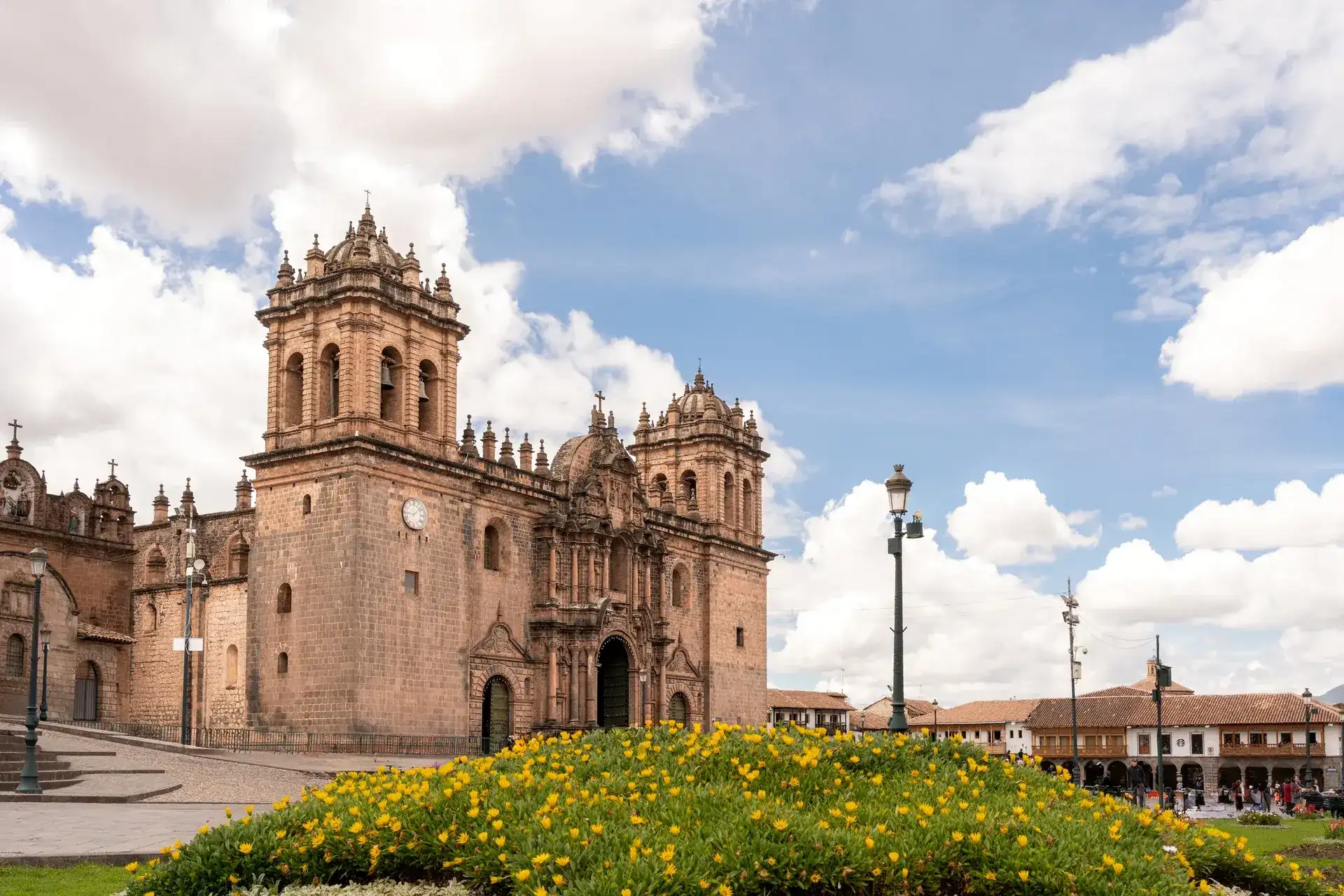
- Cusco Cathedral: home to one of the best collections of Cusco School painting, including a famous Last Supper with a guinea pig on the table.
- Museum of Religious Art: in the former archbishop's palace on Hatun Rumiyoc street, site of the famous twelve-angled stone.
- San Blas church: renowned for its carved wooden pulpit.
Several of these are grouped in a separate religious ticket, distinct from the Tourist Ticket. Check what it includes and its current price.
Other museums and spaces
- Qorikancha / Santo Domingo convent: more than a museum, the most important Inca temple, with its own ticket.
- Private themed museums on chocolate, pisco or plants, more experience than collection.
- Casa Garcilaso and colonial mansions with courtyards open to the public.
How to plan your visits
- Arrival or acclimatisation day: Inka Museum and MAP, almost flat and near the Plaza.
- Rainy day: combine Casa Concha, the Cathedral and the Museum of Religious Art.
- Before Machu Picchu: Casa Concha and the Inka Museum help you understand what you'll see.
- Evening: MAP and the dance shows at Centro Qosqo de Arte Nativo.
Pace yourself
Each major museum needs 1–2 hours. Try not to do more than two or three in one day, especially in your first days at altitude.
Practical information
- Tickets: some museums have their own ticket, others are covered by the Tourist Ticket or the religious ticket. Ask about student discounts with a valid card.
- Hours: usually morning to late afternoon; some close one day a week or on holidays. Confirm before going.
- Photos: many museums and churches don't allow photography or restrict flash.
- Guides: major museums have audio guides or guides; in churches, official guides help a lot with colonial painting.
Guided visits
Many city tours include the Cathedral or Qorikancha, and there are cultural walking tours of the historic centre combining museums and mansions.
Frequently asked questions
- What is the best museum in Cusco?
- It depends on your interest: for Andean history, the Inka Museum; for pre-Columbian art, MAP; for pieces from the citadel, the Machu Picchu Museum at Casa Concha.
- Which museums are included in the Tourist Ticket?
- Several city museums, such as the Regional History Museum, Qorikancha Site Museum, Popular Art, Contemporary Art and Centro Qosqo de Arte Nativo. Check the current list.
Book this plan
- City tour of the Tourist Ticket sitesCompareSee dates →
- Cusco walking tourCompareSee dates →
Notice: This guide shares advice and recommendations based on research and local experience. Prices, opening hours and rules may change: always check with official sources and operators. Cusco Tips is not responsible for third-party services, bookings or decisions made using these guides; some links are affiliate links (see our affiliate policy).
Related guides
Things to do in Cusco: 30 essentials in the city and beyond
Things to do in Cusco: the city's essentials, Machu Picchu, the Sacred Valley, day trips, treks, food, markets and festivals, with 1- to 3-day plans.
Read guide →
Qorikancha, the Temple of the Sun: tickets, hours, what to see and history
Visiting Qorikancha and Santo Domingo convent in Cusco: the finest Inca stonework, which ticket you pay, approximate hours, the site museum and tips.
Read guide →
Cusco Tourist Ticket (Boleto Turístico): what's included and is it worth it
Guide to the Cusco Tourist Ticket (COSITUC): full and partial tickets, sites in each circuit, what it does NOT include, where to buy it and how to use it.
Read guide →
Cusco Cathedral: what to see inside, the Last Supper with guinea pig, tickets and hours
Cusco Cathedral guide: history on an Inca palace, Marcos Zapata's Last Supper, the Lord of Earthquakes, Cusco School art, tickets, opening hours and tips for your visit.
Read guide →
Sacsayhuamán: how to visit, tickets, history and tips
Guide to Sacsayhuamán, the great Inca complex above Cusco: walking up or by taxi, which ticket you need, hours, what to see (walls, Rodadero, tunnels) and its history.
Read guide →