
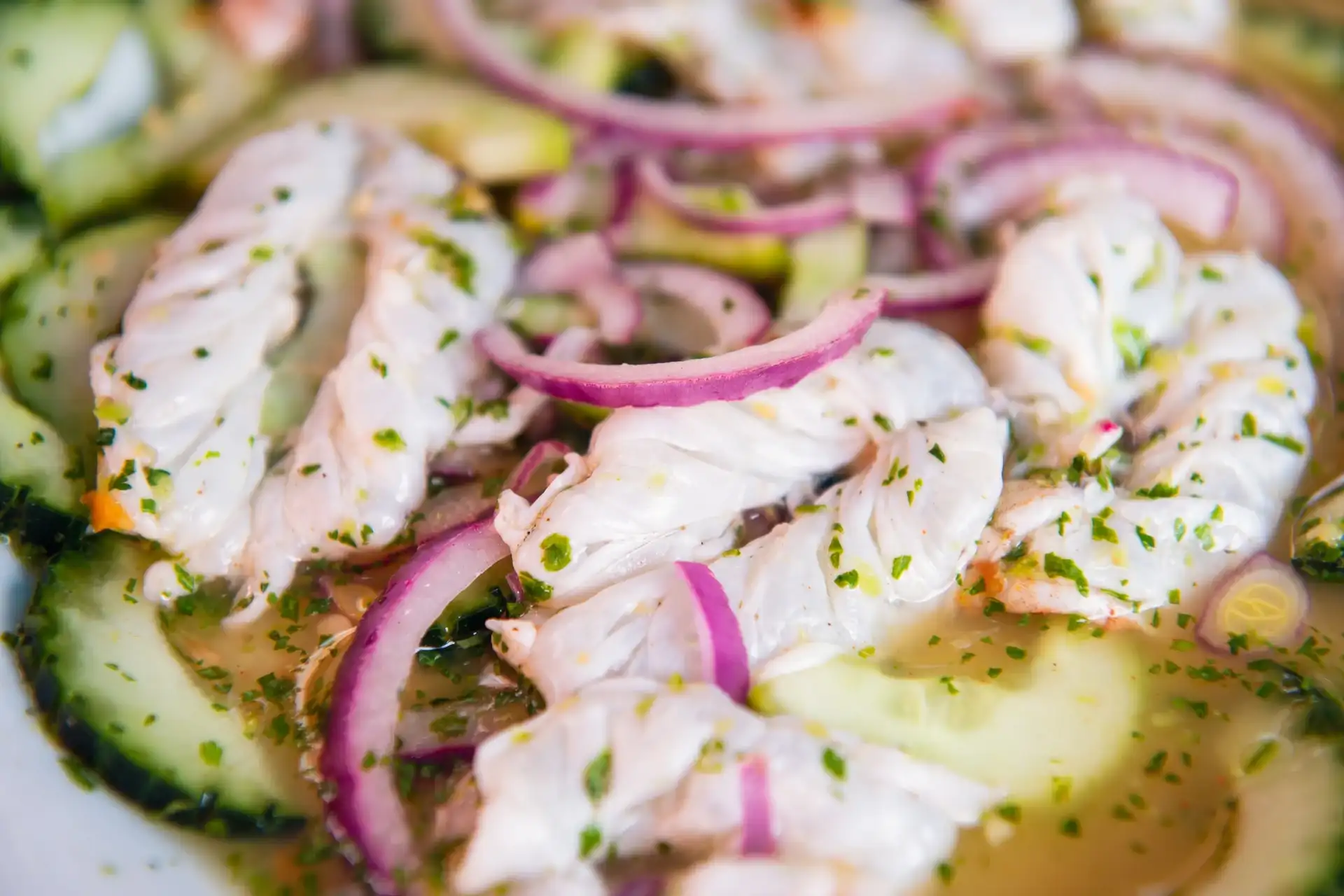
A cooking class is one of the most enjoyable activities for a rest day in Cusco, especially while you're still acclimatising to the altitude. In a few hours you learn classic Peruvian dishes, discover Andean ingredients you won't find at home and end up eating what you've cooked. You also take home recipes to repeat, one of the best souvenirs of a trip to Peru.
Start here: Cusco tips · things to do in Cusco
What to expect
Most classes follow a similar format:
- Meet in central Cusco and, in many classes, a guided visit to a local market such as San Pedro to see Andean fruit, potatoes, corn and herbs.
- Arrive at the kitchen, where each participant has a workstation.
- Make a cocktail or drink, often pisco sour or chicha morada.
- Cook two or three dishes guided by a chef: starter, main and sometimes dessert.
- Share the meal and receive the recipes.
Classes usually last three to four hours including the market visit.
Popular activities on GetYourGuide
Dishes you'll usually cook
- Ceviche: fish cured in lime with chilli, onion and coriander. In Cusco it's made with river or coastal fish brought in daily.
- Lomo saltado: wok-tossed beef, onion and tomato, a legacy of chifa cooking, served with fries and rice.
- Causa limeña: yellow-potato mash with chilli, filled with chicken, tuna or vegetables.
- Ají de gallina: shredded chicken in a yellow-chilli cream.
- Dishes with quinoa, Andean trout or alpaca, depending on the class.
- Desserts such as mazamorra morada or picarones.
- What and where to eat in Cusco: typical dishes, markets and tips
- Eating guinea pig (cuy) in Cusco: what it is, how it's cooked and where to try it
Pisco sour and drinks
Many classes include making a pisco sour, the national cocktail, with pisco, lime, syrup, egg white and angostura bitters. Some add tastings of different piscos or non-alcoholic drinks such as chicha morada, made from purple corn. If you don't drink alcohol, say so in advance.
Vegetarian options and allergies
Most schools adapt menus for vegetarians and increasingly for vegans: mushroom or mango ceviche, vegetable saltado, veggie causa or quinoa dishes. If you have allergies or intolerances, such as gluten or shellfish, mention it when booking.
How to choose a good class
- Small group: you actually cook rather than watch.
- Market visit included, if the cultural side interests you.
- Clear menu: check which dishes you'll cook and whether you can choose.
- Recent reviews on booking platforms and the cancellation policy.
- A time that suits you: morning classes with market, afternoon or evening classes.
We don't recommend specific schools; compare several and choose by menu and format.
Rough price
Price depends on length, number of dishes, whether the market and drinks are included, and group size. Private classes cost more. As a guide, a shared class is usually in a moderate range comparable to a good meal with drinks at a tourist restaurant; always check the current price when booking.
First day in Cusco
It's ideal for your first or second day: little physical effort, indoors and central, while your body adapts to the altitude.
Pair it with a food tour
If you love food, pair the class with a food tour around the centre and San Blas to taste more dishes and drinks at different places. You can also visit San Pedro market on your own for a cheap set lunch or a fruit juice.
- Coffee in Cusco: where it comes from, specialty cafés and farm visits
- Chocolate and cacao in Cusco: workshops, chuncho cacao and what to buy
Practical tips
- Book one or two days ahead in high season.
- Arrive hungry: there's plenty to eat.
- Take notes or photograph the recipes.
- Some ingredients, like ají amarillo, are sold as paste in Cusco markets or in Latin shops abroad.
Andean ingredients you'll discover
- Native potatoes: Peru grows thousands of varieties; you'll see purple and yellow potatoes and chuño, freeze-dried potato.
- Corn: from giant-kernel choclo to the purple corn used for chicha.
- Chillies: ají amarillo, rocoto and ají panca, the base of many sauces.
- Herbs: huacatay, muña and mint, with aromas unlike European herbs.
- Andean grains: quinoa, kiwicha and tarwi.
- Fruit: cherimoya, lucuma, granadilla, goldenberry and prickly pear.
At the market the chef often lets you taste fruit and explains everyday uses.
Frequently asked questions
- How long is a cooking class in Cusco?
- Usually three to four hours including a market visit.
- What dishes do you cook?
- Typically ceviche, lomo saltado, causa or ají de gallina, plus pisco sour.
- Are there vegetarian options?
- Yes, most classes adapt the menu if you tell them when booking.
- Is it a good acclimatisation activity?
- Yes, it's low-effort and in central Cusco.
Book this plan
- Peruvian cooking classCompareSee dates →
- Cusco food tourCompareSee dates →
Notice: This guide shares advice and recommendations based on research and local experience. Prices, opening hours and rules may change: always check with official sources and operators. Cusco Tips is not responsible for third-party services, bookings or decisions made using these guides; some links are affiliate links (see our affiliate policy).
Related guides
Things to do in Cusco: 30 essentials in the city and beyond
Things to do in Cusco: the city's essentials, Machu Picchu, the Sacred Valley, day trips, treks, food, markets and festivals, with 1- to 3-day plans.
Read guide →
What and where to eat in Cusco: typical dishes, markets and tips
Cusco dishes worth trying, typical drinks, types of places to eat, markets and food-safety tips at altitude.
Read guide →
Pisco in Cusco: types, pisco sour, tastings and how to choose a good bar
Guide to pisco in Cusco: what it is, types (puro, acholado, mosto verde), pisco sour and chilcano, tastings and cocktail classes, choosing a good bar and drinking wisely at altitude.
Read guide →
San Pedro Market in Cusco: what to eat, what to buy, opening hours and tips
Guide to San Pedro Central Market: sections, juices, cheap food, breads, cheeses and Andean produce, approximate hours, safety and how to get there from the Plaza de Armas.
Read guide →
Vegan and vegetarian food in Cusco: Andean dishes, markets and useful phrases
Guide to vegan and vegetarian eating in Cusco: suitable Peruvian dishes, Andean ingredients, markets, how to order meat-free, options on treks and tours, and finding restaurants.
Read guide →