
Eating guinea pig (cuy) in Cusco: what it is, how it's cooked and where to try it
Updated:
Few foods spark as much curiosity among travellers as cuy, the guinea pig that's a pet in many countries but has been a valued food and a celebration dish in the Andes for thousands of years. Whether you try it is a personal choice, but understanding what cuy means to Andean families helps you see the dish differently. This guide covers its history, the most common ways it's cooked in Cusco and what to expect if you order it.
Start here: Cusco tips · things to do in Cusco
A food with thousands of years of history
Guinea pigs were domesticated in the Andes thousands of years ago, long before the Incas. They are traditionally raised inside rural homes, often in the kitchen, feeding on grasses and vegetable scraps. They're a source of high-quality protein, breed quickly and need little space, which made them key to the diet of highland communities.
Beyond food, cuy has a ritual role: some communities use it in traditional healing practices, and it's served at patron-saint festivals, baptisms, weddings and family celebrations. It's so important that it even appears in colonial art: in Cusco Cathedral, the Last Supper painted by Marcos Zapata shows a cuy in the middle of the table.
- Cusco Cathedral: what to see inside, the Last Supper with guinea pig, tickets and hours
- Machu Picchu history: who built it, why, and how the world found out
Popular activities on GetYourGuide
How it's cooked in Cusco
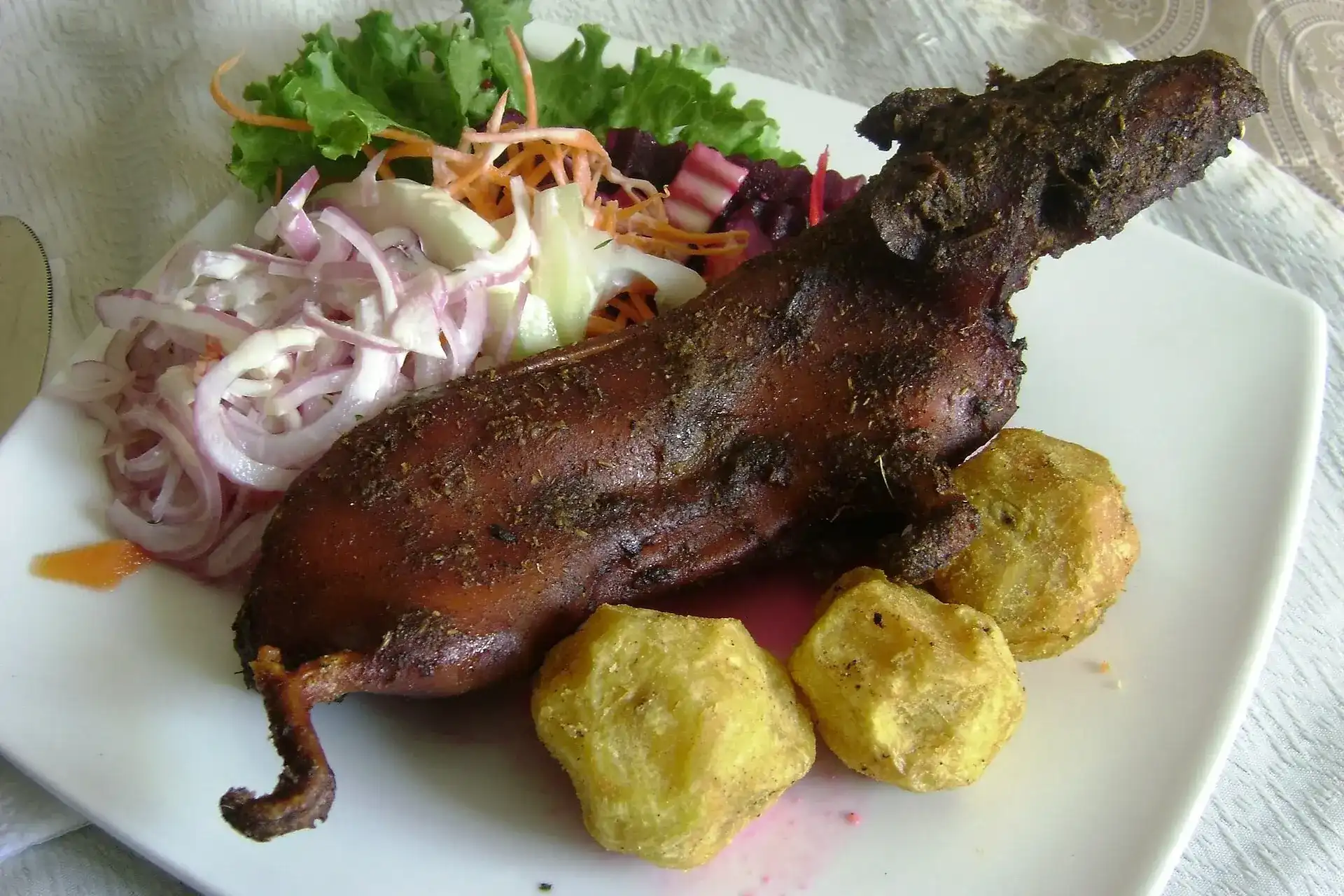
- Cuy al horno: the most typical preparation in the Cusco region. It's marinated with Andean herbs such as huacatay, garlic and chilli, and roasted whole in a wood-fired oven. The skin turns crisp and the meat stays juicy. It's usually served with potatoes, sometimes stuffed, and salad.
- Cuy chactado: fried flat under a stone, very crispy; more typical of Arequipa but found in some restaurants.
- Cuy in spicy sauces or stews: in some areas it's cooked with chilli and peanut sauces.
- Chef-driven versions: some Novo Andean restaurants serve it deboned, confit or in easier-to-eat portions.
Tipón and Saylla
In the south valley near Cusco, Tipón is famous for oven-roasted cuy and Saylla for chicharrón. If you visit the Tipón archaeological site, it's a good chance to try it.
Where to try it
We don't recommend specific places because they change often, but these are the usual options:
- Traditional picanterías and quintas: popular spots, especially at lunchtime, where Cusco families eat. Authentic atmosphere and lower prices.
- Tourist restaurants in the centre: cuy is on the menu and staff usually explain the dish; higher prices.
- Novo Andean restaurants: creative preparations and more polished presentation.
- South-valley villages: above all Tipón, where it's roasted in big wood ovens, especially at weekends.
Always ask whether the cuy is whole or in portions and how long it takes: oven-roasted cuy may need ordering ahead or a long wait.
- What and where to eat in Cusco: typical dishes, markets and tips
- San Pedro Market in Cusco: what to eat, what to buy, opening hours and tips
How to eat it
It's usually served whole or halved, with head and feet — the part that surprises most travellers. A few tips:
- If seeing it whole puts you off, ask for it cut into pieces.
- It's fine to eat with your hands; the crispy skin is the most prized part.
- There isn't much meat and it clings to many small bones: eat slowly.
- The flavour is somewhere between chicken and rabbit, with a rich, fatty touch.
A whole cuy with sides is usually enough for two people to share.
Rough price
Cuy is one of the most expensive dishes on a traditional menu, because the animals take time to raise and preparation is slow. Popular places charge much less than tourist or chef-driven restaurants. Prices change over time and between places, so check the menu before ordering and ask whether the price is for a whole or half cuy.
If you'd rather not
It's completely understandable not to want to eat guinea pig, especially if it's a pet where you come from. Nobody will be offended if you decline politely. Remember it's a traditional food for Andean families, so avoid disparaging comments. For other options, try lomo saltado, adobo cusqueño, quinoa soup, chiriuchu (the classic Corpus Christi dish, which also includes cuy) or the many vegetarian dishes of Andean cooking.
- Vegan and vegetarian food in Cusco: Andean dishes, markets and useful phrases
- Corpus Christi in Cusco: dates, the saints' procession, chiriuchu and tips
- What and where to eat in Cusco: typical dishes, markets and tips
Learn about Andean food
If you're into local food, a cooking class or food tour with a visit to San Pedro market is a great way to understand the ingredients, including cuy, corn, native potatoes and Andean herbs.
- San Pedro Market in Cusco: what to eat, what to buy, opening hours and tips
- Cooking classes in Cusco: what to expect, typical dishes and how to choose
Frequently asked questions
- What does guinea pig taste like?
- Somewhere between chicken and rabbit, with crisp, slightly fatty skin when oven-roasted.
- Where is the best cuy near Cusco?
- South-valley villages, above all Tipón, are known for oven-roasted cuy. In the city you'll find it in picanterías and Peruvian restaurants.
- Is cuy expensive in Cusco?
- It's one of the priciest traditional dishes. Prices vary a lot between local places and tourist restaurants; check the menu before ordering.
- Is it served with the head?
- Usually yes, whole or halved. You can ask for it cut into pieces.
Book this plan
- Cusco food tourCompareSee dates →
- Peruvian cooking classCompareSee dates →
Notice: This guide shares advice and recommendations based on research and local experience. Prices, opening hours and rules may change: always check with official sources and operators. Cusco Tips is not responsible for third-party services, bookings or decisions made using these guides; some links are affiliate links (see our affiliate policy).
Related guides

Things to do in Cusco: 30 essentials in the city and beyond
Things to do in Cusco: the city's essentials, Machu Picchu, the Sacred Valley, day trips, treks, food, markets and festivals, with 1- to 3-day plans.
Read guide →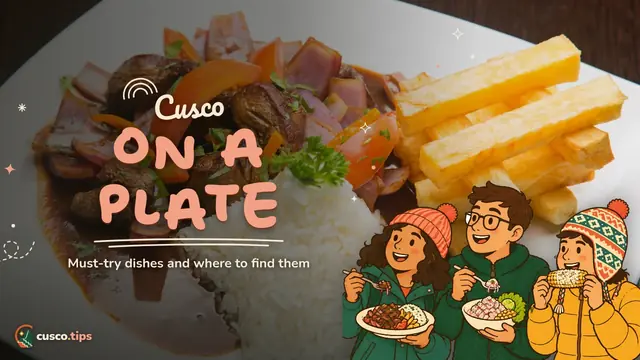
What and where to eat in Cusco: typical dishes, markets and tips
Cusco dishes worth trying, typical drinks, types of places to eat, markets and food-safety tips at altitude.
Read guide →
San Pedro Market in Cusco: what to eat, what to buy, opening hours and tips
Guide to San Pedro Central Market: sections, juices, cheap food, breads, cheeses and Andean produce, approximate hours, safety and how to get there from the Plaza de Armas.
Read guide →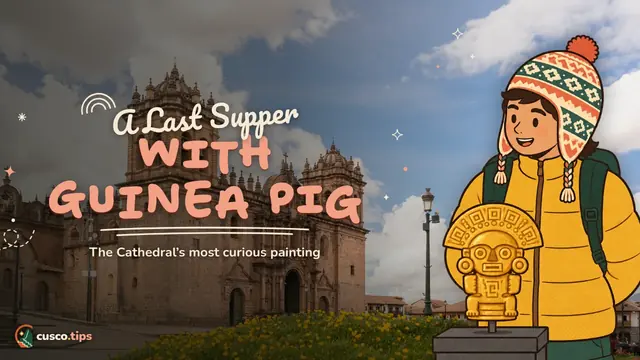
Cusco Cathedral: what to see inside, the Last Supper with guinea pig, tickets and hours
Cusco Cathedral guide: history on an Inca palace, Marcos Zapata's Last Supper, the Lord of Earthquakes, Cusco School art, tickets, opening hours and tips for your visit.
Read guide →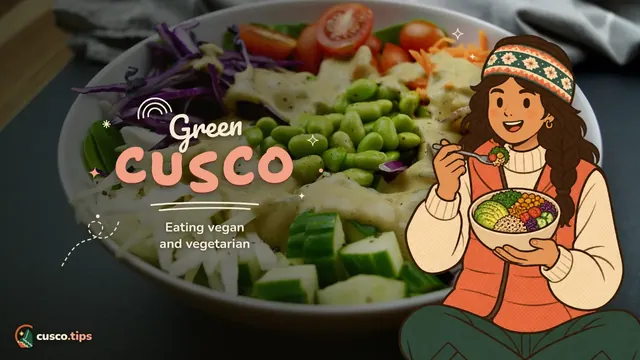
Vegan and vegetarian food in Cusco: Andean dishes, markets and useful phrases
Guide to vegan and vegetarian eating in Cusco: suitable Peruvian dishes, Andean ingredients, markets, how to order meat-free, options on treks and tours, and finding restaurants.
Read guide →