
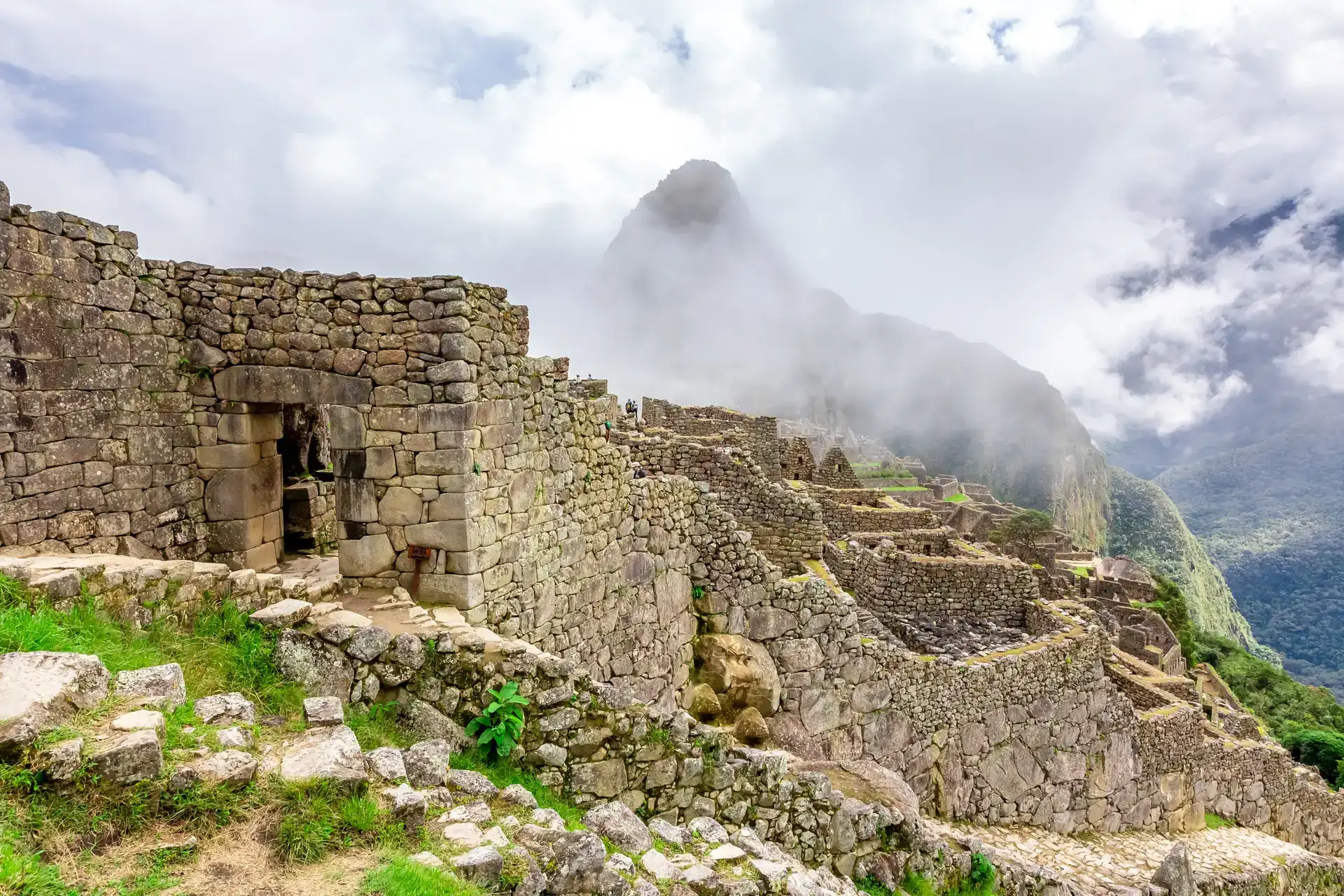
Knowing Machu Picchu's history transforms the visit: you understand why temples stand beside farming terraces, why the site is where it is, and why for centuries almost nobody outside the region knew about it. Here's a clear summary based on what most researchers accept today, flagging what's still debated.
Start here: Cusco tips · things to do in Cusco
Who built it and when
Machu Picchu was built by the Incas in the 15th century. It's traditionally linked to the ruler Pachacuti, who turned a regional kingdom centred on Cusco into Tawantinsuyu, the largest empire of pre-Columbian America. It was long dated to around 1450, but radiocarbon studies published in 2021 suggest it was already occupied a few decades earlier, around 1420. Occupation was relatively short: less than a century.
Popular activities on GetYourGuide
What was it for?
The most accepted interpretation is that it was a royal estate of the Inca elite, linked to Pachacuti and his lineage, with important religious functions. That's why it combines:
- Temples and ceremonial spaces of fine masonry, such as the Temple of the Sun, the Temple of the Three Windows and the Intihuatana.
- Housing for nobles, priests and servants, with very different building quality.
- Farming terraces, channels and fountains that supplied the site and protected the slopes from erosion.
The location — on a ridge encircled by the Urubamba River and sacred mountains (apus) — was no accident: the landscape had strong religious meaning.
Inca engineering
What impresses engineers most isn't just the mortar-free stonework but what you can't see: much of the construction is underground, in foundations and drainage systems that have let the site withstand centuries of heavy rain and earthquakes in a very wet area. The terraces, the channel bringing water from a spring and the planning of the sectors show advanced knowledge of the terrain.
Abandonment and centuries of silence
Machu Picchu was abandoned around the time of the Spanish conquest in the 16th century, probably because of the collapse of the Inca system, war and epidemics. There's no evidence the Spanish ever found it, which partly explains its good condition. But it was never entirely forgotten: local farmers knew the place and some families farmed its terraces in the early 20th century.
The 1911 expedition and Hiram Bingham
In 1911 the American explorer Hiram Bingham of Yale University reached the site guided by local farmers and found families living there. His work and the photographs published in 1913 introduced Machu Picchu to the world. Today it's recognised that others, such as Cusco local Agustín Lizárraga, had been there before, and the word "discovery" is debatable.
- Bingham and Yale took thousands of archaeological objects for study.
- After years of claims, Yale returned the collections to Peru in 2011–2012; part is displayed in Cusco.
- Machu Picchu Museum Casa Concha in Cusco: the pieces returned by Yale
- The best museums in Cusco: which to visit, tickets and how to plan
What does "Machu Picchu" mean?
In Quechua it's usually translated as "old mountain" or "old peak", in contrast to Huayna Picchu, "young mountain". Research based on colonial documents suggests the Incas may have called the site something else (for example simply "Picchu" or "Huayna Picchu"); the debate is open.
Machu Picchu today
- A UNESCO World Heritage Site since 1983, as a Historic Sanctuary (mixed cultural and natural property).
- Voted one of the "New Seven Wonders of the World" in 2007 in a popular poll.
- Access is regulated with quotas, time slots and circuits to protect the site.
- Machu Picchu tickets: how to buy them on the official site and not miss out
- Machu Picchu rules: what to bring, bag size, banned items and guides
Go with a guide
A good guide brings the history to life. Many tours include an official guide; if you go independently, hire one at the entrance.
Seeing the history on your visit
- Pick a circuit that covers the sectors you care about most: the temples and upper area aren't covered the same way on every route.
- Before or after Machu Picchu, visit Qorikancha in Cusco: it was the empire's most important temple and helps you understand Inca religious architecture.
- In Cusco, the Machu Picchu Museum at Casa Concha displays part of the objects returned by Yale.
- If you hike the Inca Trail, you'll see sites like Wiñay Wayna that were part of the same network of roads and shrines.
- Useful reading: publications by Peru's Ministry of Culture and UNESCO offer reliable, up-to-date information.
- Machu Picchu circuits explained: which to choose (1, 2 or 3) and what you see
- Qorikancha, the Temple of the Sun: tickets, hours, what to see and history
- Inca Trail to Machu Picchu: permits, when to book, the 4-day route and the short version
Frequently asked questions
- Who built Machu Picchu?
- The Incas, in the 15th century; it's traditionally associated with the ruler Pachacuti.
- Who discovered Machu Picchu?
- Local farmers always knew it; Hiram Bingham made it internationally known in 1911.
- What does Machu Picchu mean?
- It's usually translated as "old mountain" in Quechua.
Official sources
Book this plan
- Machu Picchu day trip from CuscoCompareSee dates →
- Sacred Valley and Machu Picchu in 2 daysCompareSee dates →
- Machu Picchu entry with a guided visitCompareSee dates →
Notice: This guide shares advice and recommendations based on research and local experience. Prices, opening hours and rules may change: always check with official sources and operators. Cusco Tips is not responsible for third-party services, bookings or decisions made using these guides; some links are affiliate links (see our affiliate policy).
Related guides
How to get to Machu Picchu: train, Inca Trail or Hidroeléctrica
Every way to reach Machu Picchu from Cusco: PeruRail and Inca Rail trains, the Inca Trail, the Hidroeléctrica route, buses to the citadel and tickets.
Read guide →
Machu Picchu circuits explained: which to choose (1, 2 or 3) and what you see
Differences between Machu Picchu circuits 1, 2 and 3 and their routes: classic view, temples, Huayna Picchu, the Mountain and the Sun Gate. How to choose.
Read guide →
Machu Picchu Museum Casa Concha in Cusco: the pieces returned by Yale
Guide to the Machu Picchu Museum in Cusco's Casa Concha: the story of the pieces returned by Yale, what the galleries show, how long to spend and how to pair it with your trip.
Read guide →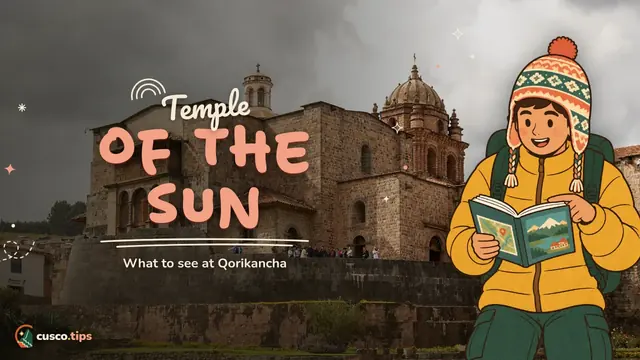
Qorikancha, the Temple of the Sun: tickets, hours, what to see and history
Visiting Qorikancha and Santo Domingo convent in Cusco: the finest Inca stonework, which ticket you pay, approximate hours, the site museum and tips.
Read guide →