
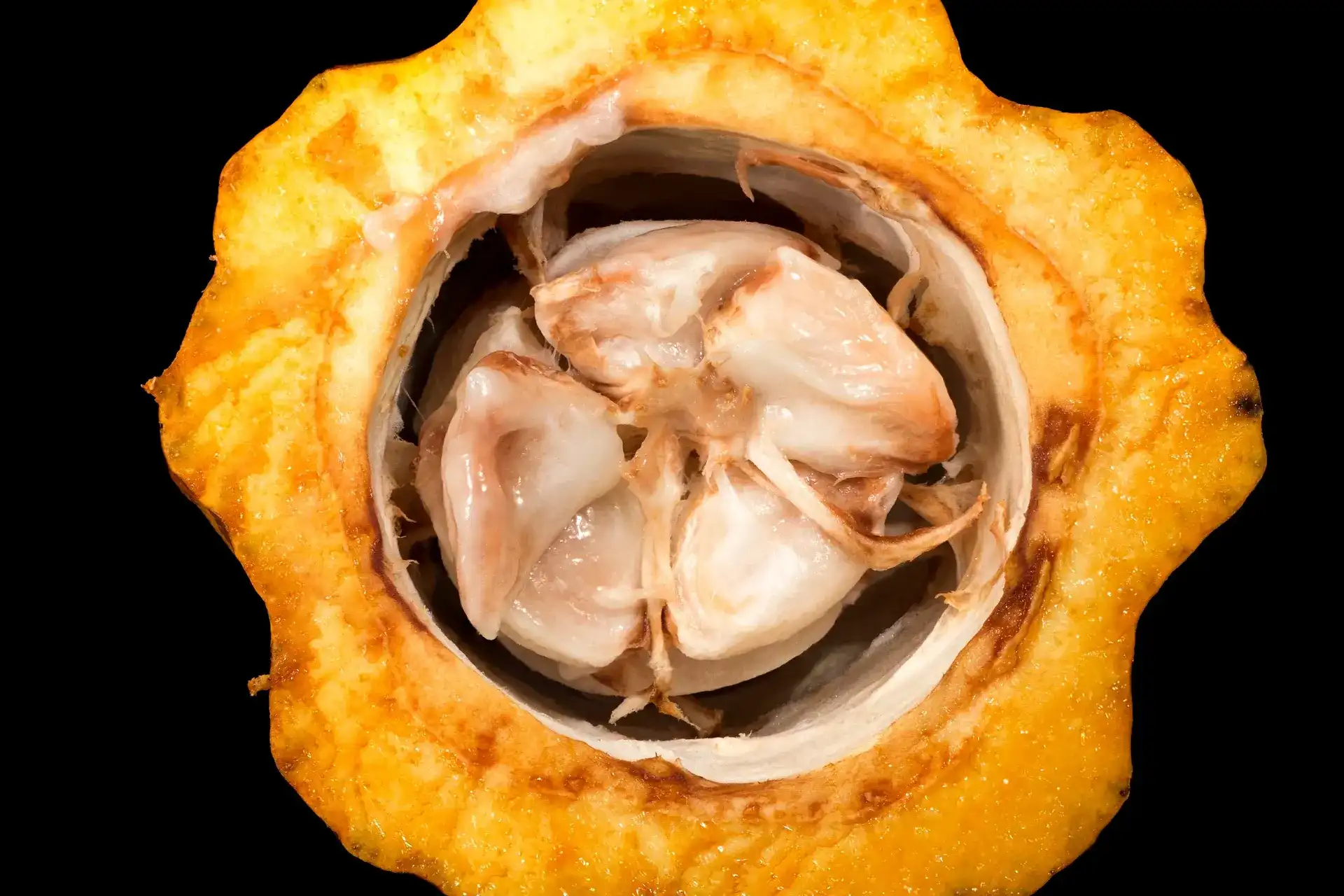
Peru is one of cacao's countries of origin and a recognised producer of fine-flavour cacao. The Cusco region contributes from the warm valleys of La Convención province, where growers cultivate, among others, chuncho cacao, a native variety prized for its aroma. In the city, chocolate has become an experience in itself: workshops where you make your own bar, shops selling origin chocolate and traditional cacao drinks. It's also a family favourite and a great rainy-day activity.
Start here: Cusco tips · things to do in Cusco
Cusco cacao
- La Convención, with Quillabamba as capital, is the region's main cacao area, in lower valleys with a tropical climate.
- Chuncho cacao is a native variety from this area, with small beans and a complex aromatic profile; many growers cultivate it in small plots alongside coffee and fruit.
- Cooperatives and smallholders have focused on quality and careful fermentation and drying, key to the final flavour.
- Quillabamba: the city of eternal summer near Cusco
- Coffee in Cusco: where it comes from, specialty cafés and farm visits
Chocolate workshops
Bean-to-bar workshops are very popular in Cusco. In about two hours they usually include:
- An explanation of the cacao tree, harvest, fermentation and drying.
- Roasting and shelling beans, and traditional grinding on a stone or in a mortar.
- Making pre-Hispanic and colonial-style cacao drinks, with spices or chilli.
- Making your own bar or bonbons with ingredients of your choice to take home.
They suit all ages and are a good option during acclimatisation days or on a rainy afternoon.
- Cusco with kids: altitude, itinerary and family activities
- Cooking classes in Cusco: what to expect, typical dishes and how to choose
What to try
- Hot chocolate: in markets and cafés often made with milk, cinnamon and cloves; at Christmas it's traditional at community chocolatadas.
- Cacao husk tea: light, aromatic and faintly chocolatey, offered at many workshops and shops.
- Cacao nibs: roasted bean pieces to add to yogurt or desserts.
- Chocolates with Andean and Amazonian ingredients: quinoa, kiwicha, golden berry, Maras salt, coffee or fruit.
- San Pedro Market in Cusco: what to eat, what to buy, opening hours and tips
- Cusco festivals: a month-by-month calendar
Choosing chocolate to take home
- Read the label: good dark chocolate has few ingredients (cacao, cocoa butter, sugar) and a clear cacao percentage.
- Look for origin: region, cooperative or variety (e.g. chuncho or La Convención).
- Be wary of chocolate with many additives or vegetable fats other than cocoa butter.
- Chocolate travels well if kept from heat; Cusco's cool climate helps, but in Lima or the jungle it may melt.
A little history
Cacao has a long history in the upper Amazon, and archaeological studies suggest it was first domesticated in the upper Amazon basin, in what is now Ecuador and northern Peru, thousands of years ago. Much later, in colonial times, chocolate became a popular drink among elites. Today Peruvian cacao is exported worldwide and wins international awards for quality.
Chocolate at altitude
Hot chocolate is a comforting drink on Cusco's cold nights. If you're acclimatising, though, avoid very heavy food at night and drink plenty of water.
Cacao drinks and desserts
Beyond bars, cacao turns up in many forms in Cusco. Look for traditional hot chocolate, thicker than in Europe and sometimes spiced with cinnamon or clove; cacao husk tea, mild and aromatic, ideal in the afternoon; and desserts pairing cacao with Andean and Amazonian fruit such as goldenberry, lúcuma or passion fruit. At Christmas the chocolatada is a tradition, with hot chocolate and panettone shared in neighbourhoods and communities.
- What and where to eat in Cusco: typical dishes, markets and tips
- San Pedro Market in Cusco: what to eat, what to buy, opening hours and tips
How to choose a good workshop
- Small groups: you really take part in each step, from roasting beans to moulding your own bar.
- Origin story: a good workshop explains where the cacao comes from and how it works with growers.
- Realistic length: a full workshop usually lasts about 2 hours; very short ones are more of a tasting.
- What you take home: check whether your bars are included and whether you can choose ingredients.
- Language: make sure it runs in a language you understand well.
It's a perfect rainy-day activity or something for your arrival afternoon, when you should take it easy because of the altitude.
- Cusco with kids: altitude, itinerary and family activities
- Altitude sickness in Cusco: how to prevent it and what to do
Frequently asked questions
- What is chuncho cacao?
- A native cacao variety from La Convención province in Cusco, prized for its aroma.
- Is a chocolate workshop in Cusco worth it?
- Yes, especially for families or a rainy day: you learn the process and take your bar home.
Book this plan
- Chocolate workshop in CuscoCompareSee dates →
- Peruvian cooking classCompareSee dates →
Notice: This guide shares advice and recommendations based on research and local experience. Prices, opening hours and rules may change: always check with official sources and operators. Cusco Tips is not responsible for third-party services, bookings or decisions made using these guides; some links are affiliate links (see our affiliate policy).
Related guides
Coffee in Cusco: where it comes from, specialty cafés and farm visits
All about Cusco coffee: the coffee valleys of La Convención and Santa Teresa, its flavour, specialty cafés, cuppings, farm visits on treks and which coffee to take home.
Read guide →
Cooking classes in Cusco: what to expect, typical dishes and how to choose
Peruvian cooking classes in Cusco: market visit, ceviche, lomo saltado, pisco sour, vegetarian options, duration, rough price and tips for choosing a good class.
Read guide →
What to buy in Cusco: authentic souvenirs and what to avoid
The best souvenirs from Cusco: textiles and alpaca, ceramics, retablos, silver, coffee, chocolate, Andean grains and pisco; where to buy, how to bargain and what not to take home.
Read guide →
Cusco with kids: altitude, itinerary and family activities
How to travel to Cusco and Machu Picchu with kids: acclimatisation and health, starting in the Sacred Valley, family activities, tickets and trains, and practical tips.
Read guide →