
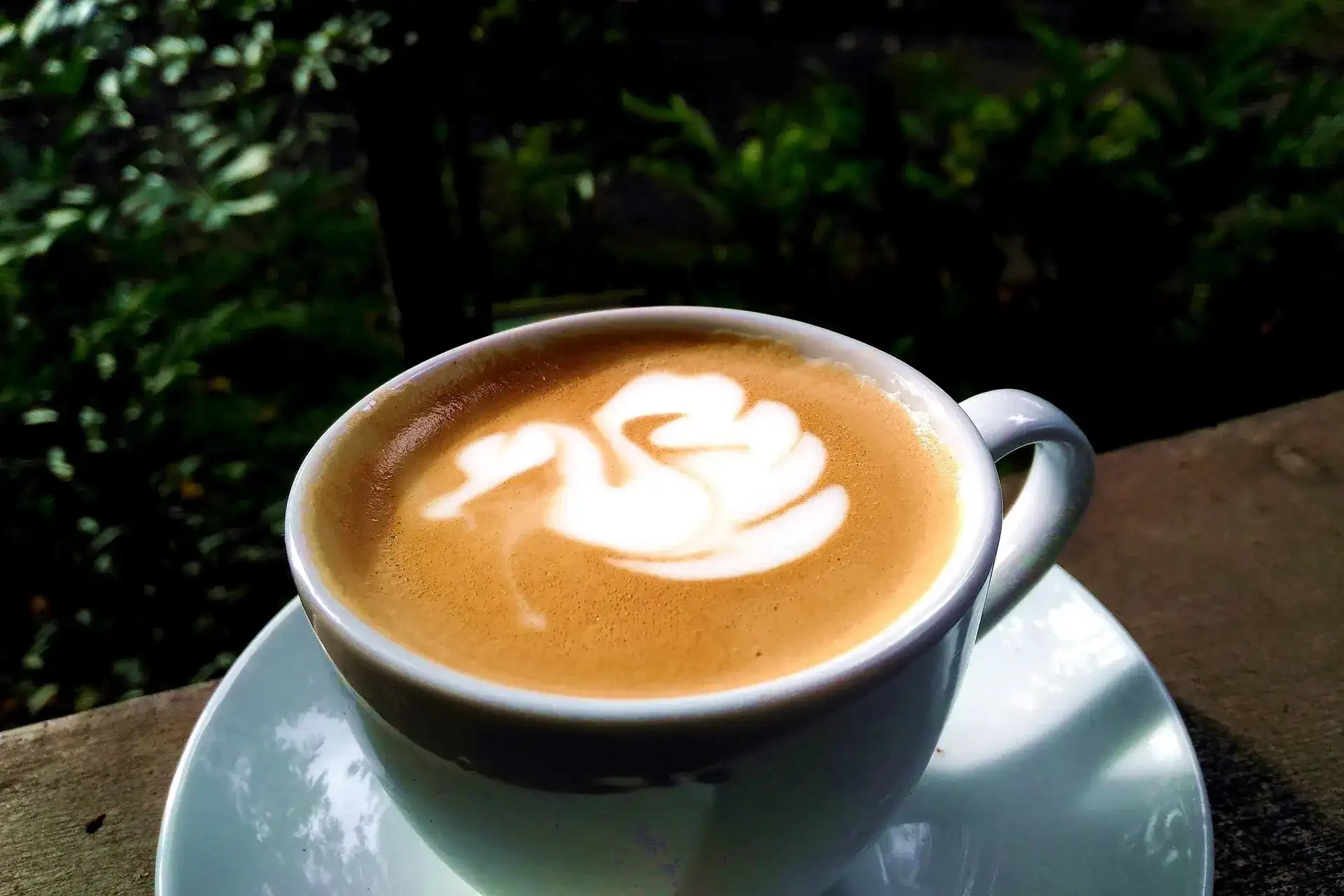
Peru is one of South America's big coffee producers, and the Cusco region has some of its most interesting coffee areas. A few hours from the city, in warm valleys descending towards the Amazon, smallholders grow arabica on mountain slopes, often organically and in shaded agroforestry systems. In recent years Cusco has seen a growing specialty café scene where you can try these coffees as filter, espresso or the traditional "pasado".
Start here: Cusco tips · things to do in Cusco
Where Cusco coffee comes from
- La Convención: the province north of Cusco, with Quillabamba as capital, is the region's main coffee area. Its warm valleys combine coffee, cacao, tropical fruit and tea.
- Santa Teresa and the lower Vilcanota valley: crossed by the Salkantay and Inca Jungle routes, with small farms that often welcome visitors.
- Lares and other Amazon-side valleys: with growing production and high-grown coffees.
Coffee is grown roughly between 1,000 and 2,000 m, in a climate allowing slow bean ripening.
- Quillabamba: the city of eternal summer near Cusco
- Machu Picchu via Hidroeléctrica and Santa Teresa: the budget route step by step
- Lares Trek to Machu Picchu: route, difficulty, communities and comparison
What it tastes like
Coffees from the region are generally described as smooth and balanced, with moderate acidity and notes that may recall chocolate, panela, nuts or fruit depending on variety, altitude and process. Common varieties are traditional arabicas like typica, caturra and bourbon, plus newer ones. Specialty coffees are graded on cup quality and usually state producer, farm, altitude and process (washed, natural, honey).
Specialty cafés in Cusco
In the historic centre and neighbourhoods like San Blas there are cafés working with Cusco and Peruvian coffees, roasting their own beans and offering various brew methods. We don't recommend specific places because they change often, but these clues help you find good ones:
- They state the coffee's origin (region, producer or farm) and roast.
- They offer filter methods like V60, Chemex or French press as well as espresso.
- They sell their coffee as beans or ground to take away.
- Staff can explain the differences between their coffees.
"Café pasado"
The traditional way many Peruvian homes drink coffee is café pasado: a slowly filtered concentrate mixed with hot water or milk. Try it at markets and local restaurants.
- San Blas, Cusco's artisan quarter: what to see, viewpoints and tips
- San Pedro Market in Cusco: what to eat, what to buy, opening hours and tips
Cuppings and workshops
Some cafés and roasters run cuppings and barista or brew-method workshops — a fun way to learn to tell aromas and processes apart. There are also workshops covering the whole process from green bean to roast, sometimes combined with chocolate.
- Chocolate and cacao in Cusco: workshops, chuncho cacao and what to buy
- Cooking classes in Cusco: what to expect, typical dishes and how to choose
Visiting a coffee farm
- On the Salkantay and Inca Jungle treks it's common to stop at a small farm around Santa Teresa to see harvesting, pulping, drying and artisan roasting, and taste fresh coffee.
- In La Convención province there are producers and cooperatives that welcome visitors; it takes more time, being several hours from Cusco.
- The main harvest usually runs April to September, varying with altitude.
- Salkantay Trek to Machu Picchu: route, difficulty, best season and how to plan it
- Inca Jungle Trek: biking, rafting, ziplining and hiking to Machu Picchu
Which coffee to take home
- Buy freshly roasted beans with a visible date if you have a grinder at home.
- Look for bags stating origin (Cusco, La Convención, Quillabamba), altitude and process.
- Vacuum-packed or valve bags travel better.
- Check your country's import rules: roasted coffee for personal use is generally allowed.
Coffee and altitude
If you've just arrived in Cusco and feel the altitude, go easy on coffee: it can disrupt sleep and dehydrate. Coca tea or herbal infusions are a good alternative in the first days.
- Altitude sickness in Cusco: how to prevent it and what to do
- Coca leaf in Cusco: tea, chewing, altitude sickness and whether you can take it home
How to order coffee in Cusco
Specialty cafés have the usual menu (espresso, americano, cappuccino, filter), but in traditional restaurants and markets coffee may come differently. Sometimes you get a small jug of concentrated essence to mix with hot water, or instant coffee with water and milk on the side. For freshly made coffee, ask whether it's "café pasado" or "café filtrado". Evaporated milk is common in many places.
Frequently asked questions
- Does Cusco produce coffee?
- Yes, mainly in La Convención province and valleys like Santa Teresa and Lares.
- Can you visit a coffee farm from Cusco?
- Yes, many trekking routes to Machu Picchu stop at farms around Santa Teresa.
- What is café pasado?
- A slowly filtered coffee concentrate mixed with hot water or milk, traditional in Peru.
Book this plan
- Chocolate workshop in CuscoCompareSee dates →
- Cusco food tourCompareSee dates →
Notice: This guide shares advice and recommendations based on research and local experience. Prices, opening hours and rules may change: always check with official sources and operators. Cusco Tips is not responsible for third-party services, bookings or decisions made using these guides; some links are affiliate links (see our affiliate policy).
Related guides

Chocolate and cacao in Cusco: workshops, chuncho cacao and what to buy
Chocolate guide to Cusco: cacao from La Convención and the native chuncho variety, bean-to-bar workshops, cacao husk tea and how to choose chocolate to take home.
Read guide →
What and where to eat in Cusco: typical dishes, markets and tips
Cusco dishes worth trying, typical drinks, types of places to eat, markets and food-safety tips at altitude.
Read guide →
What to buy in Cusco: authentic souvenirs and what to avoid
The best souvenirs from Cusco: textiles and alpaca, ceramics, retablos, silver, coffee, chocolate, Andean grains and pisco; where to buy, how to bargain and what not to take home.
Read guide →
Salkantay Trek to Machu Picchu: route, difficulty, best season and how to plan it
Salkantay Trek guide: 4–5 day route over a pass of about 4,600 m, Humantay Lake, cloud forest, arrival in Aguas Calientes, difficulty, best season and agency vs independent.
Read guide →