
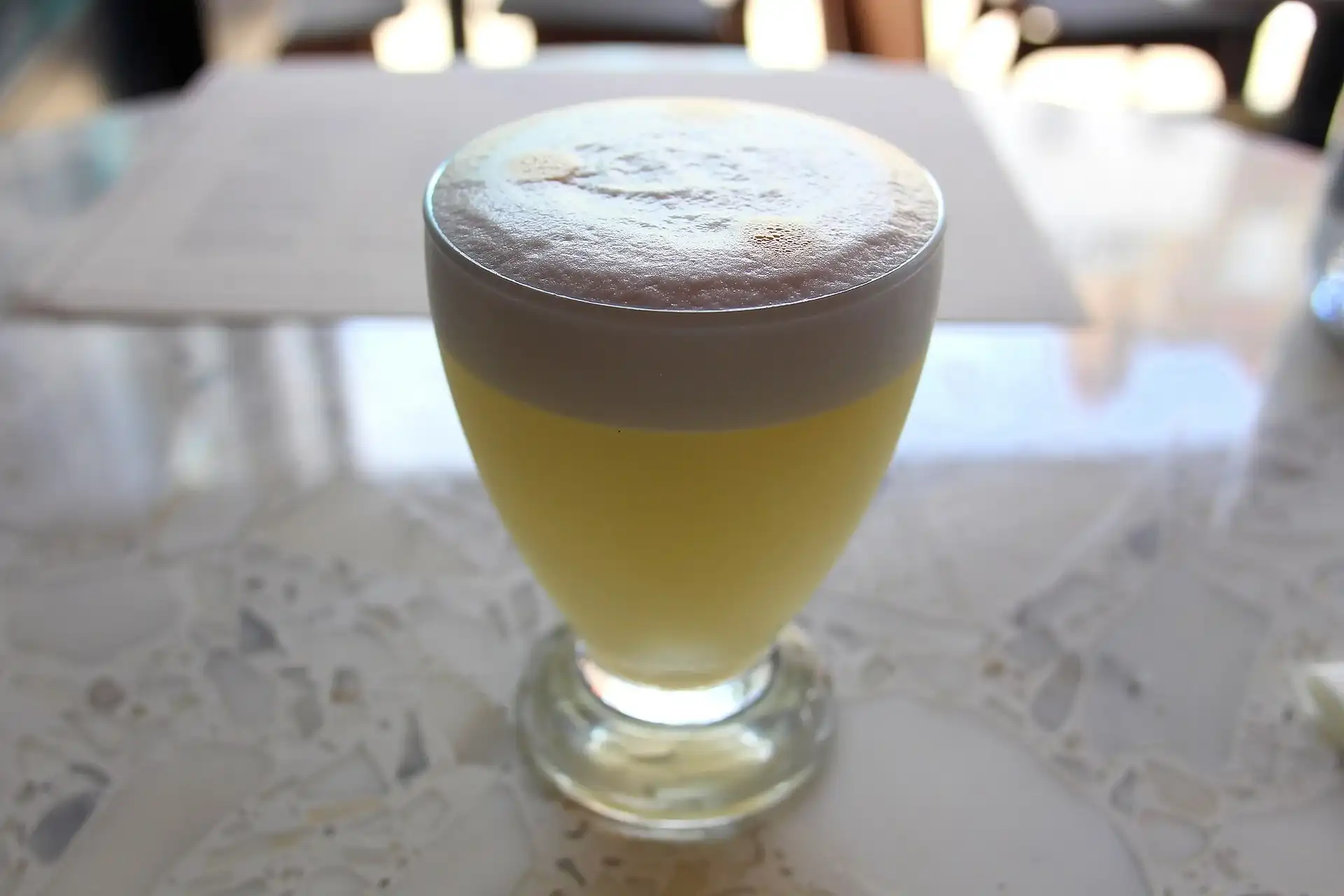
Pisco is Peru's emblematic grape brandy, and a good pisco sour in Cusco is almost a ritual for travellers. But pisco is much more than a cocktail: there are several styles, grapes with very different personalities and bars that treat it with the care of fine wine. This guide helps you understand it, order wisely and enjoy it without the altitude catching you out.
Start here: Cusco tips · things to do in Cusco
What pisco is
Pisco is a spirit distilled from fermented grape must, made in valleys on Peru's southern coast in regions such as Ica, Lima, Arequipa, Moquegua and Tacna. It has a protected designation of origin in Peru and strict rules: it's distilled to final strength with no water added, and rested in containers that don't change its flavour, such as steel or glass — not wooden barrels. The name is linked to the port of Pisco, from which it was shipped in colonial times. Peru and Chile have long disputed its origin, but in Peru it's a true source of national pride.
Popular activities on GetYourGuide
Types of pisco
- Pisco puro: made from a single grape variety. With a non-aromatic grape like quebranta it's more neutral — the classic base for a pisco sour.
- Aromatic pisco: from grapes such as italia, torontel, moscatel or albilla, with intense floral and fruity aromas. Ideal neat.
- Acholado: a blend of varieties, balanced and versatile.
- Mosto verde: distilled before fermentation finishes, giving a softer, silkier body. Usually pricier.
How to taste it
Drink it neat, at room temperature, in a small glass. Smell first, take a small sip and hold it for a few seconds. Good pisco shouldn't burn too much.
Pisco cocktails
- Pisco sour: pisco, lime juice, simple syrup, egg white and a few drops of Angostura bitters. The national cocktail.
- Chilcano: pisco with ginger ale, lime and ice. Lighter and refreshing.
- Fruit sours: with passion fruit, goldenberry, coca or Amazonian fruit, very popular in Cusco.
- Capitán: pisco with vermouth, a lesser-known classic.
- Pisco tonic and other signature mixes.
Egg white
A pisco sour contains raw egg white. If you're pregnant, immunocompromised or have a sensitive stomach, ask for it without egg.
How to choose a good pisco bar
We don't recommend specific places because they change often, but the historic centre and San Blas have bars specialising in pisco and Peruvian cocktails. Signs of a good spot:
- The menu lists producers, grape varieties and pisco types.
- They offer tasting flights of three or four piscos.
- Staff can explain the differences and recommend according to your taste.
- They squeeze lime juice fresh rather than using pre-made mixes.
Be wary of super-cheap "happy hour" cocktails: they often use poor-quality pisco or mixes.
- Cusco nightlife: areas, live music, peñas and how to go out safely
- San Blas, Cusco's artisan quarter: what to see, viewpoints and tips
Tastings and pisco sour classes
Many bars and cooking schools run short pisco sour classes and guided tastings. In an hour or two you learn the styles, make your own cocktails and often get something to eat. It's a fun activity for a rainy afternoon or arrival day, if you go easy on the drinking.
Drinking at altitude
Alcohol hits harder at 3,400 m than at sea level, and it can worsen altitude sickness and dehydrate you. For your first two days, avoid or strictly limit alcohol. After that, drink in moderation, alternate with water, don't drink on an empty stomach and don't mix it with altitude medication without medical advice. If you have a trek or an early Machu Picchu start the next day, save the pisco for another night.
Buying pisco to take home
- Buy from established shops or supermarkets and check the bottle has a clear label and health registration.
- On flights, pisco must go in checked luggage, well wrapped.
- Check how much alcohol your country allows you to bring in.
Dates to celebrate pisco
Peru celebrates Pisco Sour Day, usually on the first Saturday of February, and National Pisco Day on the fourth Sunday of July. Some bars hold special events and offers.
Frequently asked questions
- What's the difference between pisco puro, acholado and mosto verde?
- Puro uses a single grape variety; acholado blends several; mosto verde is distilled before fermentation finishes and is smoother.
- Is it safe to drink a pisco sour?
- Yes, in reputable places. It contains raw egg white: if you're sensitive, ask for it without egg.
- Can I drink alcohol when I arrive in Cusco?
- Better to avoid it for the first days, as it can worsen altitude sickness. After that, drink moderately with plenty of water.
- Are there pisco sour classes in Cusco?
- Yes, many bars and schools offer one- to two-hour classes and tastings.
Book this plan
- Cusco food tourCompareSee dates →
- Peruvian cooking classCompareSee dates →
Notice: This guide shares advice and recommendations based on research and local experience. Prices, opening hours and rules may change: always check with official sources and operators. Cusco Tips is not responsible for third-party services, bookings or decisions made using these guides; some links are affiliate links (see our affiliate policy).
Related guides

Cusco nightlife: areas, live music, peñas and how to go out safely
A responsible guide to Cusco nightlife: where people go out (Plaza de Armas, San Blas), folk peñas, pisco bars and live music, altitude and alcohol, and safety tips.
Read guide →
What and where to eat in Cusco: typical dishes, markets and tips
Cusco dishes worth trying, typical drinks, types of places to eat, markets and food-safety tips at altitude.
Read guide →
Altitude sickness in Cusco: how to prevent it and what to do
Cusco sits at about 3,400 m. Altitude sickness symptoms, warning signs, how to acclimatize, coca tea, medication and when to do the highest day trips.
Read guide →
Eating guinea pig (cuy) in Cusco: what it is, how it's cooked and where to try it
All about cuy in Cusco: its cultural role in the Andes, oven-roasted and fried cuy, how to eat it, what kind of places serve it, rough prices and alternatives if you'd rather not.
Read guide →