
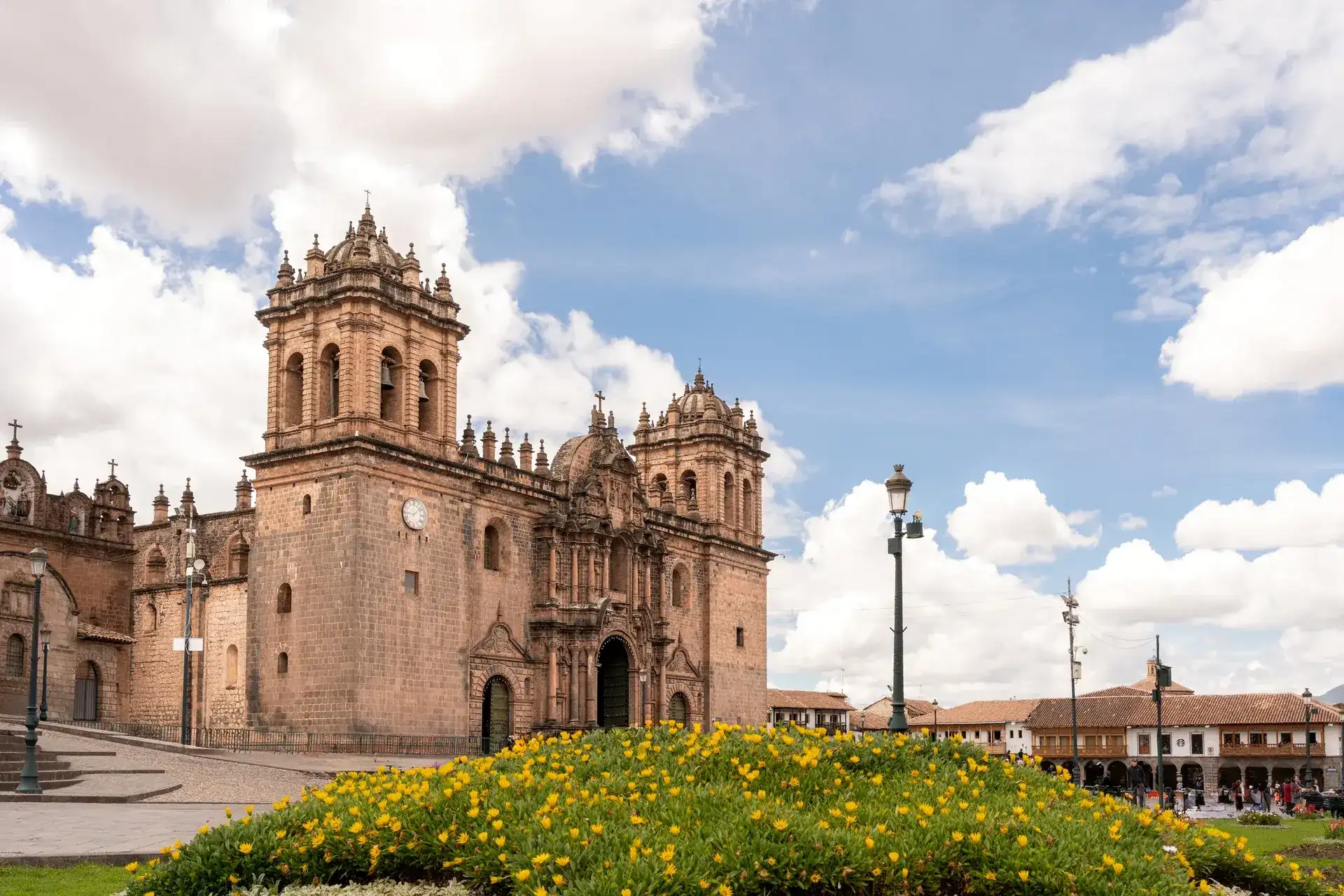
The Inka Museum is the best introduction to Andean culture you'll find in central Cusco. One block from the Plaza de Armas, in a colonial mansion, it brings together ceramics, metalwork, textiles, ceremonial cups, mummies and models that help you understand who the Incas were, how they lived and which peoples came before them. If you're heading to Machu Picchu, Sacsayhuamán or the Sacred Valley, spending an hour and a half here first makes everything you see afterwards far more meaningful.
Start here: Cusco tips · things to do in Cusco
Where it is and who runs it
The museum occupies the Casa del Almirante on Cuesta del Almirante, the steep street climbing from the corner of the Cathedral towards San Blas. The mansion stands on Inca foundations, with a central courtyard, stone galleries and a carved coat-of-arms doorway worth a look before you go in. It's run by the National University of San Antonio Abad of Cusco, which also manages the Machu Picchu Museum in Casa Concha. The house was damaged by the earthquakes that struck the city and restored several times, so the building itself is part of the visit.
- Plaza de Armas in Cusco: history, what to see around it and practical tips
- Machu Picchu Museum Casa Concha in Cusco: the pieces returned by Yale
Popular activities on GetYourGuide
What's in the galleries
The route is roughly chronological. It starts with the region's pre-Inca cultures, such as the peoples of the Cusco valley before the Inca expansion and Wari influence, and moves through the Inca period into colonial times. Highlights include:
- Ceramics: aríbalos, plates and vessels with the geometric designs typical of imperial Inca style.
- Keros: wooden ceremonial cups for drinking chicha in rituals; colonial-era ones show painted scenes with Inca and Spanish figures.
- Metalwork: small gold, silver and bronze figurines, tools and ornaments.
- Textiles: fragments with Andean iconography, one of the arts the Incas valued most.
- Quipus: knotted cords used to keep numerical records.
- Models and maps explaining how the empire and the city of Cusco were organised.
Mummies and trepanned skulls
One of the most talked-about rooms holds mummies and human remains. It displays funerary bundles and skulls with traces of trepanation, an Andean surgical practice of drilling the skull; many show signs of healing, meaning the patient survived. There are also skulls with intentional cranial shaping. It's a striking room but presented respectfully; if you're travelling with young children, decide whether you want to go in with them.
The courtyard and weavers
Weavers from nearby communities sometimes work in the central courtyard, showing spinning and natural dyeing. If you want to buy something, ask calmly about the working time and materials; a handwoven piece in alpaca wool with natural dyes takes weeks, and that's reflected in the price.
Practical information
- Entry: it has its own ticket and isn't included in the Cusco Tourist Ticket. The price is moderate and may change; check at the ticket desk or on the university's official channels.
- Hours: usually open during the day, with times that can vary on holidays. Confirm before you go.
- Time: one to one and a half hours for an unhurried visit.
- Signage: most texts are in Spanish and English.
- Photos: some rooms restrict photography, especially flash. Follow the signs.
- Accessibility: there are stairs and uneven floors in this old mansion.
- Cusco Tourist Ticket (Boleto Turístico): what's included and is it worth it
- The best museums in Cusco: which to visit, tickets and how to plan
When to go
Go first thing in the morning or mid-afternoon, when there are fewer groups. It's an ideal first-day plan in Cusco while you acclimatise: central, physically easy and great preparation for the ruins. It's also a good refuge on a rainy afternoon in the wet season.
- Altitude sickness in Cusco: how to prevent it and what to do
- Rainy season in Cusco and Machu Picchu: what to expect and how to make the most of it
How to combine it
A comfortable half-day route links three very different museums within a few blocks:
- Inka Museum, for Andean history in context.
- Pre-Columbian Art Museum, on Plaza de las Nazarenas, for pre-Hispanic pieces shown as works of art.
- Machu Picchu Museum in Casa Concha, for objects excavated at the citadel.
Afterwards walk up to San Blas or down to Qorikancha.
- Museum of Pre-Columbian Art Cusco (MAP): what to see and how to visit
- Machu Picchu Museum Casa Concha in Cusco: the pieces returned by Yale
- Qorikancha, the Temple of the Sun: tickets, hours, what to see and history
- San Blas, Cusco's artisan quarter: what to see, viewpoints and tips
Guided or on your own?
Gallery texts are enough to visit on your own. Still, a guided visit or a good book on the Incas adds context on ceramic and kero iconography. Many city tours cover other sites but not this museum, so you'll usually visit independently.
Frequently asked questions
- Is the Inka Museum in the Tourist Ticket?
- No. It has its own entry; check the current price at the desk.
- How long do I need?
- One to one and a half hours.
- Where is the Inka Museum?
- On Cuesta del Almirante, one block from the Plaza de Armas, in the Casa del Almirante.
- Are there mummies at the Inka Museum?
- Yes, there's a room with funerary bundles, mummies and trepanned skulls.
Book this plan
- City tour of the Tourist Ticket sitesCompareSee dates →
- Cusco walking tourCompareSee dates →
Notice: This guide shares advice and recommendations based on research and local experience. Prices, opening hours and rules may change: always check with official sources and operators. Cusco Tips is not responsible for third-party services, bookings or decisions made using these guides; some links are affiliate links (see our affiliate policy).
Related guides
Things to do in Cusco: 30 essentials in the city and beyond
Things to do in Cusco: the city's essentials, Machu Picchu, the Sacred Valley, day trips, treks, food, markets and festivals, with 1- to 3-day plans.
Read guide →
The best museums in Cusco: which to visit, tickets and how to plan
Inka Museum, Pre-Columbian Art Museum, Machu Picchu Museum at Casa Concha, Tourist Ticket museums and religious art: what each offers and how to combine them.
Read guide →
Museum of Pre-Columbian Art Cusco (MAP): what to see and how to visit
Guide to Cusco's Museum of Pre-Columbian Art on Plaza de las Nazarenas: ceramics, gold and silver, Nasca, Moche, Chimú and Inca art, visit time and tips.
Read guide →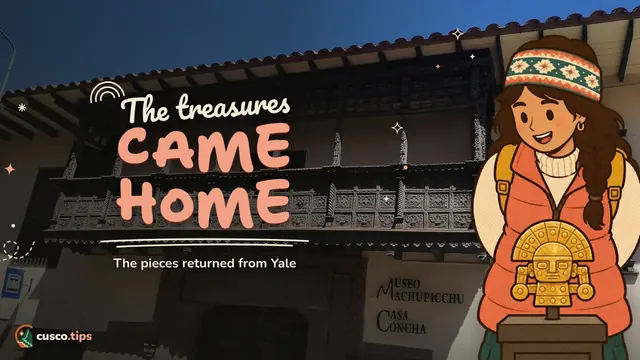
Machu Picchu Museum Casa Concha in Cusco: the pieces returned by Yale
Guide to the Machu Picchu Museum in Cusco's Casa Concha: the story of the pieces returned by Yale, what the galleries show, how long to spend and how to pair it with your trip.
Read guide →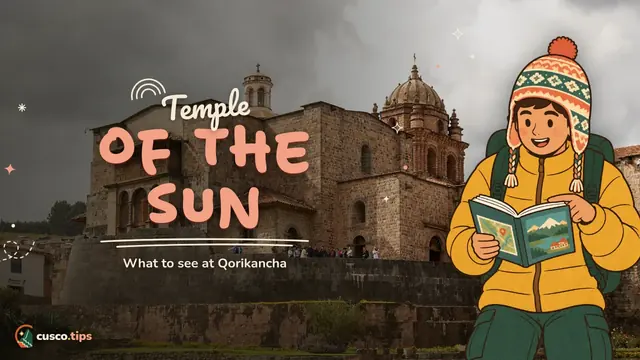
Qorikancha, the Temple of the Sun: tickets, hours, what to see and history
Visiting Qorikancha and Santo Domingo convent in Cusco: the finest Inca stonework, which ticket you pay, approximate hours, the site museum and tips.
Read guide →