
The Museum of Pre-Columbian Art, known as MAP, offers something different from history museums: it invites you to look at ancient Peruvian objects as works of art. Instead of crowded cases you'll find carefully designed rooms, good lighting and a selection of ceramics, metal, wood and shell from several cultures that flourished before and during the Inca empire. It's a small, elegant museum, ideal for one or two hours and easy to combine with other sights in the centre.
Start here: Cusco tips · things to do in Cusco
Where it is
MAP is on Plaza de las Nazarenas, a quiet little square a few steps from the Plaza de Armas, uphill behind the Cathedral. It occupies the Casa Cabrera, a colonial mansion built on Inca walls, with a central courtyard ringed by arches. The square has other historic stone façades and is one of the prettiest corners in town, so pause a moment before going in.
- Plaza de Armas in Cusco: history, what to see around it and practical tips
- San Blas, Cusco's artisan quarter: what to see, viewpoints and tips
Popular activities on GetYourGuide
Where the collection comes from
The pieces come from the holdings of the Larco Museum in Lima, one of the country's great private collections of pre-Columbian art. Cusco shows a selection chosen to highlight the objects' aesthetic value, with short texts in each room and quotes from artists and critics reflecting on ancient art. The result is more contemplative than academic, ideal if you're into design, form and colour.
Cultures you'll see
The exhibition spans cultures from different regions and eras of ancient Peru. Some usually represented:
- Nasca: polychrome ceramics with animals, plants and mythical beings.
- Moche: sculptural vessels and portraits of surprising realism.
- Wari: geometric designs and a strong influence across the southern Andes, including Cusco.
- Chimú: goldwork and black ceramics from the north coast.
- Chancay: simple, expressive ceramic figures.
- Inca: metal and ceramic objects in imperial style.
Gallery highlights
- Gold and silver room: ornaments, ear spools, nose rings and ceremonial pieces showing Andean metallurgical mastery. Usually the most impressive room.
- Sculptural ceramics: vessels shaped like people, animals and everyday scenes.
- Wood and shell: lesser-known objects, such as carvings and pieces of spondylus shell, highly prized in the Andean world.
- Inca art: pieces that connect with what you'll see later at Machu Picchu, Qorikancha or Sacsayhuamán.
- Qorikancha, the Temple of the Sun: tickets, hours, what to see and history
- Sacsayhuamán: how to visit, tickets, history and tips
Practical information
- Entry: its own ticket, not included in the Cusco Tourist Ticket. Prices may change; check at the desk or on the museum's official channels.
- Hours: usually open daily with long hours into the evening, unusual in Cusco. Confirm current times before you go.
- Time: one to two hours.
- Languages: texts in Spanish and English.
- Photos: follow the signs; no flash near delicate pieces.
- Cusco Tourist Ticket (Boleto Turístico): what's included and is it worth it
- The best museums in Cusco: which to visit, tickets and how to plan
When to go
Thanks to its long hours, MAP is a good option for late afternoon, after other museums and sites have closed. It's also a calm plan for your first acclimatisation day or a rainy afternoon. Early in the day it's usually very quiet.
- Altitude sickness in Cusco: how to prevent it and what to do
- Rainy season in Cusco and Machu Picchu: what to expect and how to make the most of it
How to combine it
- With the Inka Museum, a couple of blocks away: one gives historical context, the other an artistic view.
- With the Machu Picchu Museum in Casa Concha, to complete the central museum route.
- With a stroll through San Blas via Hatun Rumiyoc street and the twelve-angled stone.
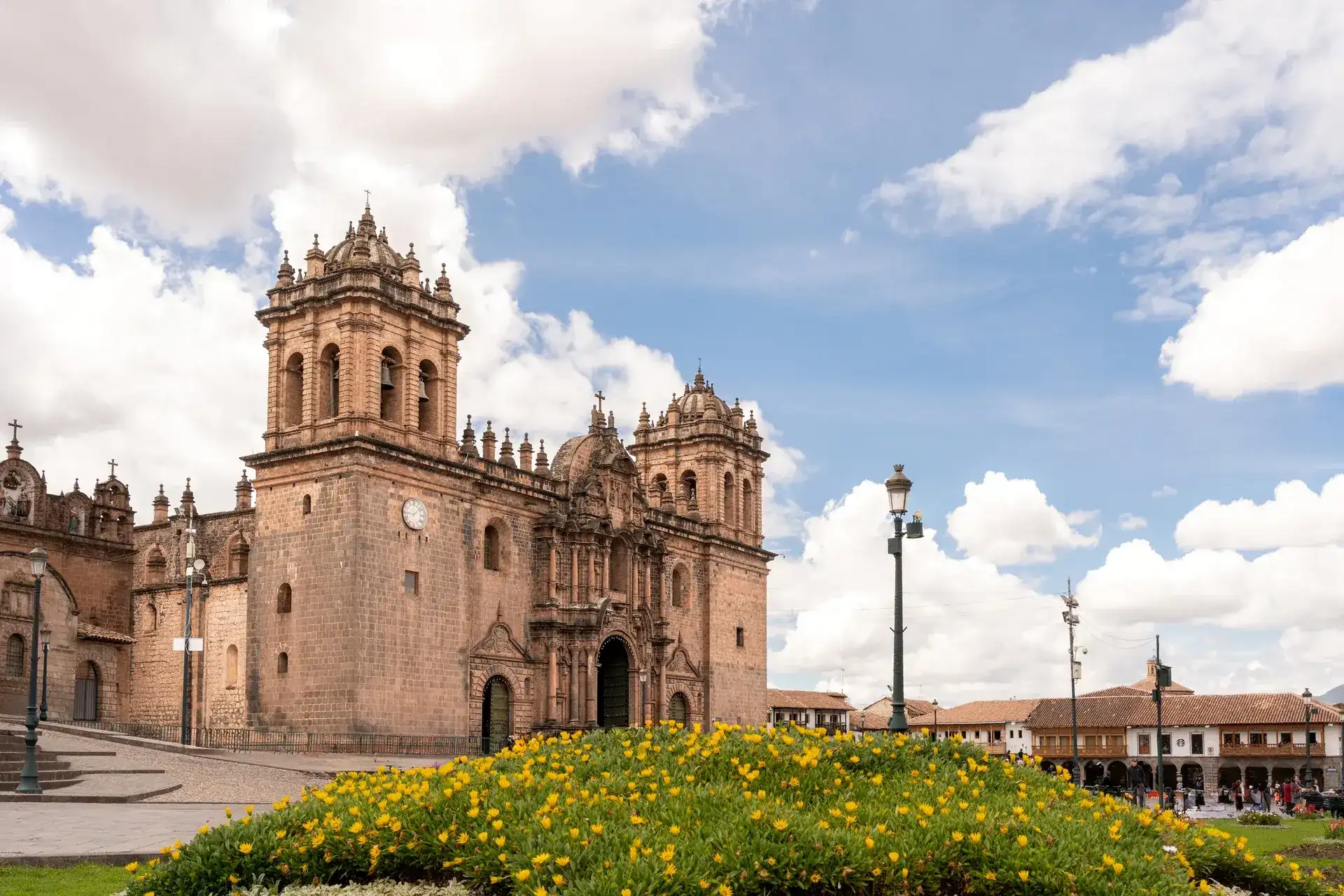
- With the Cathedral and Plaza de Armas, steps away.
- Inka Museum Cusco: what to see, mummies, ceramics and how to visit
- Machu Picchu Museum Casa Concha in Cusco: the pieces returned by Yale
- Cusco Cathedral: what to see inside, the Last Supper with guinea pig, tickets and hours
Who is it for?
It's especially worthwhile if you like art, design or photography, if you're short on time and want a brief but high-quality visit, or if you've seen other history museums and want a different perspective. With kids, the gold and silver room and animal-shaped vessels usually hold their attention.
Tips
- Read the quotes in each room: they help you see the pieces differently.
- Don't rush; this museum rewards a slow pace.
- If you want to go deeper, note the cultures you like most and look them up later in academic sources.
The building
Casa Cabrera is itself part of the visit. Notice the Inca walls at the base, the colonial courtyard and the transition between eras, the same layering of cultures you'll see at Qorikancha and in so many streets of Cusco's historic centre.
Frequently asked questions
- What is MAP in Cusco?
- The Museum of Pre-Columbian Art on Plaza de las Nazarenas, showing ancient Peruvian pieces as works of art.
- Is it in the Tourist Ticket?
- No. It has its own entry; check the current price.
- How long do I need?
- One to two hours.
- Where do the pieces come from?
- From the Larco Museum collection in Lima.
Book this plan
- City tour of the Tourist Ticket sitesCompareSee dates →
- Cusco walking tourCompareSee dates →
Notice: This guide shares advice and recommendations based on research and local experience. Prices, opening hours and rules may change: always check with official sources and operators. Cusco Tips is not responsible for third-party services, bookings or decisions made using these guides; some links are affiliate links (see our affiliate policy).
Related guides
Inka Museum Cusco: what to see, mummies, ceramics and how to visit
Guide to the Inka Museum in Cusco's Casa del Almirante: ceramics, textiles, keros and mummies, how long to spend, approximate entry and how to pair it with other museums.
Read guide →
The best museums in Cusco: which to visit, tickets and how to plan
Inka Museum, Pre-Columbian Art Museum, Machu Picchu Museum at Casa Concha, Tourist Ticket museums and religious art: what each offers and how to combine them.
Read guide →
Machu Picchu Museum Casa Concha in Cusco: the pieces returned by Yale
Guide to the Machu Picchu Museum in Cusco's Casa Concha: the story of the pieces returned by Yale, what the galleries show, how long to spend and how to pair it with your trip.
Read guide →
San Blas, Cusco's artisan quarter: what to see, viewpoints and tips
Guide to Cusco's San Blas neighbourhood: the church and its carved pulpit, the little plaza, artisan workshops, Hatun Rumiyoc street, viewpoints, nightlife and whether to stay there.
Read guide →