
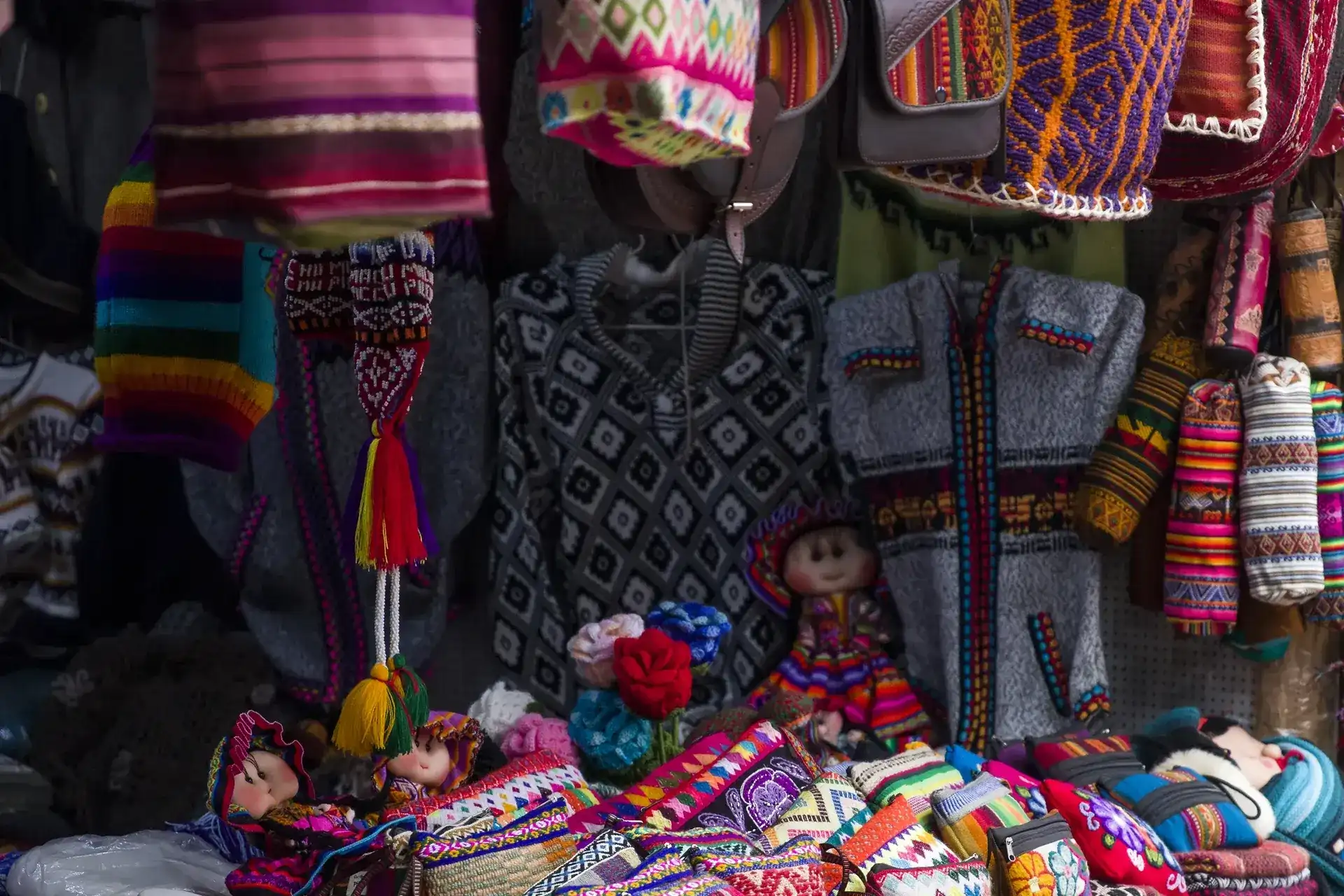
Staying in a family home is one of the most authentic ways to get to know Cusco. There are two main options: staying with a family in the city, common among Spanish students and volunteers, or spending one or two nights in an Andean community in the Sacred Valley through what's called community-based or experiential tourism. Either way you share meals, conversations and part of everyday life. This guide explains how each option works, what's included, what to expect and how to choose an experience that genuinely benefits your hosts.
Start here: Cusco tips · things to do in Cusco
Homestays in the city
Many Spanish schools in Cusco offer family homestays as part of their programmes. They usually include a private room, breakfast and sometimes dinner, and the chance to practise the language every day. Ideal for stays of a week or more.
- Pros: language immersion, reasonable prices, family support to find your way around.
- Keep in mind: house schedules and rules, sometimes a shared bathroom, a location that may be outside the centre.
- Learning Spanish in Cusco: schools, formats, homestays and volunteering
- Cusco for digital nomads: internet, neighbourhoods, coworking and daily life
Community tourism in Andean villages
In several Sacred Valley communities, families welcome visitors into their homes and share farming, traditional cooking, weaving and ceremonies such as the offering to the earth. One example is Misminay, a community near Moray on the Maras plateau that offers one- or two-night stays with local families. Near Ollantaytambo, the community of Huilloc also welcomes visitors, including glamping-style accommodation run with local families.
Before you go
Community tourism offers change with the seasons. Confirm availability and conditions directly with the community or a trusted agency, and check opening hours before you go.
- Moray and the Maras salt mines: how to visit from Cusco or the Sacred Valley
- Ollantaytambo: ruins, a living Inca town, the Machu Picchu train and tips
- Pachamama in August: offerings to Mother Earth in Cusco
What's usually included
- Simple accommodation in the family home or in rooms built for visitors.
- Home-cooked meals with produce from the fields: native potatoes, quinoa, broad beans, maize, soups.
- Activities: farm work depending on the season, herding, weaving, cooking, walks around the area.
- Sometimes transfers from Cusco or Urubamba.
- Native potatoes of Cusco: varieties, chuño and dishes to try
- Andean textiles in Cusco: weaving workshops, weaving communities and buying well
What to expect
- Basic comforts: showers with limited hot water, cold nights and few distractions. Bring warm clothes.
- Rural rhythm: early to rise and early to dinner.
- Language: many families speak Quechua and Spanish. A few words of Quechua open hearts.
- Altitude: some communities are above 3,500 metres.
- Basic Quechua phrases for your trip to Cusco (with pronunciation)
- Altitude sickness in Cusco: how to prevent it and what to do
A typical day in a community
- Mid-morning arrival: the family welcomes you, often with muña or coca tea, and shows you your room.
- Home-cooked lunch: soup, native potatoes and a stew, made in the family kitchen.
- Afternoon in the fields: depending on the season, sowing, harvesting or herding sheep and llamas.
- Weaving workshop: the women explain how they spin, dye with plants and weave their designs.
- Early dinner and conversation: around the stove, with stories about community life.
- Next morning: breakfast, a walk around the area and farewells.
How to book
You can contact community initiatives that have a website or social media directly, or book through Cusco agencies that work with communities. Always ask exactly what's included, what the accommodation is like, whether transfers are provided and what the cancellation policy is. Be wary of very cheap offers promising "authentic" experiences in a few hours.
How to choose a respectful experience
- Prefer initiatives run by the community itself or with clear agreements ensuring the money reaches families.
- Ask what share of the price the community receives.
- Avoid rushed visits that are just photo stops.
- Ask permission before photographing people.
- Buy crafts directly from the makers.
- Ethical shopping in Cusco: fair trade, cooperatives and weavers
- How to choose a tour agency in Cusco: a checklist to get it right
What to bring
- Warm clothes, a hat and a light sleeping bag if you feel the cold.
- A head torch.
- Sunscreen and a hat.
- Cash in small notes to buy crafts.
- A small gift for the family, such as fruit or school supplies for the children, rather than sweets.
How to fit it into your trip
A night in a Sacred Valley community fits well between visiting Moray, Maras or Chinchero and the train to Machu Picchu from Ollantaytambo. Sleeping a little lower than Cusco, at a calm pace, also helps you acclimatise.
- Where to stay in the Sacred Valley: Pisac, Urubamba, Ollantaytambo and more
- Where to stay in Ollantaytambo: areas, pros and when it makes sense
Travel insurance
Communities are often far from hospitals. Travel with medical insurance that covers rural areas and outdoor activities.
Frequently asked questions
- What is community tourism in Cusco?
- A form of tourism where you stay with families in Andean communities and share their daily life.
- Where can I do community tourism near Cusco?
- In Sacred Valley communities such as Misminay, near Moray, or Huilloc, near Ollantaytambo, among others.
- Is staying in a family home comfortable?
- Comforts are basic; the experience is worth it if you go with realistic expectations and warm clothes.
- Do Spanish schools offer family homestays?
- Yes, many include them in their programmes or arrange them separately.
Book this plan
- Cusco city tourCompareSee dates →
- Sacred Valley tourCompareSee dates →
Notice: This guide shares advice and recommendations based on research and local experience. Prices, opening hours and rules may change: always check with official sources and operators. Cusco Tips is not responsible for third-party services, bookings or decisions made using these guides; some links are affiliate links (see our affiliate policy).
Related guides
Learning Spanish in Cusco: schools, formats, homestays and volunteering
How to study Spanish in Cusco: course types, private or group classes, homestays, cultural activities, volunteering, rough prices and how to choose a school.
Read guide →
Andean textiles in Cusco: weaving workshops, weaving communities and buying well
Guide to Andean textiles in Cusco: techniques and natural dyes, the meaning of designs, workshops and classes, visits to weaving communities, yarn for knitters and spotting handmade pieces.
Read guide →
Ethical shopping in Cusco: fair trade, cooperatives and weavers
How to buy crafts in Cusco that benefit the people who make them: weaving cooperatives, the Centro de Textiles Tradicionales, buying direct and what to avoid.
Read guide →
Moray and the Maras salt mines: how to visit from Cusco or the Sacred Valley
Guide to Moray and the Maras salt mines: what they are, tickets (Tourist Ticket and separate fee), getting there by tour, taxi or on foot, best time, combos and tips.
Read guide →