
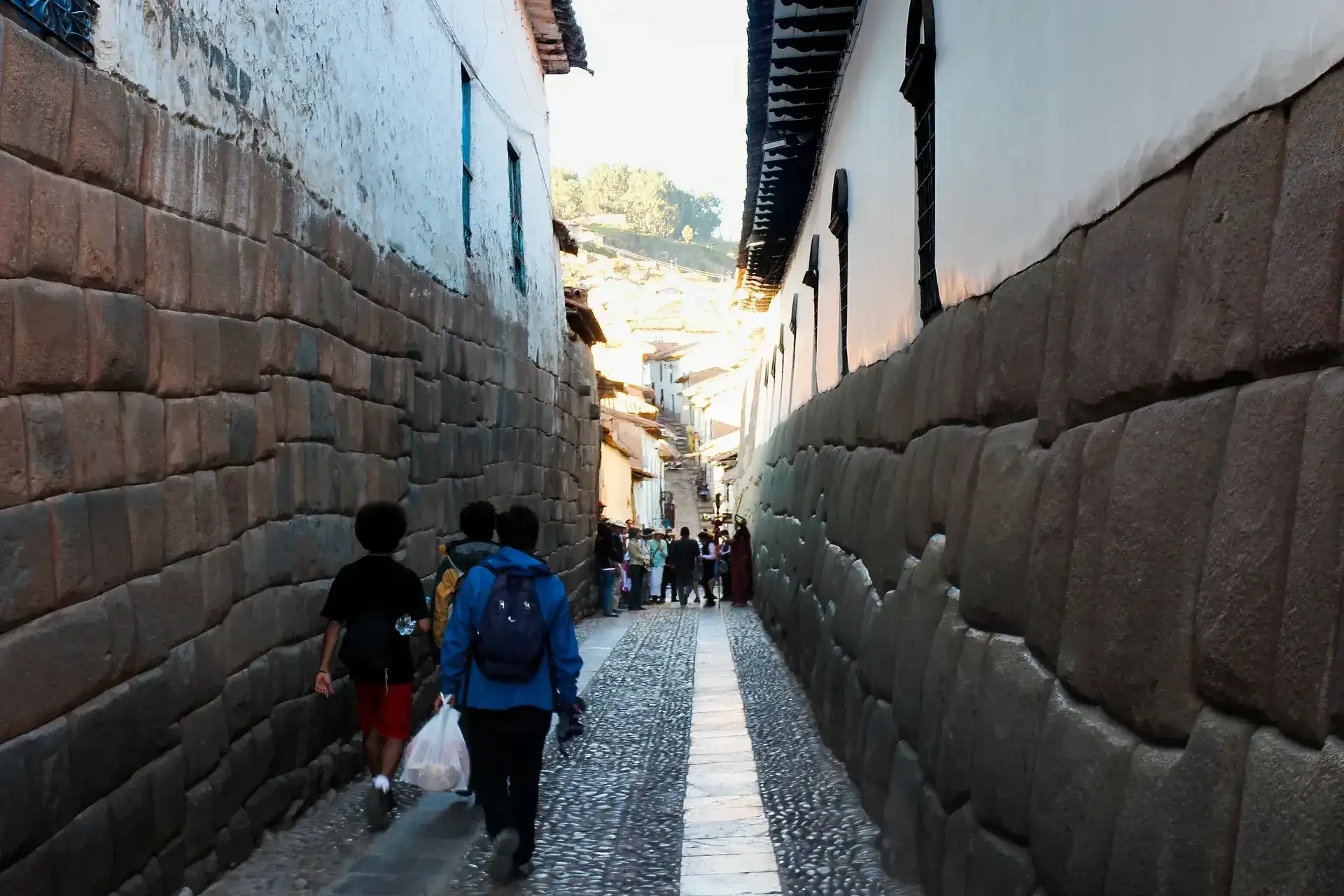
Cusco has become an increasingly popular base for remote workers who want to mix work with adventure: weekdays in cafés and coworkings on colonial streets, weekends on treks, in the Sacred Valley and at Machu Picchu. The city has an active international community, a moderate cost of living and a time zone that suits working with the Americas. It also has quirks, such as altitude and patchy internet, worth knowing before settling in.
Start here: Cusco tips · things to do in Cusco
Internet: what to know
Connection quality varies a lot between lodgings. Many central apartments and hotels have fibre fast enough for video calls, but in old houses with thick walls Wi-Fi may not reach every room. Tips:
- Before booking a long stay, ask the host for a recent speed-test screenshot.
- Always have a plan B: a local SIM or eSIM with data for hotspotting.
- Power or internet cuts aren't frequent but happen; keep your laptop charged for important meetings.
eSIM for Peru
Land connected: install an Airalo data eSIM before you travel and switch it on when you land. Check first that your phone supports eSIM and is unlocked.
Get online in Peru →Popular activities on GetYourGuide
Neighbourhoods
- Historic centre: everything walkable, lots of cafés and restaurants; more noise and tourism.
- San Blas: bohemian and charming, popular with foreigners; very steep streets, which you'll feel at altitude.
- Santa Ana and San Cristóbal: quieter and more traditional, close to the centre.
- Wanchaq and the Avenida de la Cultura area: modern, residential and flat, with supermarkets and services; less charm but easier day to day.
- San Blas, Cusco's artisan quarter: what to see, viewpoints and tips
- Where to stay in Cusco: best areas for your trip and budget
Coworking and cafés
Cusco has several coworking spaces and many cafés with Wi-Fi, sockets and a calm atmosphere, especially in the centre and San Blas. Some hostels have co-working areas. Options change often, so check recent reviews and ask about day or monthly passes. In cafés, ordering regularly is good etiquette if you stay for hours.
Cost of living
Cusco's cost of living is moderate by international standards, though higher than other Peruvian cities due to tourism. Short-term rentals for foreigners cost more than local leases; negotiating a month or more usually gets better prices. Set lunches at markets and local restaurants are very cheap, while tourist restaurants are priced like other capitals. Treat any figures as approximate: prices change with the season.
- Cusco on a budget: saving on accommodation, food, transport and Machu Picchu
- Money in Cusco: soles, ATMs, exchange offices and cards
Altitude, sleep and productivity
At about 3,400 m, the first days can bring headaches, fatigue and poor sleep, which hurts focus. Plan a lighter first week, drink plenty of water, avoid alcohol at first and don't schedule key meetings on day one. Many nomads spend a few days in the lower Sacred Valley to acclimatise.
- Altitude sickness in Cusco: how to prevent it and what to do
- Where to stay in the Sacred Valley: Pisac, Urubamba, Ollantaytambo and more
Visas and length of stay
Many nationalities can enter Peru as tourists without a visa for a limited period. Rules on remote work and long stays can change, so always check official information from Migraciones Perú and your consulate before travelling. Don't rely on forum posts.
Official sources
Entry conditions, permitted length and overstay fines depend on nationality. Always verify with official sources.
Time zone
Peru is on UTC−5 all year with no daylight saving. That suits clients in North and South America; for teams in Europe it means early-morning meetings or shifted hours.
Community and social life
There are nomad and expat groups on social media, language exchanges, Spanish classes, yoga and weekend hiking outings. It's easy to meet people in social hostels and coworkings. Studying Spanish at a local school is another good way to settle in.
- Learning Spanish in Cusco: schools, formats, homestays and volunteering
- Cusco nightlife: areas, live music, peñas and how to go out safely
Health, insurance and safety
- Get travel or nomad insurance covering long stays and adventure activities.
- Cusco is generally calm, but watch your belongings, especially your laptop, in cafés and transport.
- Never leave your computer alone on the table or carry it visibly at night.
Weekends
Cusco's big advantage: Machu Picchu, the Sacred Valley, Humantay Lake, Rainbow Mountain and dozens of hikes within reach. Keep pre-dawn trips for weekends or days off, as they usually start before sunrise.
- How to get to Machu Picchu: train, Inca Trail or Hidroeléctrica
- Sacred Valley of the Incas: what to see and how to visit
- Humantay Lake: how to get there, the hike and tips
Frequently asked questions
- Is Cusco's internet good for remote work?
- Many central lodgings have adequate fibre, but it varies; ask for a speed test and carry backup mobile data.
- What's the best neighbourhood for digital nomads?
- San Blas and the centre for atmosphere; Wanchaq for convenience and services.
- What time zone is Cusco in?
- UTC−5 all year, no daylight saving.
- Does altitude affect work?
- In the first days, yes; plan a light first week.
Book this plan
- Cusco city tourCompareSee dates →
- Cusco by nightCompareSee dates →
- Machu Picchu day trip from CuscoCompareSee dates →
Notice: This guide shares advice and recommendations based on research and local experience. Prices, opening hours and rules may change: always check with official sources and operators. Cusco Tips is not responsible for third-party services, bookings or decisions made using these guides; some links are affiliate links (see our affiliate policy).
Related guides
SIM, eSIM and internet in Cusco: how to stay connected in Peru
How to get mobile data in Cusco and Machu Picchu: an eSIM before you travel, a local SIM with your passport, coverage in the Sacred Valley and on treks, wi-fi and tips to stay online.
Read guide →
Learning Spanish in Cusco: schools, formats, homestays and volunteering
How to study Spanish in Cusco: course types, private or group classes, homestays, cultural activities, volunteering, rough prices and how to choose a school.
Read guide →
Hostels in Cusco: areas, what to check before booking and backpacker tips
How to choose a hostel in Cusco: areas (Plaza de Armas, San Blas, San Pedro), party or quiet hostels, heating, hot water, lockers, breakfast and safety, without pushing brands.
Read guide →
Money in Cusco: soles, ATMs, exchange offices and cards
How to handle money in Cusco: the Peruvian sol, ATMs and fees, exchange offices, US dollars, card payments, tipping, fake notes and safety tips.
Read guide →