
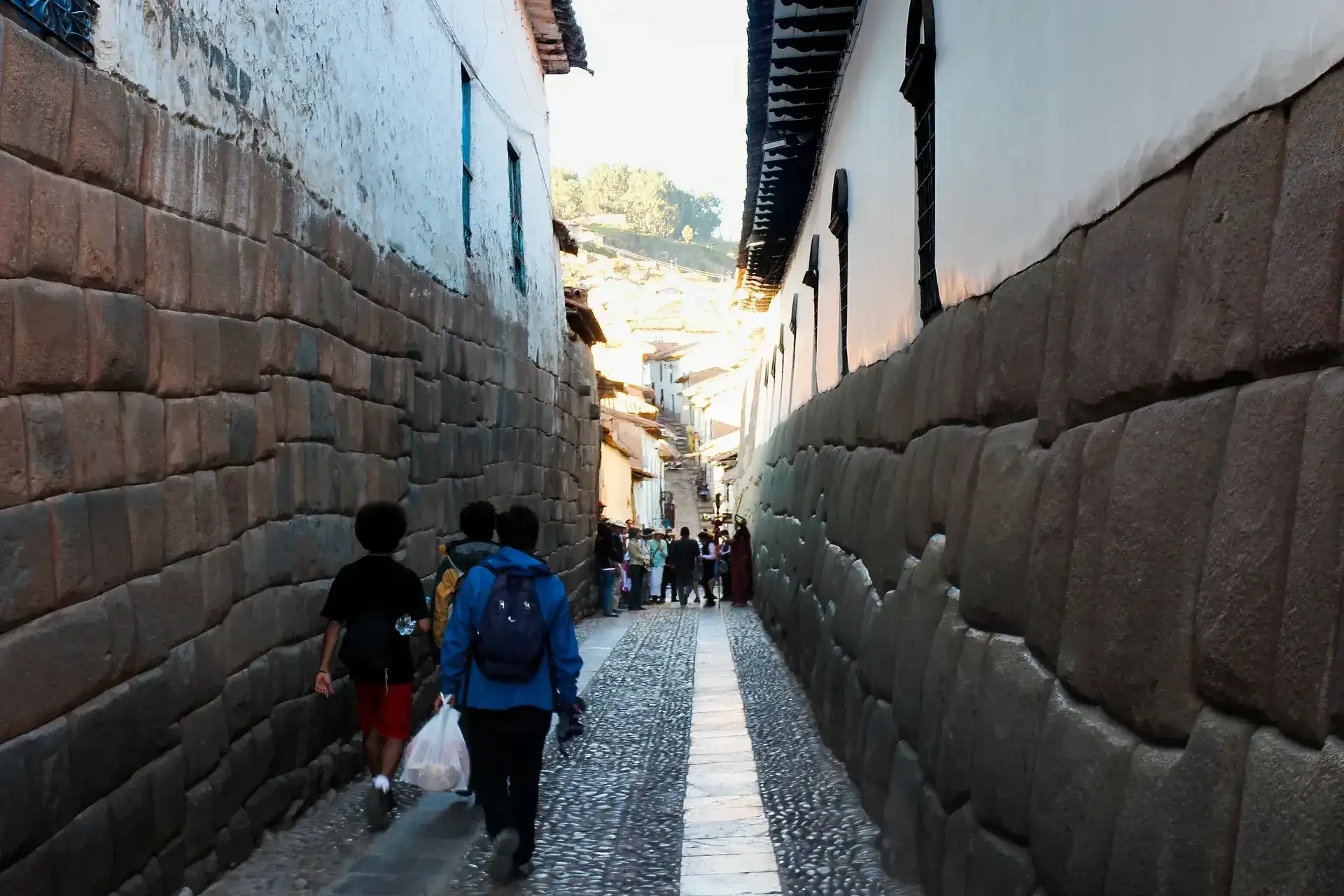
In Cusco, choosing the right area matters more than in many cities. Hills, altitude and Machu Picchu logistics mean a well-located hotel can change your trip. Here are the main areas, what to expect from each type of accommodation and who should stay where.
Start here: Cusco tips · things to do in Cusco
Accommodation types and what to expect
- Hostels and backpacker stays: dorms or simple rooms, social atmosphere, basic facilities. Check for reliable hot water and heating.
- Mid-range: comfortable private rooms, breakfast often included, frequently in old houses with courtyards.
- Boutique: restored colonial houses with few rooms and more attention to detail and design.
- Luxury: former mansions or convents turned hotels, and Sacred Valley resorts with spas — some with oxygen-enriched rooms.
Historic centre
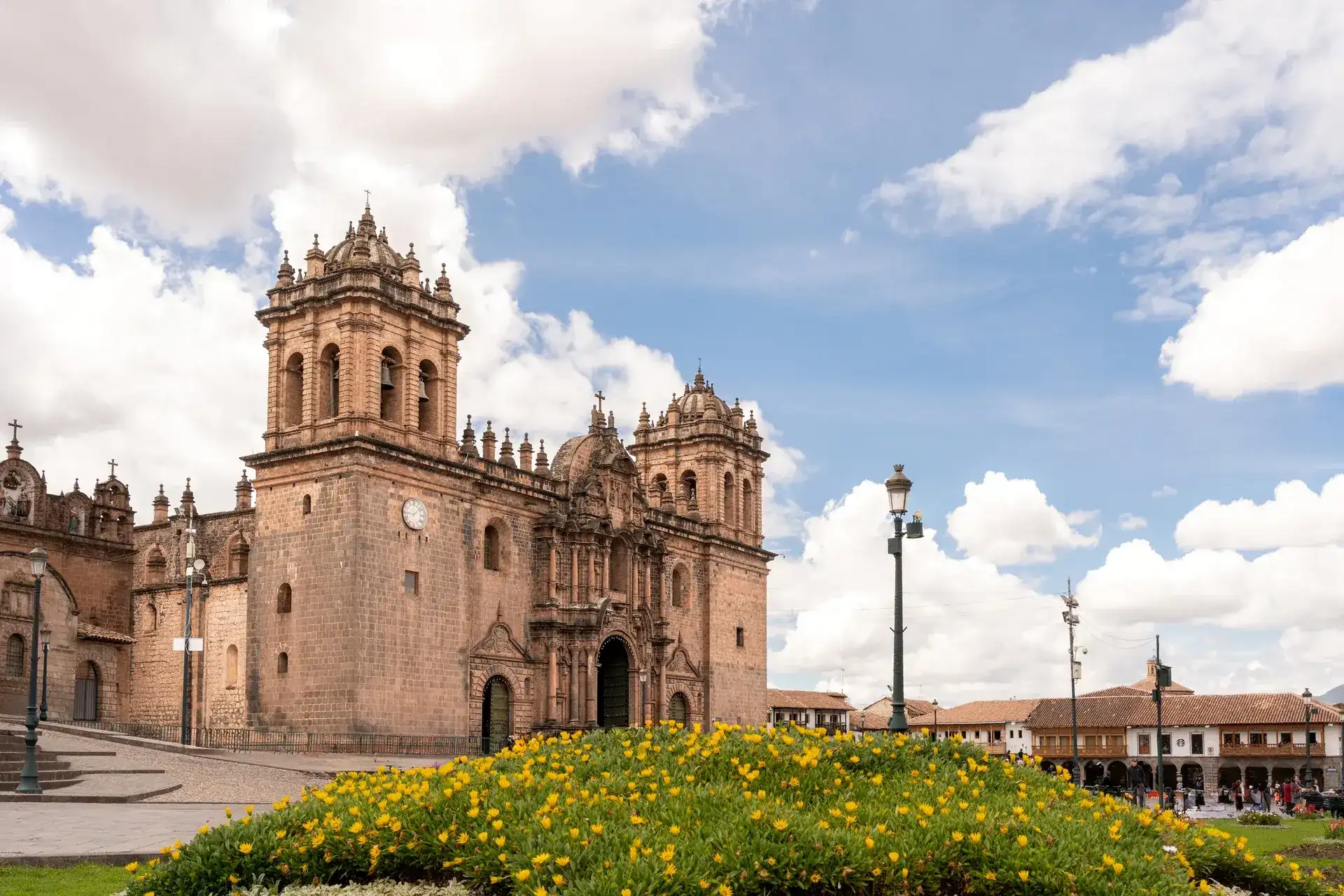
The area around the Plaza de Armas and Plaza Regocijo. The most practical choice for a first visit: you can walk almost everywhere, with restaurants and agencies on every corner.
- Pros: walk everywhere, flatter streets than the hillside neighbourhoods, usual tour pick-up point.
- Cons: can be noisy at night, especially weekends and near bars.
- Ideal for: first-timers, short stays and anyone who wants to walk to dinner.
Tip
Ask for a room facing an interior courtyard — usually much quieter than street-facing rooms.
San Blas
The artisans' quarter on the hillside next to the centre: cobbled lanes, workshops, cafés and viewpoints over the city's rooftops. Full of charm with a bohemian feel.
- Pros: calm atmosphere with character, great views, lots of cafés and charming stays.
- Cons: steep streets and stairs that are exhausting in your first days at altitude; taxis can't reach every door.
- Ideal for: couples and acclimatized travellers looking for more personality.
Other Cusco areas
- San Cristóbal: above the Plaza de Armas with spectacular views, but very steep.
- Av. El Sol and San Pedro market: practical, good transport and often cheaper; less charm.
- Santa Ana: a traditional neighbourhood near San Pedro, more local, with some hills.
Sacred Valley
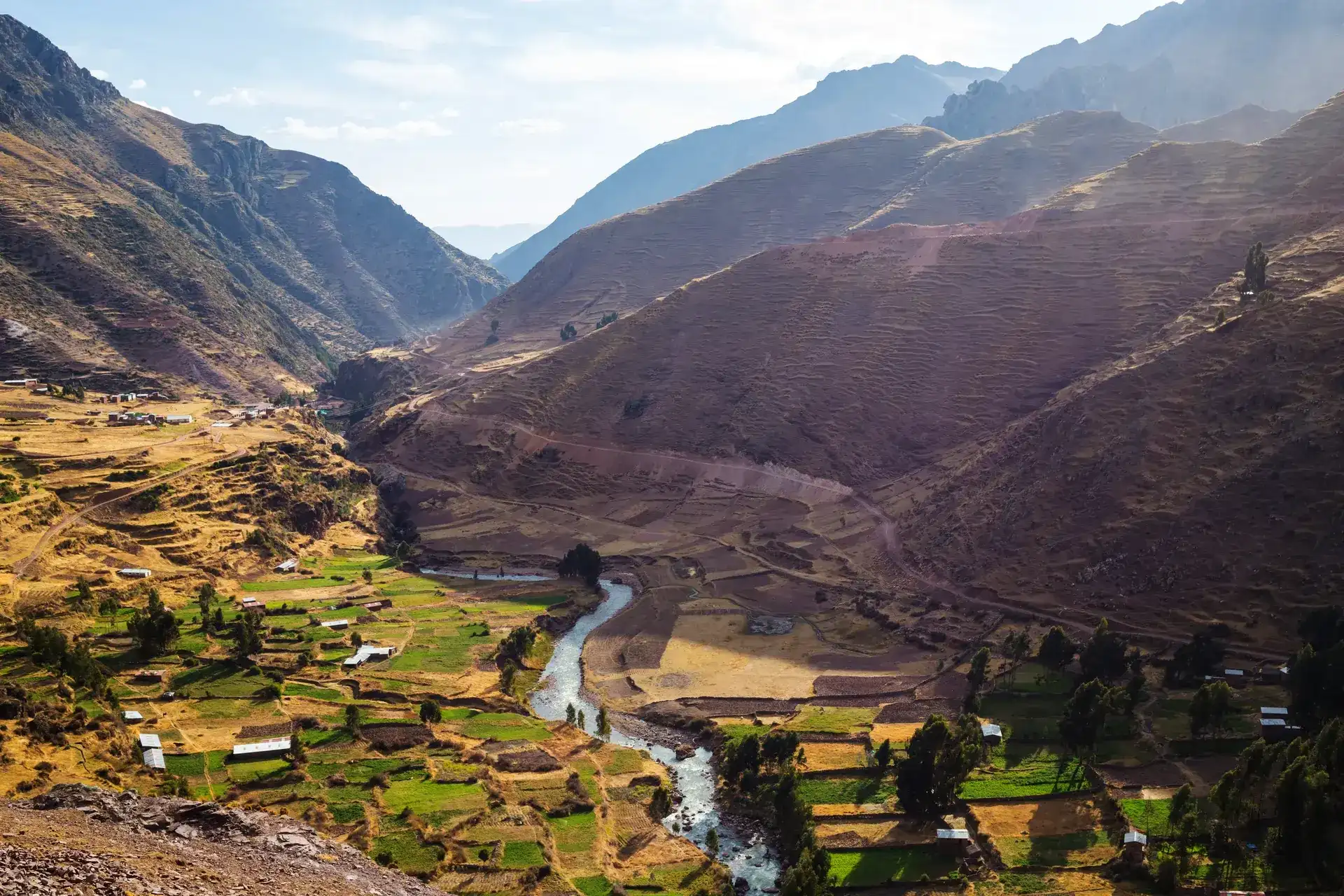
Urubamba, Ollantaytambo and Pisac are lower than Cusco, quieter and surrounded by nature. An excellent base for your first nights and for catching the train to Machu Picchu from Ollantaytambo.
- Pros: lower altitude, ideal for acclimatizing; peaceful; many lodges and resorts with gardens.
- Cons: you need transport between towns; fewer restaurants and less nightlife.
- Ideal for: altitude-sensitive travellers, families and anyone seeking rest.
- Sacred Valley of the Incas: what to see and how to visit
- Altitude sickness in Cusco: how to prevent it and what to do
Aguas Calientes
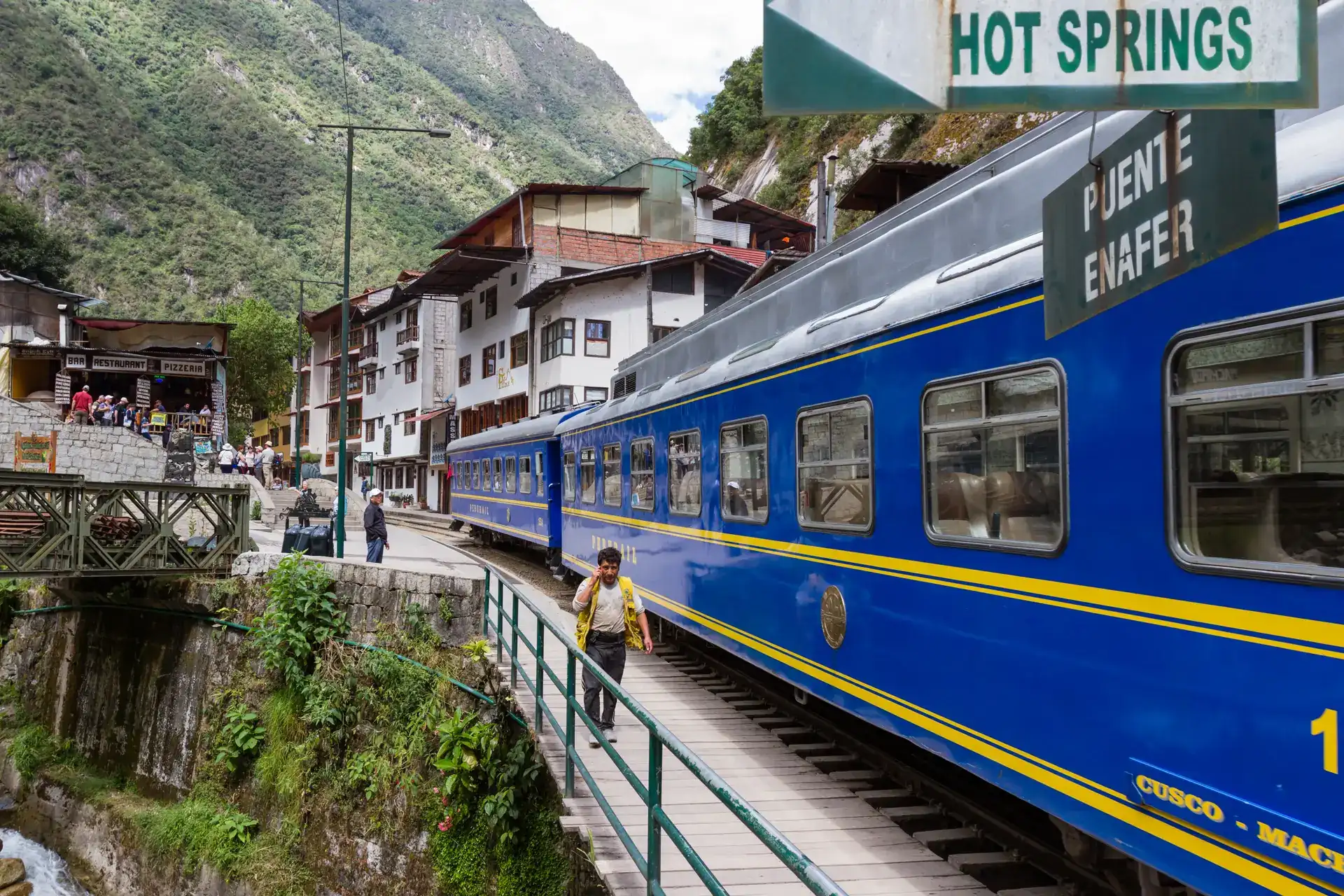
The town at the foot of Machu Picchu. Most people stay just one night so they can go up early without relying on the first train.
- Pros: perfect for early entry times; everything a short walk from the station and buses.
- Cons: small, touristy town; mostly basic to mid-range options (with a few upscale ones); noise from trains and the river.
- Ideal for: early entry tickets or a relaxed two-day visit.
Practical tips
- Heating: not every place has it and nights are cold; ask before booking.
- Oxygen: many hotels keep oxygen for guests; confirm if altitude worries you.
- Luggage: most hotels store bags while you go to Machu Picchu with a daypack.
- Transfers: ask your hotel to arrange airport pick-up, especially for night arrivals.
- At night: use trusted taxis, booked via an app or your hotel.
- Read recent guest reviews on the booking platform, especially about noise and hot water.
- In the rainy season, prefer rates with flexible cancellation.
Who should stay where?
- First-timers: historic centre.
- Couples: San Blas or a boutique stay in the centre.
- Families: Sacred Valley or the historic centre (courtyard rooms, few stairs).
- Backpackers and tight budgets: centre hostels or the San Pedro area.
- Altitude-sensitive: first nights in the Sacred Valley.
- Early Machu Picchu entry: one night in Aguas Calientes.
Book this plan
- Cusco city tourCompareSee dates →
- Sacred Valley tourCompareSee dates →
Notice: This guide shares advice and recommendations based on research and local experience. Prices, opening hours and rules may change: always check with official sources and operators. Cusco Tips is not responsible for third-party services, bookings or decisions made using these guides; some links are affiliate links (see our affiliate policy).
Related guides
How many days in Cusco + 3, 5 and 7-day itineraries
How many days do you need in Cusco? Short answer, key factors (altitude, Machu Picchu, treks) and day-by-day 3, 5 and 7-day itineraries.
Read guide →
Altitude sickness in Cusco: how to prevent it and what to do
Cusco sits at about 3,400 m. Altitude sickness symptoms, warning signs, how to acclimatize, coca tea, medication and when to do the highest day trips.
Read guide →
How to get to Machu Picchu: train, Inca Trail or Hidroeléctrica
Every way to reach Machu Picchu from Cusco: PeruRail and Inca Rail trains, the Inca Trail, the Hidroeléctrica route, buses to the citadel and tickets.
Read guide →