
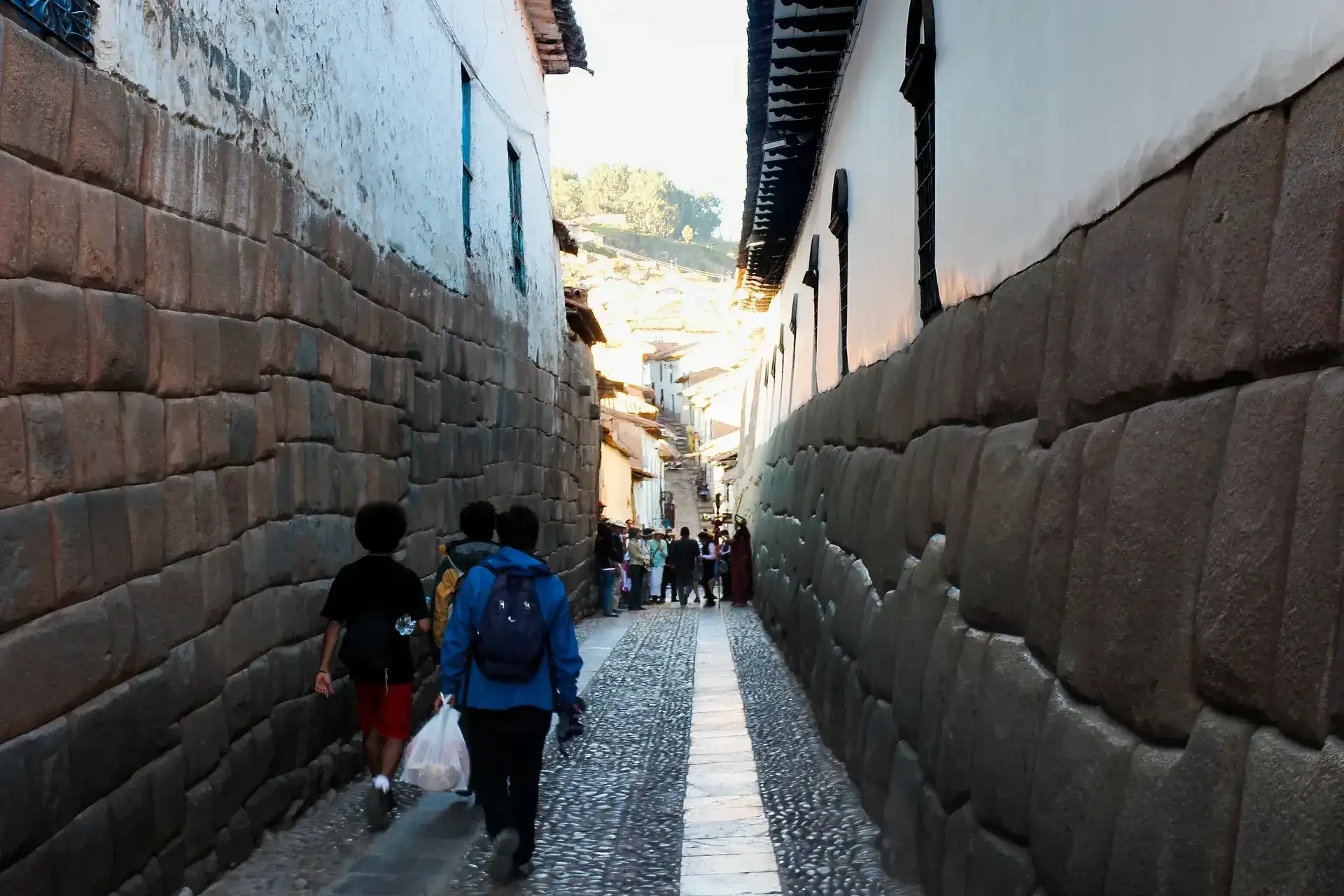
Cusco is one of South America's most popular places to learn Spanish. It combines a clear, unhurried Andean accent, a moderate cost of living, plenty of schools and daily practice in the street, at the market or with your host family. And at weekends you have Machu Picchu, the Sacred Valley and dozens of day trips within reach. This guide helps you choose the right format and school.
Start here: Cusco tips · things to do in Cusco
Why study in Cusco
- Clear Spanish: Andean Spanish is generally spoken at a steady pace with good pronunciation, which helps beginners.
- Real immersion: away from the most touristy spots, daily life happens in Spanish.
- Moderate cost: classes and accommodation are usually cheaper than in Europe or North America.
- Living culture: festivals, food, Inca and colonial history and the presence of Quechua.
Altitude
Cusco sits at about 3,400 m. Concentrating can be harder in the first days; many schools suggest a gentle start.
- Altitude sickness in Cusco: how to prevent it and what to do
- Basic Quechua phrases for your trip to Cusco (with pronunciation)
Popular activities on GetYourGuide
Course types
- Group classes: small groups by level, usually Monday to Friday mornings or afternoons. The most affordable and sociable option.
- Private classes: faster progress, tailored to goals such as conversation, grammar or professional vocabulary.
- Intensive courses: more hours a day for rapid progress in a few weeks.
- Spanish for specific purposes: medicine, tourism or volunteering, at some schools.
- Online classes beforehand: some schools let you start online and continue in Cusco.
- Preparation for official exams such as DELE, where offered.
Courses are usually booked by the week with a set number of weekly hours.
Accommodation: homestay, residence or independent
- Homestay: the classic immersion option, usually with a private room and some meals. You'll practise daily and see Cusco life from the inside.
- Student residence: more independence and an international vibe.
- Hostel, hotel or apartment: full freedom. San Blas and the centre are handy for walking to school.
- Hostels in Cusco: areas, what to check before booking and backpacker tips
- San Blas, Cusco's artisan quarter: what to see, viewpoints and tips
- Where to stay in Cusco: best areas for your trip and budget
Cultural activities
Many schools include or sell extra activities: cooking and salsa classes, guided museum and market visits, weekend trips, language exchanges and talks on Andean culture. They're a great way to practise outside class and meet other students.
- Cooking classes in Cusco: what to expect, typical dishes and how to choose
- The best museums in Cusco: which to visit, tickets and how to plan
Volunteering
Cusco has many volunteering options in education, health, environment and communities, and some schools combine classes with volunteering. Research carefully: look for transparent projects that explain how money is used, meet real community needs and don't involve unsupervised work with children or vague requirements. Avoid low-impact "voluntourism".
Rough prices
Prices vary widely by school, hours, format and season. Group classes are cheaper per hour than private ones, and multi-week packages are often discounted. Homestays are paid separately, usually by the week. Always ask for a detailed written quote covering registration, materials, activities and accommodation.
How to choose a school
- Qualified teachers trained in teaching Spanish as a foreign language.
- Small groups and an initial placement test.
- Flexibility to switch groups or move to private classes.
- Recent student reviews on independent platforms.
- Clear cancellation and date-change terms.
- A convenient, safe location.
- A trial class before paying for several weeks.
We don't recommend specific schools; compare several and choose by goals and budget.
Practical tips
- For short study stays many travellers enter as tourists; check current immigration rules on official Peruvian sources, especially for long stays.
- Get travel insurance covering your full stay.
- A local SIM makes life easier from day one.
- Combine school with weekend trips to Machu Picchu, the Sacred Valley or Humantay.
eSIM for Peru
Land connected: install an Airalo data eSIM before you travel and switch it on when you land. Check first that your phone supports eSIM and is unlocked.
Get online in Peru →- SIM, eSIM and internet in Cusco: how to stay connected in Peru
- How to get to Machu Picchu: train, Inca Trail or Hidroeléctrica
- Sacred Valley of the Incas: what to see and how to visit
How to practise outside class
- Eat at San Pedro market and chat with the vendors.
- Look for language exchanges in bars and cafés, often advertised at schools and hostels.
- Ride colectivos and ask for directions: it forces quick listening and replies.
- Join a free walking tour in Spanish.
- Read the local press and watch TV with your host family.
- San Pedro Market in Cusco: what to eat, what to buy, opening hours and tips
- Free walking tour in Cusco: how it works, tipping and what to expect
Frequently asked questions
- Is Cusco good for learning Spanish?
- Yes: the Andean accent is clear, costs are moderate and there are many schools and chances to practise.
- Group or private classes?
- Group is cheaper and more social; private lets you progress faster.
- Can I live with a family?
- Yes, most schools offer homestays with some meals included.
- How long do I need?
- Even one or two weeks help; for real progress consider a month or more.
Book this plan
- Cusco city tourCompareSee dates →
- Cusco by nightCompareSee dates →
- Machu Picchu day trip from CuscoCompareSee dates →
Notice: This guide shares advice and recommendations based on research and local experience. Prices, opening hours and rules may change: always check with official sources and operators. Cusco Tips is not responsible for third-party services, bookings or decisions made using these guides; some links are affiliate links (see our affiliate policy).
Related guides
Basic Quechua phrases for your trip to Cusco (with pronunciation)
Learn greetings and useful Quechua phrases for Cusco: hello, thank you, please, how much, numbers, words you'll see everywhere and tips to use them respectfully.
Read guide →
San Blas, Cusco's artisan quarter: what to see, viewpoints and tips
Guide to Cusco's San Blas neighbourhood: the church and its carved pulpit, the little plaza, artisan workshops, Hatun Rumiyoc street, viewpoints, nightlife and whether to stay there.
Read guide →
Hostels in Cusco: areas, what to check before booking and backpacker tips
How to choose a hostel in Cusco: areas (Plaza de Armas, San Blas, San Pedro), party or quiet hostels, heating, hot water, lockers, breakfast and safety, without pushing brands.
Read guide →
Cusco on a budget: saving on accommodation, food, transport and Machu Picchu
How to visit Cusco cheaply: an indicative daily budget, hostels, set lunches, local transport, the Tourist Ticket, budget Machu Picchu, free things to do and costly mistakes.
Read guide →