
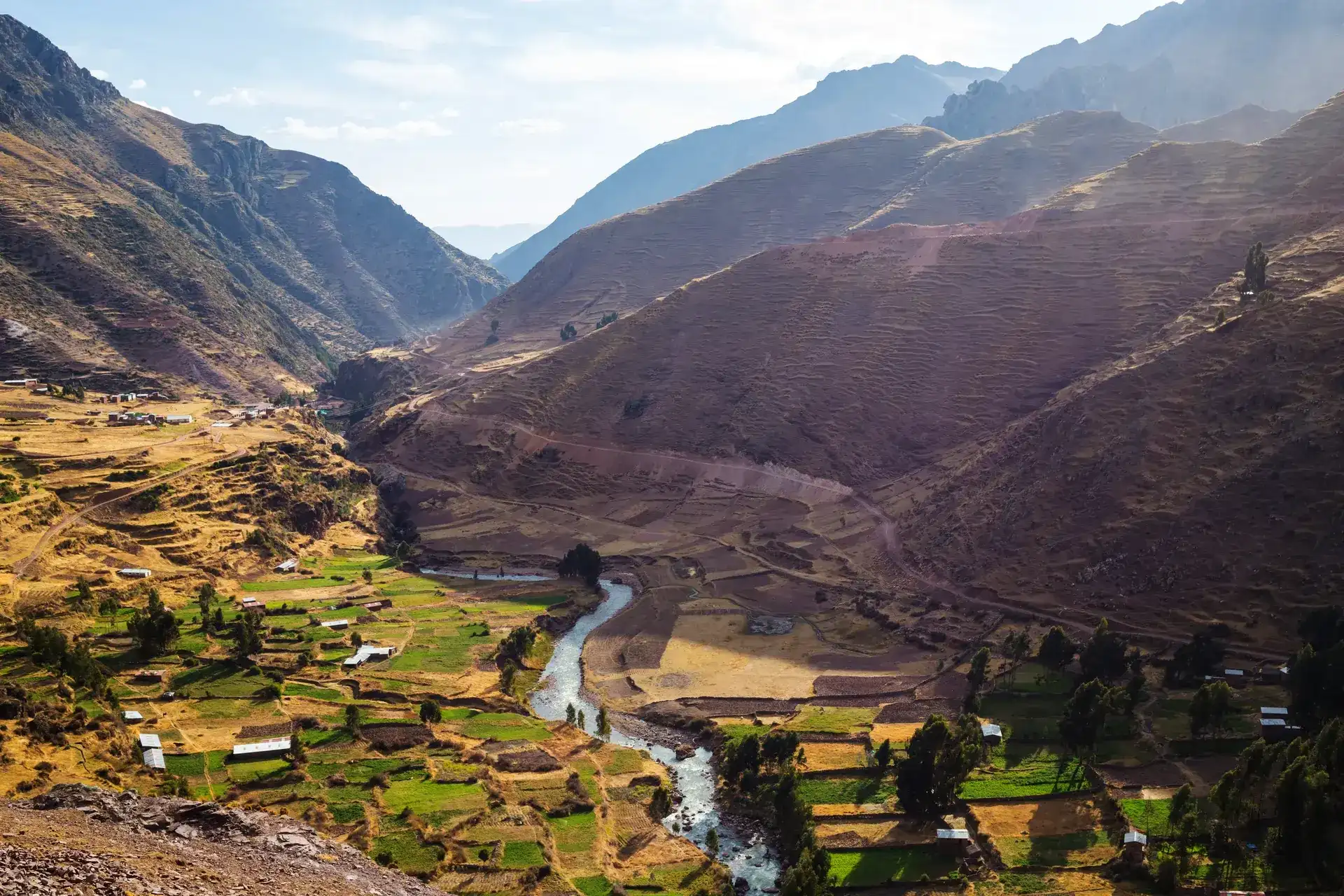
If one food defines the Andes, it's the potato. It was domesticated thousands of years ago in the Lake Titicaca region and from there conquered the world. Peru grows thousands of varieties, many of them only in high Andean communities in regions like Cusco. Walking through a Cusco market and seeing mountains of potatoes in every colour, shape and size is a lesson in history and biodiversity. This guide explains which potatoes you'll see, how they've been preserved since Inca times and which dishes to try.
Start here: Cusco tips · things to do in Cusco
The cradle of the potato
The first Andean farmers domesticated the wild potato some 7,000 to 8,000 years ago. The Incas developed advanced techniques to grow it at different altitudes, such as terraces, and to store it for years. After the Spanish arrived, the potato travelled to Europe and became one of the world's most important foods. Peru celebrates National Potato Day every 30 May, and Lima is home to the International Potato Center, which conserves thousands of varieties.
- Moray and the Maras salt mines: how to visit from Cusco or the Sacred Valley
- Machu Picchu history: who built it, why, and how the world found out
Popular activities on GetYourGuide
Varieties you'll see at the market
- Papa amarilla: floury and golden, perfect for mash and causa. A favourite of many Peruvian cooks.
- Papa huayro: reddish skin and yellow flesh, very tasty; ideal boiled with cheese and ají.
- Papa peruanita: small, two-tone yellow and red, with an intense flavour.
- White potato or canchán: the most common, for frying or stews.
- Coloured native potatoes: purple, black, pink or twisted shapes. Grown in high Andean communities, each has a Quechua name, sometimes very poetic.
Ask for the name
Vendors usually know each variety's Quechua name and what it's best for. Asking is a great excuse for a chat.
Chuño and moraya: Inca freeze-dried potatoes
Long before industrial freeze-drying existed, Andean people dehydrated potatoes using the high-altitude climate. Potatoes are left outside to freeze at night, trampled to squeeze out the water and dried in the sun by day. The result is black chuño, which keeps for years. If they're also washed in running water, you get white moraya or tunta. In Cusco markets you'll see them in sacks: they look like small stones. They're used in soups and stews and have a very distinctive taste and texture.
Other Andean tubers
- Olluco: small yellow or pink tuber with a crunchy texture. Eaten in "olluquito con charqui", a stew with dried meat.
- Oca: elongated and colourful, slightly sweet, especially after a few days in the sun.
- Mashua or isaño: slightly peppery, used in traditional medicine and stews.
- Maca: more typical of the central highlands, sold as an energy powder.
Potato dishes you must try
- Papa a la huancaína: boiled potato with a creamy sauce of fresh cheese and ají amarillo.
- Ocopa: potato with a sauce of huacatay, peanuts and chilli, typical of Arequipa but common in Cusco.
- Causa: yellow potato mash with chilli and lime, filled with chicken, tuna or vegetables.
- Huatia: potatoes cooked underground in an oven of hot clods of earth, a harvest-time tradition (May to July). If you're invited to a huatia in a community, don't hesitate.
- Chiri uchu: the Corpus Christi dish, with potato, guinea pig, hen, charqui, sausages and seaweed, eaten cold.
- Lawa: a thick soup with corn or chuño flour, perfect for the cold.
- Corpus Christi in Cusco: dates, the saints' procession, chiriuchu and tips
- Cooking classes in Cusco: what to expect, typical dishes and how to choose
- Cusco picanterías and chicherías: eat like a local
The Potato Park near Pisac
Near Pisac, several Quechua communities manage the so-called Potato Park, a territory devoted to conserving hundreds of native varieties and traditional farming knowledge. Some communities offer community-based tourism visits, usually arranged in advance. It's a very different experience from a conventional tour.
- Pisac: Inca ruins, craft market and how to visit from Cusco
- Sacred Valley of the Incas: what to see and how to visit
Buying and tasting
- San Pedro market, Wanchaq and Sacred Valley markets have the widest variety.
- Novoandina (new Andean) restaurants in Cusco present native potatoes in creative ways.
- To take home, fresh potatoes usually aren't allowed through customs, but packaged products like native potato chips or maca powder generally are, depending on your country's rules.
- San Pedro Market in Cusco: what to eat, what to buy, opening hours and tips
- Local markets in Cusco: Wanchaq, Huancaro, Vinocanchón and beyond San Pedro
- What to buy in Cusco: authentic souvenirs and what to avoid
Frequently asked questions
- How many potato varieties are there in Peru?
- Thousands; the International Potato Center conserves over 4,000 native Andean potato varieties, many of them Peruvian.
- What is chuño?
- Potato dehydrated by night-time freezing and sun drying, an Andean technique that preserves it for years.
- Which potato dish should I try in Cusco?
- Papa a la huancaína, ocopa, causa and, at harvest time, huatia.
- Can I take potatoes home?
- Fresh ones usually not; packaged products generally yes, depending on your country's rules.
Book this plan
- Cusco food tourCompareSee dates →
- Peruvian cooking classCompareSee dates →
Notice: This guide shares advice and recommendations based on research and local experience. Prices, opening hours and rules may change: always check with official sources and operators. Cusco Tips is not responsible for third-party services, bookings or decisions made using these guides; some links are affiliate links (see our affiliate policy).
Related guides
Peruvian fruits in Cusco markets: what to try and how to eat them
A guide to fruits in Cusco's markets: cherimoya, lucuma, granadilla, golden berry, prickly pear, pacay, tumbo and more. How to eat them, seasons and hygiene tips.
Read guide →
San Pedro Market in Cusco: what to eat, what to buy, opening hours and tips
Guide to San Pedro Central Market: sections, juices, cheap food, breads, cheeses and Andean produce, approximate hours, safety and how to get there from the Plaza de Armas.
Read guide →
Pisac: Inca ruins, craft market and how to visit from Cusco
Pisac guide in the Sacred Valley: what to see in the archaeological park, the market, getting there from Cusco, entry with the Tourist Ticket, the walk down and tips.
Read guide →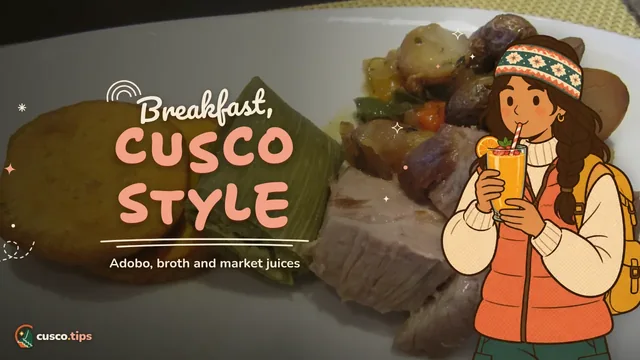
Traditional breakfast in Cusco: adobo, chicken soup, juices and pan chuta
How Cusco locals eat breakfast: Sunday adobo, chicken soup, chicharrón sandwiches, market juices, hot quinoa and pan chuta. Where to try them.
Read guide →