
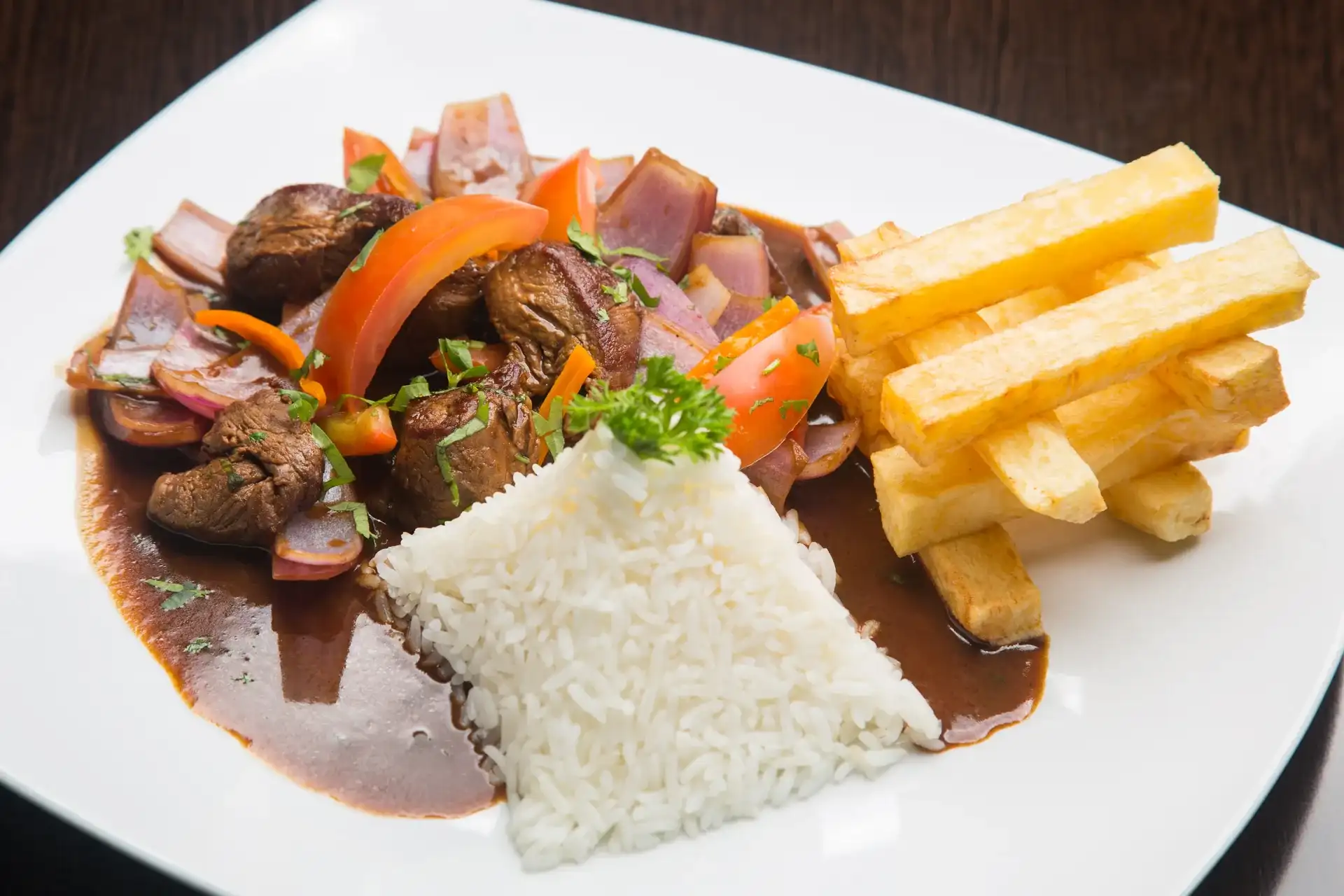
Before Cusco filled up with fine-dining restaurants, locals ate in picanterías and drank chicha in chicherías. Many are still open: simple places, sometimes houses with courtyards, serving hearty regional food and huge glasses of chicha de jora. Eating in a picantería is one of the most authentic experiences in the city. This guide explains what they are, how to spot them, what to order and a few places we've confirmed are still running.
Start here: Cusco tips · things to do in Cusco
What picanterías and chicherías are
Chicherías began as places where chicha de jora, the fermented corn drink drunk in the Andes since pre-Hispanic times, was made and sold. Spicy dishes were served alongside it, and that's how picanterías emerged. Today both words are used almost interchangeably for popular eateries serving traditional food, usually open at lunchtime.
In Cusco, many of these houses were for decades meeting points for workers, families, musicians and artists. The atmosphere is informal, noisy and very Cusco.
Popular activities on GetYourGuide
The red flag: how to spot them
A tradition you'll see in Cusco neighbourhoods and villages is a pole with a red flag or cloth, sometimes with flowers or coloured plastic, hanging at a house door. It means fresh chicha is for sale inside. It's an old signal that's still in use, especially outside the historic centre and in Sacred Valley villages.
Careful with chicha
Chicha de jora is fermented and contains some alcohol. If you've just arrived at altitude or have a sensitive stomach, try a little or start with frutillada, the strawberry version, which is milder and sweeter.
What to order
- Chiriuchu: the festive dish of Corpus Christi, served cold, with cuy, chicken, cured meat, sausage, cheese, toasted corn, seaweed, fish roe and a fritter. It's easiest to find in June.
- Kapchi: a creamy fresh-cheese stew with broad beans or mushrooms and potatoes, great for vegetarians.
- Roast or chactado cuy: the most famous Andean speciality, usually for sharing.
- Adobo: pork marinated in chicha and spices and slow-cooked. It's Cusco's traditional Sunday breakfast.
- Chicharrón: chunks of pork fried in their own fat with mote corn and mint.
- Lechón: roast pork with crackling, served with tamales.
- Broths and chairo: hearty soups with chuño, meat and vegetables.
- Rocoto relleno and pastel de papa, dishes shared with Arequipa that you'll often find in Cusco.
- Eating guinea pig (cuy) in Cusco: what it is, how it's cooked and where to try it
- Saylla chicharrón: Cusco's fried-pork town
- Corpus Christi in Cusco: dates, the saints' procession, chiriuchu and tips
Places that are still open
These places appear active in recent sources. We give only the area; hours and menus change, so check opening times before you go.
La Chomba
One of Cusco's most traditional picanterías, on Avenida Tullumayo, a few minutes' walk from the Plaza de Armas. It's a large, popular place known for its chicha, frutillada and Cusco dishes such as roast cuy. It works mainly at lunchtime.
Quinta Eulalia
On Calle Choquechaca, heading up to San Blas, this is one of the city's oldest quintas. Quintas are courtyard houses serving traditional Cusco food: chairo, ribs, trout, cuy, lamb or rocoto relleno. Portions are generous and it fills up at weekends.
- San Blas, Cusco's artisan quarter: what to see, viewpoints and tips
- What and where to eat in Cusco: typical dishes, markets and tips
Picanterías in the villages
Outside the city, picanterías are very much alive. In the South Valley, Saylla is famous for chicharrón and Tipón and Lucre for cuy. In the Sacred Valley, villages like Pisac, Calca, Urubamba or Chinchero have chicherías with the red flag at the door. If you're on a day trip, ask your guide to stop for lunch at one.
During the Huancaro fair in June there's also a traditional picantería competition, a good chance to try many specialities in one place.
- Saylla chicharrón: Cusco's fried-pork town
- Huancaro Fair: Cusco's big June agricultural fair
- Cusco's South Valley: Tipón, Pikillacta, Andahuaylillas and local flavours
How to behave
- Picanterías usually open at midday and close mid-afternoon; they aren't dinner spots.
- Chicha is served in big glasses called caporales or in jugs to share.
- Sharing tables is normal in the busiest places.
- Ask the price if there's no menu or dishes are ordered by portion.
- Bring cash: many places don't take cards.
Eating heavy at altitude
Picantería food is plentiful and often rich. In your first days in Cusco, eat moderate portions, share dishes and avoid mixing lots of chicha with heavy meals. After lunch, a muña or coca infusion helps digestion.
- Altitude sickness in Cusco: how to prevent it and what to do
- Coca leaf in Cusco: tea, chewing, altitude sickness and whether you can take it home
Frequently asked questions
- What's a picantería in Cusco?
- A popular eatery serving traditional Cusco food, usually open at lunchtime, where chicha de jora is often served too.
- What does the red flag on Cusco houses mean?
- It shows that fresh chicha is sold there. It's an old tradition that's still alive.
- Which dishes should I try?
- Chiriuchu (especially in June), kapchi, roast cuy, adobo, chicharrón, lechón and traditional broths.
- Are there vegetarian options?
- Yes: cheese kapchi with broad beans or mushrooms, pastel de papa and some meat-free broths. Always ask about ingredients.
Book this plan
- Cusco food tourCompareSee dates →
- Peruvian cooking classCompareSee dates →
Notice: This guide shares advice and recommendations based on research and local experience. Prices, opening hours and rules may change: always check with official sources and operators. Cusco Tips is not responsible for third-party services, bookings or decisions made using these guides; some links are affiliate links (see our affiliate policy).
Related guides
Things to do in Cusco: 30 essentials in the city and beyond
Things to do in Cusco: the city's essentials, Machu Picchu, the Sacred Valley, day trips, treks, food, markets and festivals, with 1- to 3-day plans.
Read guide →
Eating guinea pig (cuy) in Cusco: what it is, how it's cooked and where to try it
All about cuy in Cusco: its cultural role in the Andes, oven-roasted and fried cuy, how to eat it, what kind of places serve it, rough prices and alternatives if you'd rather not.
Read guide →
Saylla chicharrón: Cusco's fried-pork town
Saylla, the town of Cusco chicharrón: how to get there from Cusco, what to order, when to go, the July festival and how to combine it with the South Valley.
Read guide →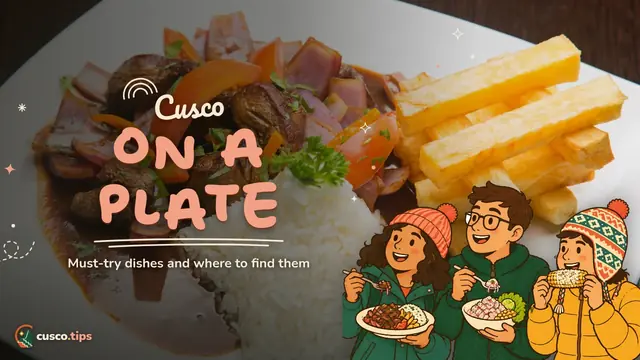
What and where to eat in Cusco: typical dishes, markets and tips
Cusco dishes worth trying, typical drinks, types of places to eat, markets and food-safety tips at altitude.
Read guide →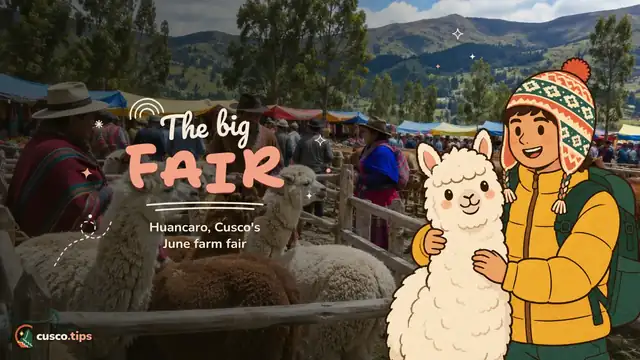
Huancaro Fair: Cusco's big June agricultural fair
Expo Huancaro, the farming and crafts fair of Cusco's June festivities: livestock, native potatoes, cheese, picanterías and crafts. Dates, getting there and tips.
Read guide →