
Cusco neighbourhoods: the character of each area and which suits you
Updated:
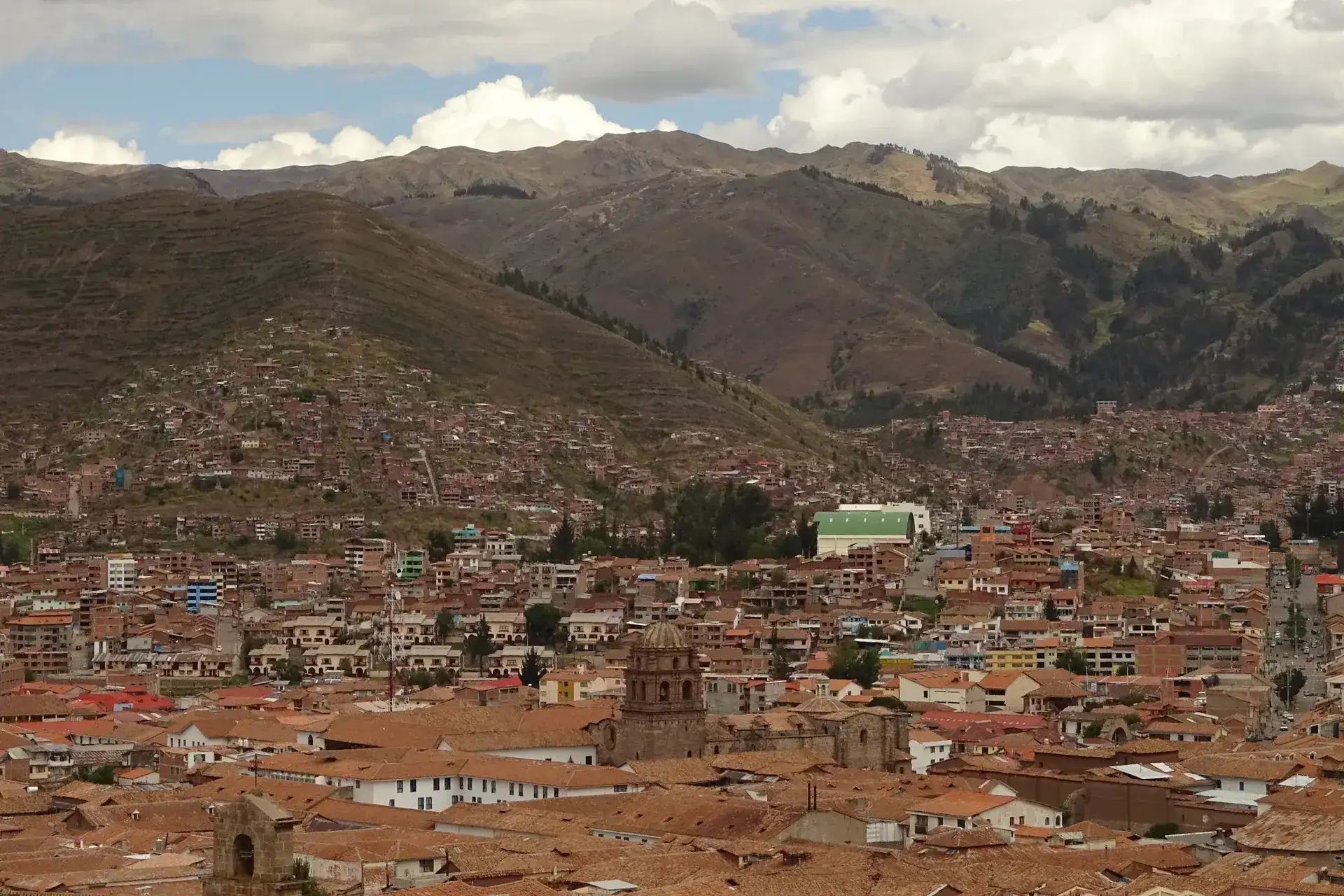
Cusco is compact at its centre, but each neighbourhood has a very different personality. Within a few blocks you go from Inca-walled streets and Plaza de Armas nightlife to San Blas artists' workshops, the bustle of San Pedro market or the modern avenues of Wanchaq. Knowing the character of each area helps you choose accommodation and plan walks. This guide sums up the main neighbourhoods and links to our detailed guide on each.
Start here: Cusco tips · things to do in Cusco
Historic centre and Plaza de Armas
The heart of the city: the Cathedral, La Compañía, streets with Inca walls such as Loreto and Hatun Rumiyoc, restaurants, bars and travel agencies. It's the most convenient area for a first visit because everything is close, but also the busiest and, on some streets, noisy at night.
- Best for: first visits, short stays, those who want nightlife.
- Keep in mind: higher prices and noise on streets like Plateros or Procuradores.
- Plaza de Armas in Cusco: history, what to see around it and practical tips
- Inca streets of Cusco: Hatun Rumiyoc, Loreto and the walls still standing
- Cusco's squares beyond the Plaza de Armas: Regocijo, San Francisco, Nazarenas and more
Popular activities on GetYourGuide
San Blas
The artisans' quarter, on the hillside north-east of the Plaza de Armas. Cobbled streets, steps, workshops, cafés, galleries and viewpoints. It has a bohemian, calm feel, though it means climbing hills.
- Best for: couples, travellers looking for charm, art lovers.
- Keep in mind: steep slopes and limited taxi access on some streets.
- San Blas, Cusco's artisan quarter: what to see, viewpoints and tips
- Cusco's artisan markets: San Blas, Centro Artesanal, Pisac and Chinchero
- San Blas religious imagery: saints, Niño Manuelito figures and retablos
San Cristóbal
Above the Plaza de Armas, on the way to Sacsayhuamán. Its church and viewpoint offer one of the best views of the city. It's residential, with hostels and guesthouses with views.
- Best for: those who want views and to be close to Sacsayhuamán.
- Keep in mind: a demanding climb if you're not acclimatised.
- San Cristóbal, Cusco: the viewpoint neighbourhood above the Plaza de Armas
- Sacsayhuamán: how to visit, tickets, history and tips
San Pedro
Around the famous San Pedro market and San Pedro station. A working-class, authentic neighbourhood, lively by day, with low prices and lots of local life.
- Best for: backpackers, market-food lovers, tight budgets.
- Keep in mind: very crowded; watch your belongings.
- San Pedro neighbourhood in Cusco: market, Santa Clara arch and churches
- San Pedro Market in Cusco: what to eat, what to buy, opening hours and tips
Santa Ana
On the north-western slope, by Calle Saphy. An old, quiet neighbourhood with a historic church and a little-known viewpoint.
- Best for: acclimatised travellers looking for calm and low prices.
- Keep in mind: steep streets, poorly lit at night.
Avenida El Sol
The big avenue running down from the centre to the south-east, with Qorikancha, the Cusco history mural, banks and many hotels. Flat, with easy car access.
- Best for: families, travellers with reduced mobility, those arriving with lots of luggage.
- Keep in mind: traffic and noise by day.
- Avenida El Sol: what to see and whether to stay on Cusco's main avenue
- Qorikancha, the Temple of the Sun: tickets, hours, what to see and history
Wanchaq
Modern, residential Cusco between the centre and the airport. Local market, train station for Puno, supermarkets and lower prices.
- Best for: long stays, digital nomads, very early flights.
- Keep in mind: you'll often need a taxi to the centre.
- Wanchaq: modern, local Cusco between the centre and the airport
- Wanchaq Market: where Cusco locals really shop
San Sebastián and San Jerónimo
Former villages now part of the city, with the baroque San Sebastián church and the big Vinocanchón wholesale market. They're the gateway to the South Valley.
- Best for: those curious about local life and markets.
- Keep in mind: far from the centre; not recommended for a first visit.
- San Sebastián and San Jerónimo: Cusco's south-eastern districts
- Vinocanchón Market: San Jerónimo's big wholesale market
Moving between neighbourhoods
Most central neighbourhoods are less than 20 minutes' walk from the Plaza de Armas, but at altitude distances feel longer: the climbs to San Blas, San Cristóbal or Santa Ana can leave you breathless in the first days. Taxis are cheap and plentiful, and it's a good idea to ride up and walk down. For Wanchaq and the south-eastern districts, a taxi or city bus along Avenida de la Cultura is the best option. At night, always take a taxi back to hillside or poorly lit neighbourhoods.
- Getting around Cusco: taxis, ride apps, city buses and colectivos
- Is Cusco safe? Real risks and practical tips for a worry-free trip
How to choose where to stay
- First visit of a few days: historic centre or around the Plaza de Armas.
- Charm and quiet: San Blas, if you don't mind hills.
- Comfort and car access: Avenida El Sol.
- Tight budget: San Pedro, Santa Ana or San Cristóbal.
- Long stay or remote work: Wanchaq.
- If you arrive with altitude sickness: choose a low, flat area like Avenida El Sol and avoid the slopes for the first days.
- Where to stay in Cusco: best areas for your trip and budget
- Hostels in Cusco: areas, what to check before booking and backpacker tips
- Altitude sickness in Cusco: how to prevent it and what to do
Prefer to sleep outside the city?
Many travellers spend one or more nights in the Sacred Valley, lower and quieter, or in Aguas Calientes, at the foot of Machu Picchu. It's a good way to acclimatise and cut down on travel.
- Where to stay in the Sacred Valley: Pisac, Urubamba, Ollantaytambo and more
- Where to stay in Aguas Calientes: areas, accommodation types and tips
Before you go

Airport transfer
Book a private Welcome Pickups transfer from Cusco airport to your hotel before you land, with your driver waiting in arrivals. Check the price and cancellation terms when booking.
Book your airport transfer →Frequently asked questions
- What is the best neighbourhood to stay in Cusco?
- For a first visit, the historic centre; for charm, San Blas; for comfort, Avenida El Sol.
- Which Cusco neighbourhood is quietest?
- The upper streets of San Blas, Santa Ana and San Cristóbal are usually quiet at night.
- Which neighbourhood is cheapest?
- San Pedro, Santa Ana and Wanchaq usually have cheaper accommodation than the centre.
- Which area should I avoid if I arrive with altitude sickness?
- Steep slopes like upper San Blas or San Cristóbal for the first days; a flat area is better.
Book this plan
- Cusco walking tourCompareSee dates →
- Cusco city tourCompareSee dates →
Notice: This guide shares advice and recommendations based on research and local experience. Prices, opening hours and rules may change: always check with official sources and operators. Cusco Tips is not responsible for third-party services, bookings or decisions made using these guides; some links are affiliate links (see our affiliate policy).
Related guides
San Blas, Cusco's artisan quarter: what to see, viewpoints and tips
Guide to Cusco's San Blas neighbourhood: the church and its carved pulpit, the little plaza, artisan workshops, Hatun Rumiyoc street, viewpoints, nightlife and whether to stay there.
Read guide →
San Cristóbal, Cusco: the viewpoint neighbourhood above the Plaza de Armas
A guide to Cusco's San Cristóbal neighbourhood: its church and viewpoint, the Inca palace of Colcampata, steep lanes, walking up to Sacsayhuamán and whether to stay there.
Read guide →
San Pedro neighbourhood in Cusco: market, Santa Clara arch and churches
A guide to San Pedro: the market, Calle Santa Clara and its arch, the San Pedro and Santa Clara churches, Plaza San Francisco and tips for staying and getting around.
Read guide →
Wanchaq: modern, local Cusco between the centre and the airport
Guide to Wanchaq, Cusco's modern district: market, Avenida de la Cultura, the train station for Puno, closeness to the airport and whether it's worth staying there.
Read guide →