
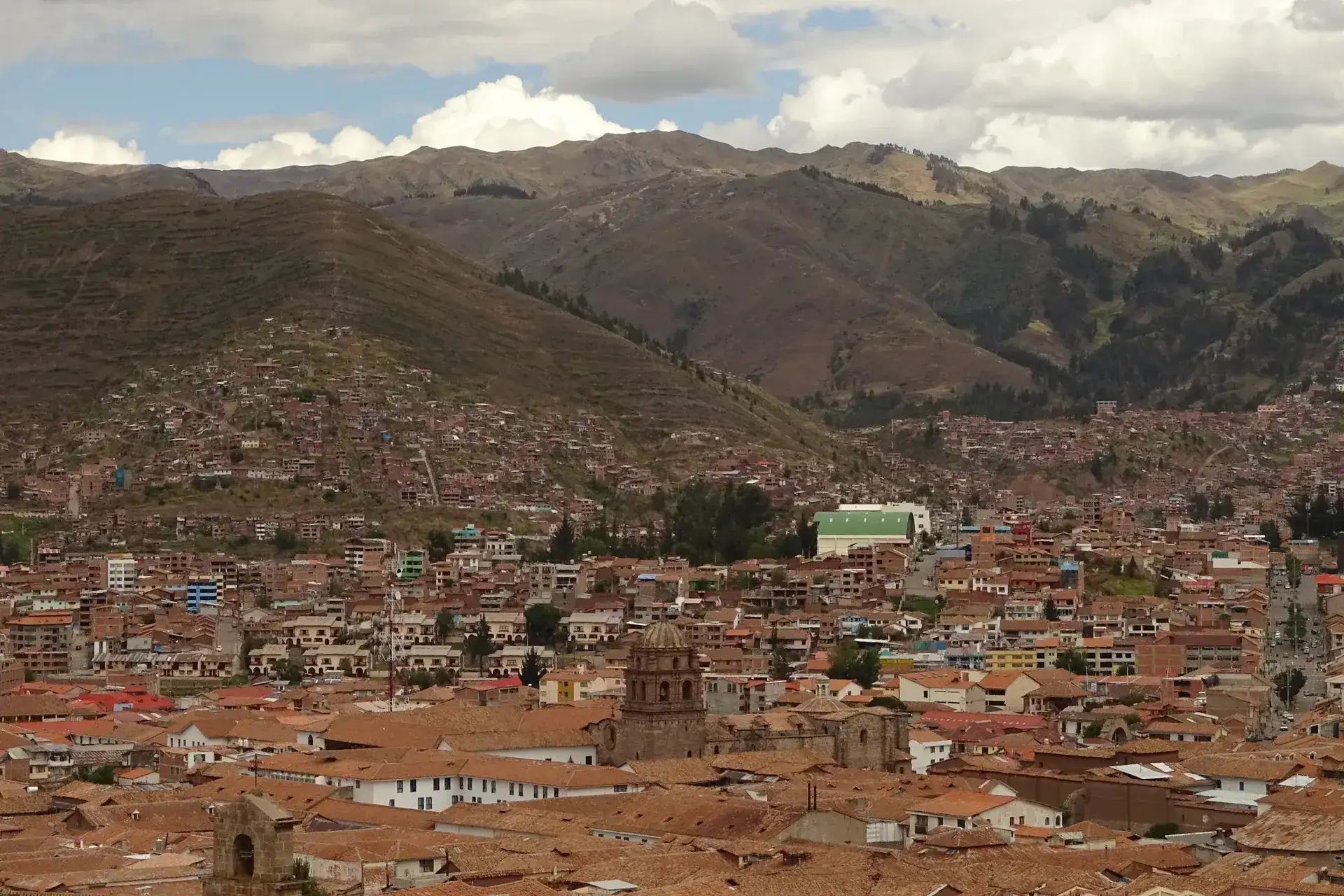
As you walk down Avenida El Sol, away from the Plaza de Armas, the colonial mansions gradually give way to modern buildings, wide avenues and neighbourhood shops. You've reached Wanchaq, one of the districts that make up the city of Cusco. There are no Inca walls or baroque churches here, but there is the everyday life of Cusqueños: markets, schools, offices, set-menu restaurants and parks where children play. The airport is also in this district. This guide explains what Wanchaq offers, when it makes sense to stay there and how to get around.
Start here: Cusco tips · things to do in Cusco
What Wanchaq is
Wanchaq is an urban district south-east of the historic centre. It starts roughly where Avenida El Sol ends and stretches along Avenida de la Cultura, one of the city's main arteries, to the airport area. It's mainly residential and commercial, with flat streets, unusual in Cusco, which makes it easy to walk.
Popular activities on GetYourGuide
Wanchaq market
Wanchaq market is a more local, quieter alternative to San Pedro market. It has stalls of fruit, vegetables, meat and bread and, above all, a food and juice section where locals have breakfast and lunch. There are far fewer tourists and the atmosphere is authentic.
Tip
Go in the morning to see the market in full swing and try a fruit juice or a broth for breakfast.
- Wanchaq Market: where Cusco locals really shop
- How to shop at Cusco's markets: bargaining, yapa and safety
The Pachacútec monument
At the end of Avenida El Sol, at the Pachacútec roundabout, stands a monument to the Inca who turned Cusco into the capital of an empire. It's a handy landmark and a good photo spot.
Wanchaq station and the train to Puno
Tourist trains to Puno and Lake Titicaca leave from Wanchaq station. If you're taking that train, staying nearby can save you an early transfer. Note: trains to Machu Picchu don't leave from here, but from Poroy, San Pedro (in certain seasons) or Ollantaytambo.
- Cusco to Puno and Lake Titicaca: bus, tourist bus, train or plane
- Cusco to the Sacred Valley and Ollantaytambo: colectivo, taxi, tour and train
Close to the airport
Cusco's international airport is at the edge of Wanchaq. From Avenida de la Cultura the taxi ride is short, so Wanchaq is a good option if you have a very early flight or arrive late at night.
A little history
Until the mid-20th century, much of today's Wanchaq was farmland and haciendas on the outskirts of the city. After the 1950 earthquake and population growth, Cusco expanded to the south-east and new housing estates, avenues and services appeared. That's why its layout is more regular and modern than the historic centre, and why many Cusqueño families live here.
Is it worth staying in Wanchaq?
Pros
- Accommodation and food prices generally lower than in the centre.
- Quieter streets at night.
- Flat terrain, welcome at altitude.
- Close to the airport, the Puno train station, supermarkets and malls.
Cons
- Less charm: it's a modern district with no colonial architecture.
- You'll need a taxi or a 15–30 minute walk to reach the Plaza de Armas.
- Fewer visitor-oriented restaurants and less tourist nightlife.
Wanchaq suits long-stay travellers, digital nomads, families looking for quiet, or anyone with a very early flight.
- Cusco for digital nomads: internet, neighbourhoods, coworking and daily life
- Where to stay in Cusco: best areas for your trip and budget
Eating in Wanchaq
Wanchaq is the land of set menus, chicken rotisseries, chifas and neighbourhood cevicherías, priced for locals. Around Avenida de la Cultura and the market you'll find plenty of options. Don't expect English menus everywhere: it's a good chance to practise your Spanish.
- Chifa in Cusco: Chinese-Peruvian food and where to try it
- Street food in Cusco: anticuchos, emoliente, picarones and more
Supermarkets and services
In and around the area there are supermarkets, pharmacies, clinics, banks and ATMs. It's practical for stocking up before a trek or for long stays.
- Supermarkets and malls in Cusco: where to stock up
- Money in Cusco: soles, ATMs, exchange offices and cards
Getting around
- On foot: from the Pachacútec roundabout to the Plaza de Armas takes about 20 minutes along Avenida El Sol, gently uphill.
- Taxi: plentiful and cheap; use company taxis or apps.
- City bus: many routes run along Avenida de la Cultura and Avenida El Sol.
Safety
As in any urban area, avoid poorly lit streets at night and don't flash valuables. Check opening hours before heading to any market or service.
- Getting around Cusco: taxis, ride apps, city buses and colectivos
- Is Cusco safe? Real risks and practical tips for a worry-free trip
Before you go

Airport transfer
Book a private Welcome Pickups transfer from Cusco airport to your hotel before you land, with your driver waiting in arrivals. Check the price and cancellation terms when booking.
Book your airport transfer →Frequently asked questions
- Is Wanchaq safe?
- It's a residential and commercial district with lots of local life; take the usual city precautions, especially at night.
- How far is Wanchaq from the Plaza de Armas?
- It depends on where, but generally 15 to 30 minutes on foot or a few minutes by taxi.
- Does the Machu Picchu train leave from Wanchaq?
- No. Trains to Puno leave from Wanchaq station. Machu Picchu trains leave from Poroy, San Pedro or Ollantaytambo.
- Is it a good area for an early flight?
- Yes, the airport is in the same district and the ride is short.
Book this plan
- Cusco walking tourCompareSee dates →
- Cusco city tourCompareSee dates →
Notice: This guide shares advice and recommendations based on research and local experience. Prices, opening hours and rules may change: always check with official sources and operators. Cusco Tips is not responsible for third-party services, bookings or decisions made using these guides; some links are affiliate links (see our affiliate policy).
Related guides

Wanchaq Market: where Cusco locals really shop
Wanchaq Market in Cusco: how to get there, what to buy (bread, cheese, chocolate), where to have breakfast or lunch, and tips. Check opening times before you go.
Read guide →
Cusco airport to the city centre: taxi, ride apps, transfers and approximate prices
How to get from Alejandro Velasco Astete airport to central Cusco or straight to the Sacred Valley: options, times, approximate prices and safety tips.
Read guide →
Cusco to Puno and Lake Titicaca: bus, tourist bus, train or plane
How to get from Cusco to Puno: direct bus (about 6–7 h), tourist bus with stops at Raqchi and La Raya, scenic train or flight to Juliaca. Altitude, tips and what to see on Titicaca.
Read guide →
San Pedro neighbourhood in Cusco: market, Santa Clara arch and churches
A guide to San Pedro: the market, Calle Santa Clara and its arch, the San Pedro and Santa Clara churches, Plaza San Francisco and tips for staying and getting around.
Read guide →