
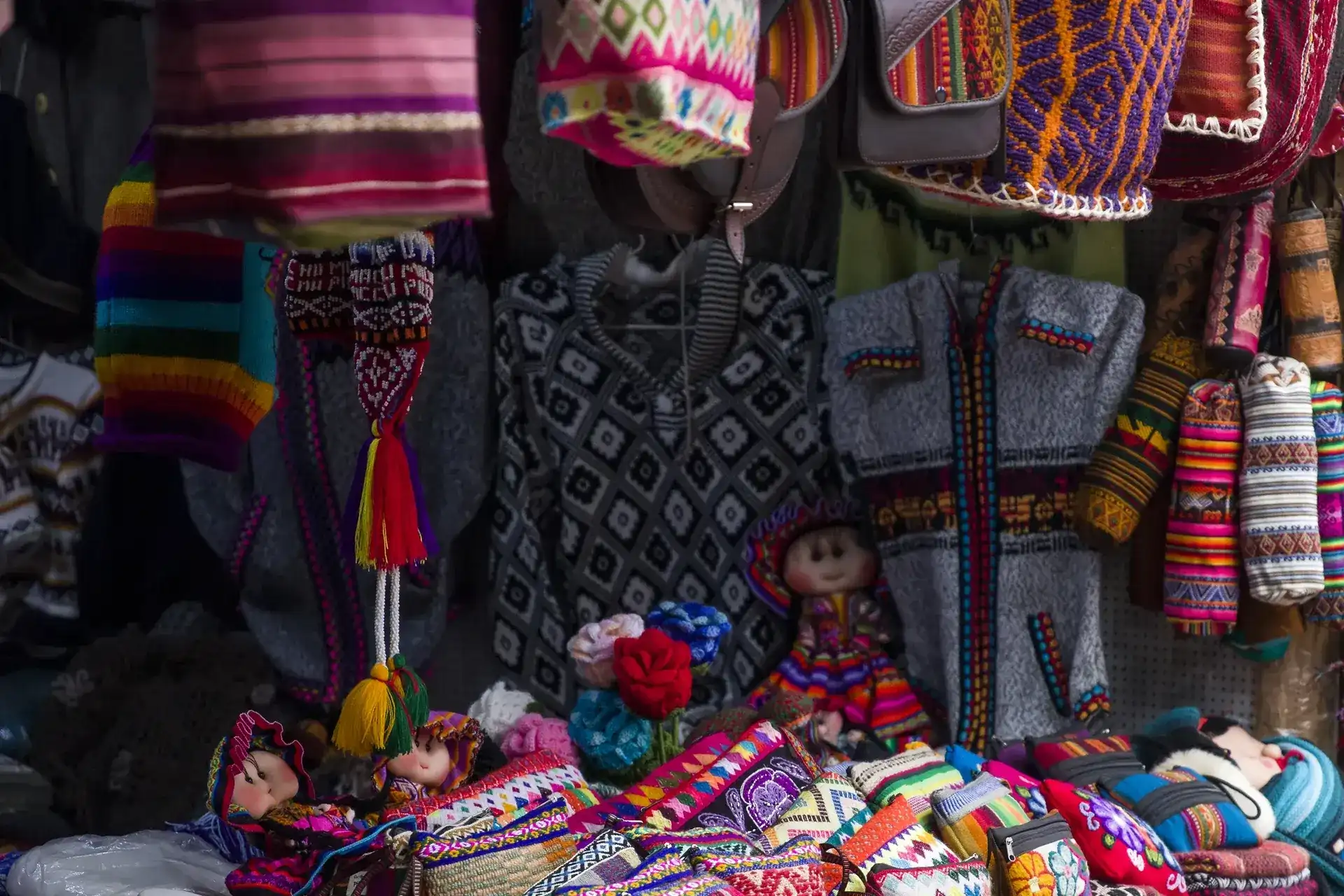
If San Pedro is the market every traveller knows, Wanchaq Market is where Cusco people do their weekly shop. It sits about twenty to twenty-five minutes on foot from the Plaza de Armas, in the Wanchaq district, and barely appears in guidebooks. That's exactly why it's worth a visit: here you'll see how the city really shops and eats, with prices aimed at neighbours rather than tourists. This guide explains how to get there, what you'll find, where to have breakfast or lunch and how to find your way around inside.
Tours to explore Cusco's markets
Start here: Cusco tips · things to do in Cusco
A neighbourhood market almost seventy years old
Wanchaq Market opened in 1956, when the neighbourhood was growing fast outside the historic centre and residents had been asking for years for a market of their own. For a while it was known as the Odría market, after the president of the time, but today everyone simply calls it the Wanchaq market. It's a large municipal building with hundreds of stalls that has added sections over the decades.
To understand its role, just look at who shops there: families filling bags with vegetables, cooks from local restaurants, students grabbing breakfast before class and workers having a quick set lunch. It's an everyday market, not a showcase, and that's what makes it so interesting for curious travellers.
How to get there from the centre
The market is on Avenida Garcilaso, opposite La Salle school, in the Wanchaq district. From the Plaza de Armas you can walk down Avenida El Sol heading south-east; the walk is flat and takes about twenty to twenty-five minutes.
- On foot: walk down Avenida El Sol and turn onto Avenida Garcilaso. It's the easiest way to combine the visit with a stroll through the modern part of town.
- By taxi or app: a short ride from the centre. Ask to be dropped at the Wanchaq market, opposite La Salle school.
- By city bus: several lines stop at the Mercado Wanchaq stop. If you don't know the system, ask the driver before getting on.
What you'll find inside
Like most Peruvian food markets, Wanchaq is organised by sections. These are the most interesting for travellers:
- Cusco breads: the market is known for its breads and sweet buns. Look for pan chuta, a large round bread typical of the Oropesa area, and the bizcochos locals dunk in hot chocolate.
- Cheese: fresh Andean cheeses, perfect for a breakfast with bread and fruit.
- Chocolate and cacao: drinking-chocolate tablets for making hot chocolate, one of the products shoppers mention most.
- Fruit and juices: fruit from the jungle and the valleys, plus fresh juice stalls.
- Vegetables, native potatoes and Andean grains: corn, quinoa, broad beans and dozens of potato varieties.
- Meat and fish: sections for cooks and locals; if you're not cooking, just look.
To take home
Drinking chocolate and bizcochos travel well and make a very Cusco edible souvenir. Buy only what you need and always ask the price first.
Breakfast and lunch at Wanchaq
The food area is one of the best reasons to come. There are breakfast stalls with juices, sandwiches, emoliente (a warm herbal drink) and broths, and at midday they serve set menus and main dishes at neighbourhood prices. Some travellers single out the soups and broths upstairs, perfect for warming up on cold Cusco mornings.
- Choose busy stalls: if locals are eating there, food turns over and is freshly made.
- Ask what's on today: menus change and there isn't always a written list.
- Bring cash in small notes and coins.
- If you've just arrived at altitude, start with something light, like a broth or a juice.
- What and where to eat in Cusco: typical dishes, markets and tips
- San Pedro Market in Cusco: what to eat, what to buy, opening hours and tips
Opening hours and best time to go
The market opens very early and, according to directories, usually runs from first thing in the morning until mid-afternoon, closing a little earlier at weekends. Hours can change on public holidays or for management reasons, so check opening times before you go.
The best time is between eight and eleven in the morning: there's more choice, breakfasts are in full swing and the lunchtime rush hasn't started yet. If you want to eat, arrive before one to find a seat.
Wanchaq or San Pedro: which to choose
San Pedro is next to the historic centre, has more souvenir stalls and is used to tourism. Wanchaq is a little further away, has almost no crafts and is calmer. If you only have time for one and want to see the most famous market, go to San Pedro. If you already know it or want a more local experience, Wanchaq is a great alternative.
- San Pedro Market in Cusco: what to eat, what to buy, opening hours and tips
- Local markets in Cusco: Wanchaq, Huancaro, Vinocanchón and beyond San Pedro
Practical tips
- Bring cash: most stalls don't take cards.
- Keep an eye on your bag and phone, as in any busy market.
- Ask before photographing vendors or their stalls.
- Wash or peel fruit before eating it if your stomach is still adjusting.
- Bring a reusable bag for your shopping.
- Combine the visit with a walk along Avenida El Sol or with Wanchaq train station, which is in the same area.
- Is Cusco safe? Real risks and practical tips for a worry-free trip
- Money in Cusco: soles, ATMs, exchange offices and cards
Frequently asked questions
- Where is Wanchaq Market?
- On Avenida Garcilaso, opposite La Salle school, in the Wanchaq district, about twenty to twenty-five minutes on foot from the Plaza de Armas.
- What can you buy at Wanchaq Market?
- Mainly Cusco breads, cheese, drinking chocolate, fruit, vegetables, native potatoes and Andean grains. There are almost no crafts.
- Can you eat at Wanchaq Market?
- Yes, it has a food area with breakfasts, juices, broths and set lunches at neighbourhood prices.
- Is it better than San Pedro Market?
- Neither better nor worse: it's more local and calmer, while San Pedro is more central and touristy.
Book this plan
- Cusco food tourCompareSee dates →
- Cusco city tourCompareSee dates →
Notice: This guide shares advice and recommendations based on research and local experience. Prices, opening hours and rules may change: always check with official sources and operators. Cusco Tips is not responsible for third-party services, bookings or decisions made using these guides; some links are affiliate links (see our affiliate policy).
Related guides
San Pedro Market in Cusco: what to eat, what to buy, opening hours and tips
Guide to San Pedro Central Market: sections, juices, cheap food, breads, cheeses and Andean produce, approximate hours, safety and how to get there from the Plaza de Armas.
Read guide →
Rosaspata Market: juices, breakfasts and farm produce in Cusco
Rosaspata Market, a neighbourhood market near central Cusco: juices, breakfasts, broths and produce from small farmers. Check opening times before you go.
Read guide →
Local markets in Cusco: Wanchaq, Huancaro, Vinocanchón and beyond San Pedro
Cusco's local markets beyond San Pedro: Wanchaq, Huancaro, Vinocanchón, Rosaspata, the Baratillo and Cascaparo. What to find, when to go, what to eat and safety tips.
Read guide →
Cusco's Saturday farmers' market: the producer-to-consumer fair
The Saturday producer-to-consumer fair in San Sebastián: native potatoes, cheese, coffee, cacao, honey and food. How to get there and tips. Check times before you go.
Read guide →