
Santa Ana neighbourhood in Cusco: viewpoints, history and a quieter Cusco
Updated:
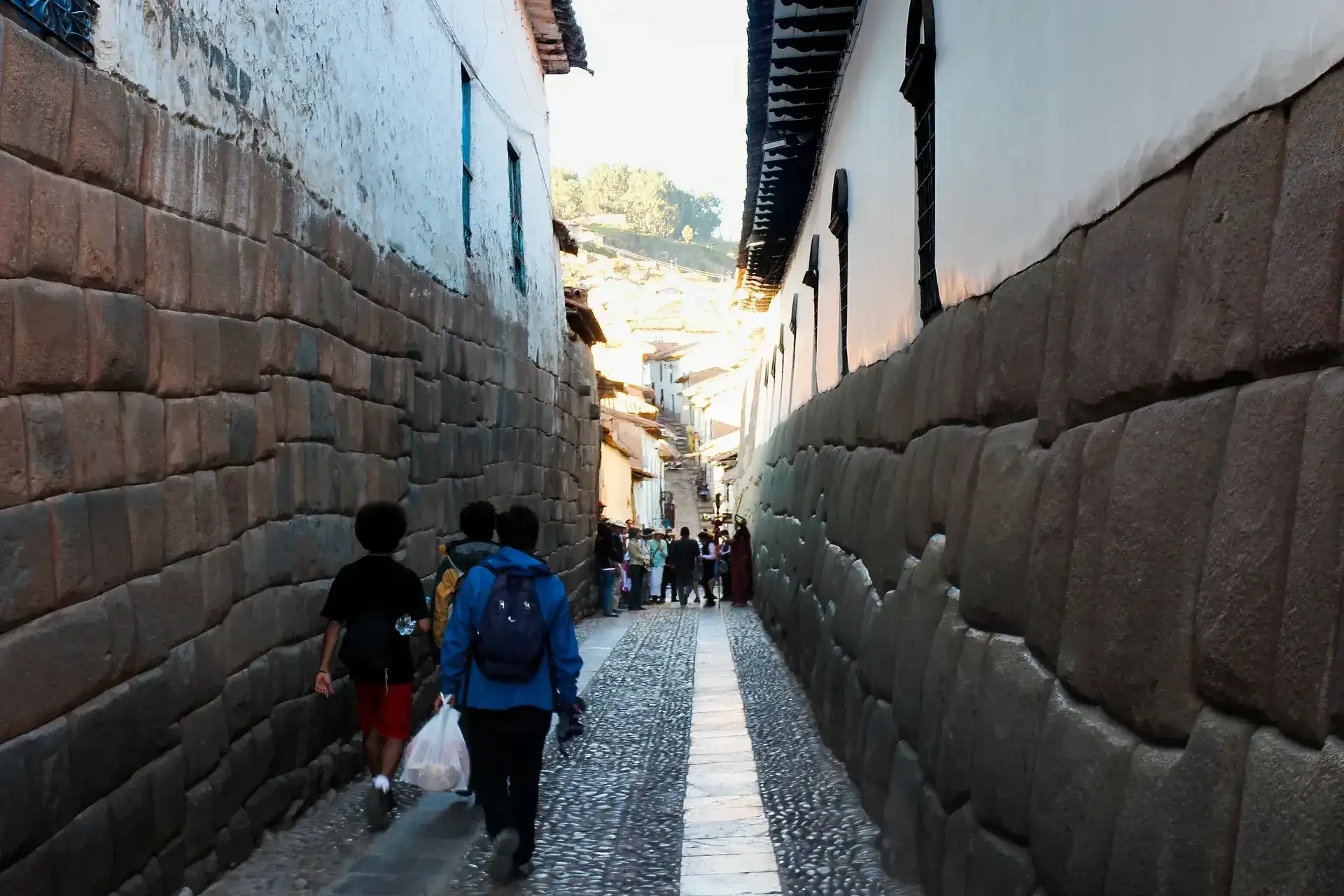
North-west of the Plaza de Armas, on the hillside where the Inca road left for the north of the empire, lies the Santa Ana neighbourhood. It's residential, steep and quiet, with a colonial church of great artistic importance and some of the prettiest views of the city. Few visitors make it up here, which makes it a good place to see everyday Cusco and, for some travellers, a cheaper and quieter place to stay. This guide covers what to see, how to get there and what to keep in mind.
Plan Machu Picchu with our PDF guides
Machu Picchu tours
Start here: Cusco tips · things to do in Cusco
History: the gateway to Chinchaysuyo
In Inca times, the Carmenca area, where Santa Ana is today, was the starting point of the road to Chinchaysuyo, the northern region of Tahuantinsuyo that reached present-day Ecuador. After the conquest, the Spanish founded one of the city's indigenous parishes here, dedicated to Saint Anne. For centuries the neighbourhood was the entrance to Cusco for those arriving from Lima and the north, which is why it keeps the feel of an old outskirts district, with adobe houses, balconies and sloping streets.
Popular activities on GetYourGuide
Santa Ana church and the Corpus Christi series
Santa Ana church, of colonial origin, is famous for commissioning in the 17th century the celebrated Corpus Christi series, a set of Cusco School canvases depicting the procession with its saints, brotherhoods and figures of the time. It's one of the most valuable visual records of colonial Cusco. Today much of the series is kept in the Museum of Religious Art in the Archbishop's Palace. The church remains the heart of neighbourhood life, and its image takes part in the great Corpus Christi procession.
Tip
Neighbourhood churches don't always open to the public outside mass times. Check opening hours before you go.
- The Cusco School of painting: where to see it and how to buy a reproduction
- Corpus Christi in Cusco: dates, the saints' procession, chiriuchu and tips
- Churches of Cusco: La Compañía, San Blas, La Merced, San Francisco and more
Santa Ana viewpoint
Next to the church is a small terrace with a panoramic view over the red roofs of the centre, the Cathedral and the mountains around the valley. At sunset the light over the city is beautiful. It's less known than the San Cristóbal or San Blas viewpoints, so it's usually quiet.
- The best viewpoints in Cusco: where to see the city from above
- The best photography spots in Cusco and around
Calle Saphy and around
Calle Saphy climbs from the Plaza de Armas to the north-west, following the old course of the Saphy river, now channelled underground. Its lower stretch has restaurants, bars, hostels and shops, and is one of the areas with nightlife near the centre. As you climb, it becomes residential and you approach Santa Ana.
- Rock bars in Cusco: where to hear rock and live music
- Cusco nightlife: areas, live music, peñas and how to go out safely
Getting there
- On foot: from the Plaza de Armas, climb Calle Saphy or the streets near San Pedro market. It's a 15–20 minute uphill walk, with stretches of steps.
- Taxi: if you've just arrived or are struggling with the altitude, it's a good option to go up and then walk down.
Altitude
Santa Ana is above the centre. If you're new to Cusco, climb slowly and drink water.
- Altitude sickness in Cusco: how to prevent it and what to do
- Getting around Cusco: taxis, ride apps, city buses and colectivos
Is it worth staying in Santa Ana?
Pros
- Local atmosphere and quiet at night.
- Hostels and guesthouses generally cheaper than in the tourist core.
- Views from many terraces and rooms.
- Close to San Pedro market and San Pedro station.
Cons
- Steep streets and steps: every return is a small climb.
- Some streets are poorly lit at night; it's better to come back by taxi.
- Fewer restaurants in the neighbourhood itself.
It suits budget travellers who are already acclimatised and looking for quiet.
- Where to stay in Cusco: best areas for your trip and budget
- Hostels in Cusco: areas, what to check before booking and backpacker tips
How to combine the visit
A half-day walk can start at San Pedro market, continue through the San Pedro neighbourhood and climb to Santa Ana to see the church and viewpoint, then head down Calle Saphy to the Plaza de Armas for lunch. If you still have energy, you can carry on to San Cristóbal and Sacsayhuamán.
- San Pedro Market in Cusco: what to eat, what to buy, opening hours and tips
- San Pedro neighbourhood in Cusco: market, Santa Clara arch and churches
- San Cristóbal, Cusco: the viewpoint neighbourhood above the Plaza de Armas
- Sacsayhuamán: how to visit, tickets, history and tips
Safety
Santa Ana is a residential neighbourhood where Cusco families live. By day it's calm for walking. At night, as in other high, quiet areas, avoid walking alone on dark streets and take a taxi back. If you're returning late from the bars on Calle Saphy, ask the venue to call you a taxi and always carry your accommodation's address written down.
Frequently asked questions
- What is there to see in Santa Ana?
- Santa Ana church, the viewpoint next to it and the atmosphere of its old streets, plus Calle Saphy.
- Where are the Santa Ana Corpus Christi paintings?
- Much of the series is kept in the Museum of Religious Art in Cusco's Archbishop's Palace.
- Is it a good place to stay?
- It can be if you want quiet and lower prices, as long as you don't mind hills.
- How long does it take from the Plaza de Armas?
- About 15 to 20 minutes walking uphill.
Book this plan
- Cusco walking tourCompareSee dates →
- Cusco city tourCompareSee dates →
Notice: This guide shares advice and recommendations based on research and local experience. Prices, opening hours and rules may change: always check with official sources and operators. Cusco Tips is not responsible for third-party services, bookings or decisions made using these guides; some links are affiliate links (see our affiliate policy).
Related guides

San Pedro neighbourhood in Cusco: market, Santa Clara arch and churches
A guide to San Pedro: the market, Calle Santa Clara and its arch, the San Pedro and Santa Clara churches, Plaza San Francisco and tips for staying and getting around.
Read guide →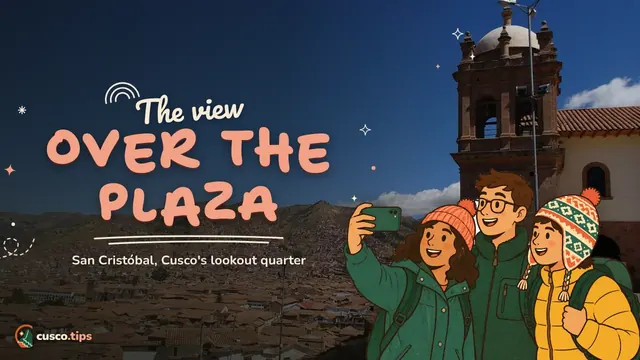
San Cristóbal, Cusco: the viewpoint neighbourhood above the Plaza de Armas
A guide to Cusco's San Cristóbal neighbourhood: its church and viewpoint, the Inca palace of Colcampata, steep lanes, walking up to Sacsayhuamán and whether to stay there.
Read guide →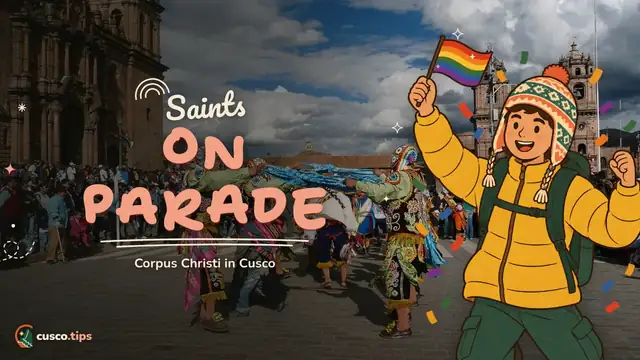
Corpus Christi in Cusco: dates, the saints' procession, chiriuchu and tips
Corpus Christi in Cusco guide: when it is, the saints arriving at the Cathedral, the procession on the Plaza de Armas, chiriuchu, the octave and tips for enjoying the festival.
Read guide →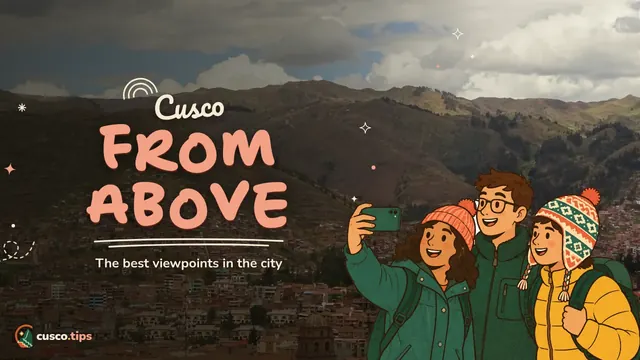
The best viewpoints in Cusco: where to see the city from above
The best viewpoints in Cusco: San Cristóbal, San Blas, Cristo Blanco, Sacsayhuamán, Santa Ana and more, how to get there, best time for photos and safety tips.
Read guide →