
Cusco isn't just for backpackers and trekkers. Every year many older travellers visit and enjoy its churches, museums, markets and, of course, Machu Picchu. The key is good planning: altitude, steep streets and the early starts of some tours demand more than a normal city break. This guide gathers advice for travelling at a relaxed pace, choosing tours that suit you and looking after your health. It doesn't replace the advice of your doctor, whom you should talk to before the trip.
Start here: Cusco tips · things to do in Cusco
Before you go: talk to your doctor
Cusco sits at about 3,400 metres. If you have heart or breathing problems, high blood pressure or anaemia, or take regular medication, see your doctor before booking. Ask about preventive medication for altitude sickness and carry your medicines in hand luggage with prescriptions.
- Altitude sickness in Cusco: how to prevent it and what to do
- Health in Cusco: vaccines, yellow fever, water, sun and first-aid kit
Popular activities on GetYourGuide
A gentle-paced itinerary
- Start in the Sacred Valley, which is lower than Cusco, and sleep there the first nights.
- Visit Machu Picchu from the valley, with a night in Aguas Calientes to avoid a fourteen-hour day.
- Finish in Cusco, already acclimatised, with short visits and free afternoons.
- Leave a day with no plans to rest.
It's better to see less calmly than to try to cover everything.
- Sacred Valley and Machu Picchu in 2 days: the connecting tour explained
- Where to stay in the Sacred Valley: Pisac, Urubamba, Ollantaytambo and more
- How many days in Cusco + 3, 5 and 7-day itineraries
Suitable tours
- Private tours: you set the pace, the stops and the breaks.
- City tour by vehicle: Sacsayhuamán, Qenqo and Tambomachay with little walking.
- Sacred Valley with a driver: Pisac, Moray, Maras and Ollantaytambo, choosing how much to walk at each.
- Scenic train to Machu Picchu, more comfortable in upper classes.
- Planetarium, museums and dance shows in the evening.
Avoid Rainbow Mountain and Humantay Lake, which are above 4,000 metres, or discuss them with your doctor.
- Private driver in Cusco and the Sacred Valley: when it's worth it and how to hire one
- Half-day tours in Cusco: the best options if you're short on time
- Trains to Machu Picchu: stations, companies and which class to choose
Machu Picchu at a calm pace
- The circuits have steps and stretches without handrails; some are easier than others.
- The bus from Aguas Calientes saves the climb on foot.
- A private guide can adapt the pace and stops.
- Bring walking poles if you use them regularly; check the current rules on using them inside the sanctuary.
- Machu Picchu circuits explained: which to choose (1, 2 or 3) and what you see
- Machu Picchu rules: what to bring, bag size, banned items and guides
Accommodation
- A lift or a ground-floor room: many colonial mansions have stairs.
- A flat location: the centre near the Plaza de Armas or Avenida El Sol is flatter than San Blas or San Cristóbal.
- Hotels with oxygen: some offer oxygen-enriched rooms or tanks for emergencies.
- Heating: nights are cold in the dry season.
- Hotels with oxygen rooms in Cusco: what they are, whether they work and who needs them
- Where to stay in Cusco: best areas for your trip and budget
- Avenida El Sol: what to see and whether to stay on Cusco's main avenue
Getting around Cusco
- Use taxis or ride apps instead of walking up the hills.
- Cobbled streets get slippery in the rain: wear shoes with good soles.
- Pavements are narrow and steps are uneven; walk slowly.
Looking after your health at altitude
- Go slowly the first days: walk slowly and rest.
- Drink water often and avoid alcohol at first.
- Light meals, especially in the evening.
- Coca tea is common, though it doesn't replace medication.
- Strong sun: hat, sunglasses and sunscreen.
- With severe symptoms, such as difficulty breathing or confusion, seek medical help immediately.
- Altitude sickness in Cusco: how to prevent it and what to do
- Coca leaf in Cusco: tea, chewing, altitude sickness and whether you can take it home
Calm activities worth doing
- Qorikancha and the Pre-Columbian Art Museum: art and history in comfortable spaces with benches to rest.
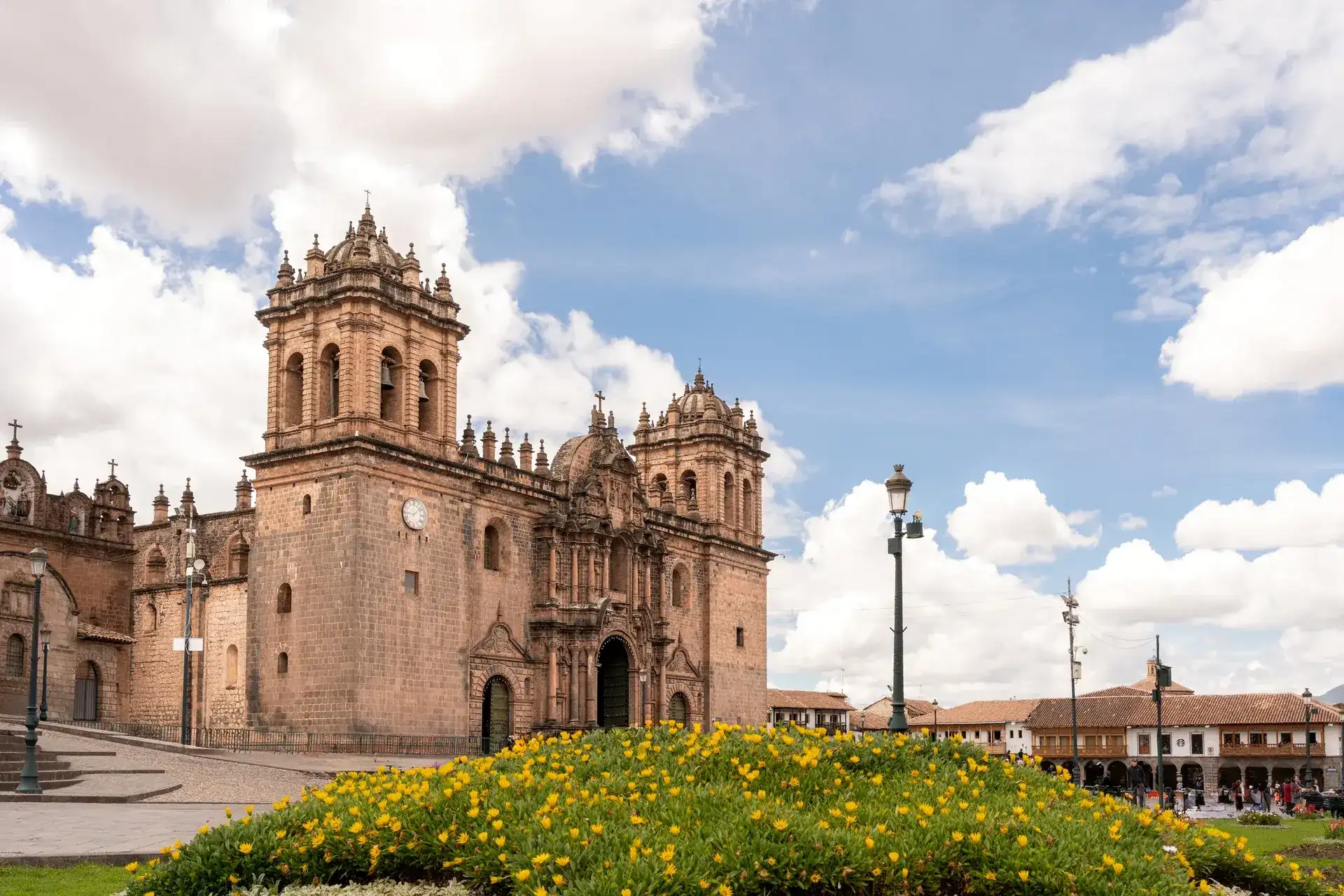
- The Cathedral and its famous Last Supper with guinea pig, at your own pace.
- San Pedro market in the morning, to see Andean produce and have a fruit juice.
- A dance show at Centro Qosqo de Arte Nativo, seated and indoors.
- A cooking class: a calm, social and delicious activity.
- Chinchero with its colonial church and weaving demonstrations.
- Qorikancha, the Temple of the Sun: tickets, hours, what to see and history
- Museum of Pre-Columbian Art Cusco (MAP): what to see and how to visit
- Cusco Cathedral: what to see inside, the Last Supper with guinea pig, tickets and hours
- San Pedro Market in Cusco: what to eat, what to buy, opening hours and tips
- Cooking classes in Cusco: what to expect, typical dishes and how to choose
- Chinchero: weaving, Inca ruins and market between Cusco and the Sacred Valley
Eating well without problems
Try local food gradually. Choose restaurants with good hygiene, start with simple dishes such as soups or rotisserie chicken and leave cuy or chicharrón until you're acclimatised. Ask for dishes without chilli if you're not used to it.
- What and where to eat in Cusco: typical dishes, markets and tips
- Traditional breakfast in Cusco: adobo, chicken soup, juices and pan chuta
Travel insurance
Choose insurance that covers the traveller's age, pre-existing conditions if any, medical evacuation and altitude. Read the exclusions carefully.
Best time
April to May and September to October usually bring good weather and fewer people than peak season. July and August are busier, with very cold nights.
- Best time to visit Cusco and what to pack
- Cusco weather by month: temperatures, rain and what to expect
Travelling with family or a group
If you travel with children or grandchildren, plan separate activities for the most demanding days: while some go to Rainbow Mountain, others can visit museums or rest at the hotel.
- Cusco with kids: altitude, itinerary and family activities
- Family accommodation in Cusco: what to look for and where to stay with kids
Frequently asked questions
- Is Cusco suitable for older travellers?
- Yes, with good planning, acclimatisation and a medical check beforehand.
- How do I avoid altitude sickness?
- Start in the Sacred Valley, go up slowly, stay hydrated and talk to your doctor.
- Can I visit Machu Picchu with reduced mobility?
- All circuits have steps; a private guide and the bus help, but check your case.
- Which tours should I avoid?
- High-altitude ones such as Rainbow Mountain or Humantay, unless your doctor approves.
Book this plan
- Cusco city tourCompareSee dates →
- Sacred Valley tourCompareSee dates →
- Machu Picchu day trip from CuscoCompareSee dates →
Notice: This guide shares advice and recommendations based on research and local experience. Prices, opening hours and rules may change: always check with official sources and operators. Cusco Tips is not responsible for third-party services, bookings or decisions made using these guides; some links are affiliate links (see our affiliate policy).
Related guides

Altitude sickness in Cusco: how to prevent it and what to do
Cusco sits at about 3,400 m. Altitude sickness symptoms, warning signs, how to acclimatize, coca tea, medication and when to do the highest day trips.
Read guide →
Private driver in Cusco and the Sacred Valley: when it's worth it and how to hire one
What hiring a private driver in Cusco offers: Sacred Valley routes at your pace, advantages over shared tours, how to choose one and what to agree before setting off.
Read guide →
Hotels with oxygen rooms in Cusco: what they are, whether they work and who needs them
What oxygen-enriched rooms in Cusco hotels are, how they work, who they're useful for and what alternatives there are for sleeping better at altitude.
Read guide →
Multi-day Cusco tour packages: what's included and whether they're worth it
3 to 7-day packages in Cusco, the Sacred Valley and Machu Picchu: what they usually include, pros versus planning it yourself, what to check in the itinerary and red flags.
Read guide →