
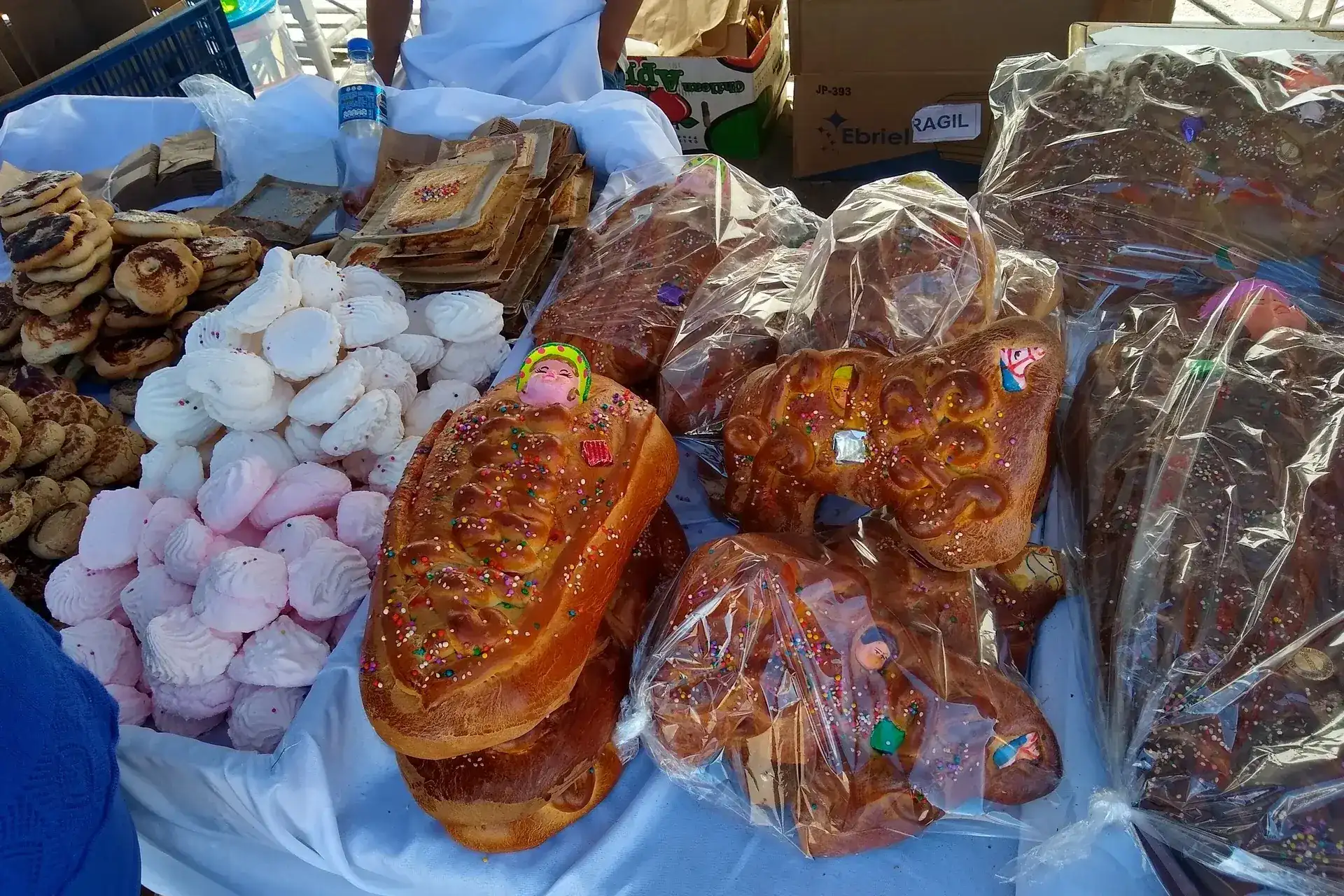
In late October, Cusco's bakeries fill with breads shaped like babies and horses, the smell of roast pork drifts out of homes and families carry flowers and food to the cemeteries. This is All Saints' Day, or "Todos Santos" as locals say: a time to remember the dead by eating, sharing and often laughing. For travellers it is one of the best windows into everyday Cusco life, and almost all of it happens on the street.
Start here: Cusco tips · things to do in Cusco
When it happens
Celebrations focus on 31 October and 1 November, according to the Andina news agency. 1 November, All Saints' Day, is a national holiday in Peru, and 2 November is the Day of the Dead (All Souls). In 2026, 31 October is a Saturday and 1 November a Sunday. Bread and pork fairs usually set up a few days earlier; check dates and times in each year's municipal announcements.
Popular activities on GetYourGuide
T'anta wawa and horse breads
The star is the t'anta wawa, or pan wawa: "wawa" means baby in Quechua. It is a sweet bread shaped like a swaddled child, with a painted or plaster face. Horse-shaped breads are sold alongside. Anthropologist Rossano Calvo, quoted by RPP, explains that the bread baby stands for a being that is born, and eating it represents decline: the close bond between life and death in the Andean world. Today they are mostly gifts, given by parents and godparents to children, godchildren and friends as a sign of affection.
How to buy one
Look for wood-fired ovens at the plaza fairs: the bread is sold fresh and small sizes fit easily in a daypack.
- Traditional food in Cusco: 15 dishes and drinks you have to try
- Street food in Cusco: anticuchos, emoliente, picarones and more
The bread baby baptism
A very Cusco custom is the baptism of the wawa, a parody with a "priest", parents and godparents who bless the bread baby before everyone eats it. RPP describes this tradition, and many schools and neighbourhoods still stage it. In 2025 Wanchaq district baptised a giant 10-metre bread baby and shared it free in more than 2,500 portions, according to Andina. If you come across one, it is a cheerful, open event.
- Wanchaq: modern, local Cusco between the centre and the airport
- Wanchaq Market: where Cusco locals really shop
Roast pork, tamal and sweets
The other star is lechón, oven-roasted suckling pork served with tamal, rocoto pepper and wheat bread. Andina also lists the seasonal sweets: maicillos, empanadas, condesas, bizcochuelos and suspiros. Families cook their loved ones' favourite dishes and take them as offerings. Rossano Calvo explains that sharing this food by the grave symbolically sets a table shared with the departed, hence the popular belief that souls arrive as flies and settle on the food.
Where to experience it
- Plaza Túpac Amaru in Wanchaq: in 2025 it hosted a food festival with more than 50 traditional bakers, according to Andina.
- Plaza San Francisco: in 2025 EMUFEC gathered 85 women entrepreneurs selling traditional products there.
- Markets such as San Pedro or Wanchaq, full of breads and flowers in the days before.
- La Almudena and Huancaro cemeteries, run by the public charity, are the busiest; the private Poroy cemetery also fills up.
Fair locations can change from year to year; check before you go.
- San Pedro Market in Cusco: what to eat, what to buy, opening hours and tips
- Local markets in Cusco: Wanchaq, Huancaro, Vinocanchón and beyond San Pedro
Visiting cemeteries respectfully
Cemeteries fill with families eating, praying, cleaning niches and sometimes hiring musicians. As a visitor:
- Move slowly and do not block aisles or niches.
- Ask before photographing people and avoid close-ups at moments of grief.
- Dress simply and keep your voice down.
- Do not take or ask for offering food unless invited.
Big crowds
On 1 November access roads and transport to the cemeteries jam up. Go early and watch your belongings.
Practical tips
- 1 November is a holiday: some businesses and offices close or change hours; check before you go.
- It is the shoulder of the rainy season, so pack a light rain jacket.
- 31 October is also Peru's Día de la Canción Criolla, so expect live music in peñas and restaurants.
- If you enjoy this festival, December brings Santurantikuy, the big Christmas fair on the Plaza de Armas.
- Santurantikuy: Cusco's Christmas market in the Plaza de Armas
- Rainy season in Cusco and Machu Picchu: what to expect and how to make the most of it
Frequently asked questions
- What is pan wawa?
- A sweet bread shaped like a baby (wawa in Quechua), given and eaten at All Saints together with horse-shaped bread.
- Is 1 November a holiday in Peru?
- Yes, All Saints' Day is a national holiday.
- Can tourists visit the cemeteries?
- Yes, discreetly and respectfully: it is a day of family remembrance.
- Where can I eat lechón then?
- At the fairs that usually set up in plazas like Túpac Amaru or San Francisco, and in traditional restaurants.
Official sources
Book this plan
- City tour of the Tourist Ticket sitesCompareSee dates →
- Cusco walking tourCompareSee dates →
Notice: This guide shares advice and recommendations based on research and local experience. Prices, opening hours and rules may change: always check with official sources and operators. Cusco Tips is not responsible for third-party services, bookings or decisions made using these guides; some links are affiliate links (see our affiliate policy).
Related guides
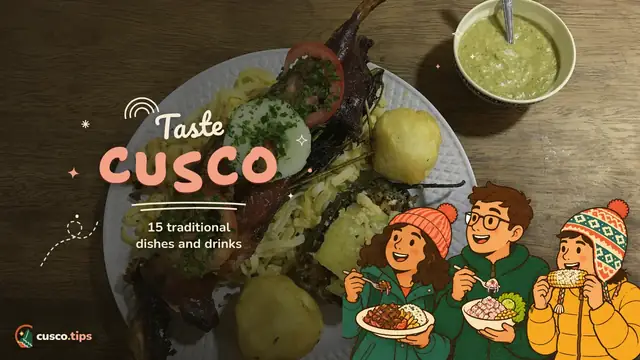
Traditional food in Cusco: 15 dishes and drinks you have to try
Cusco's traditional dishes explained: chiriuchu, adobo, chicharrón, roast cuy, kapchi, corn with cheese, lechón, trout, chuta bread and chicha, plus where and when to try them.
Read guide →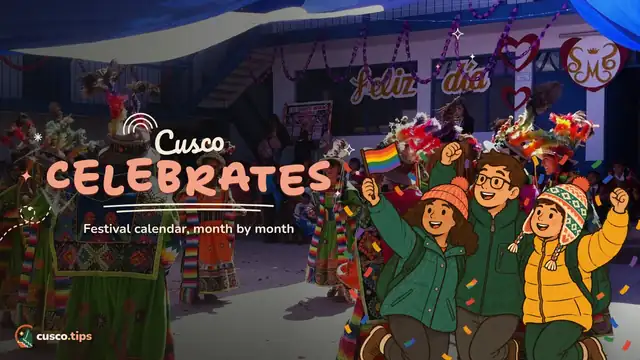
Cusco festivals: a month-by-month calendar
Calendar of the main festivals in and around Cusco: Carnival, Holy Week, Qoyllur Rit'i, Corpus Christi, Inti Raymi, Virgen del Carmen, Pachamama, Santurantikuy and more.
Read guide →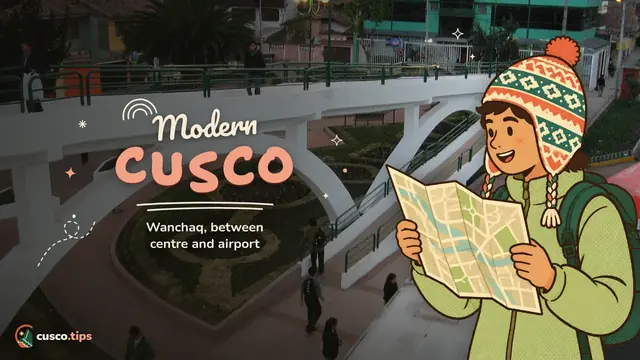
Wanchaq: modern, local Cusco between the centre and the airport
Guide to Wanchaq, Cusco's modern district: market, Avenida de la Cultura, the train station for Puno, closeness to the airport and whether it's worth staying there.
Read guide →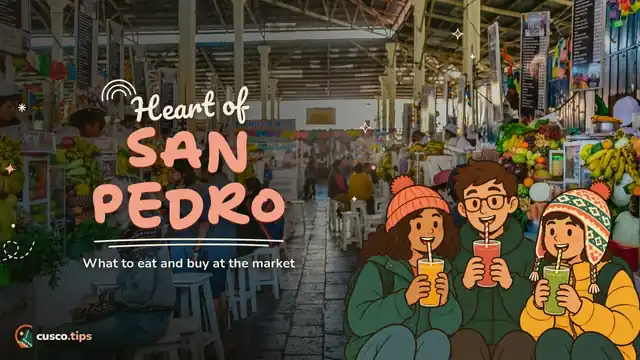
San Pedro Market in Cusco: what to eat, what to buy, opening hours and tips
Guide to San Pedro Central Market: sections, juices, cheap food, breads, cheeses and Andean produce, approximate hours, safety and how to get there from the Plaza de Armas.
Read guide →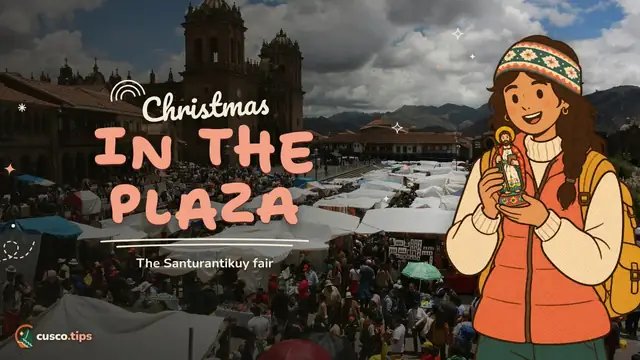
Santurantikuy: Cusco's Christmas market in the Plaza de Armas
Santurantikuy, Cusco's Christmas crafts fair: usual dates, what to buy (Niño Manuelito, retablos, ceramics), tips and how to avoid the crowds.
Read guide →