
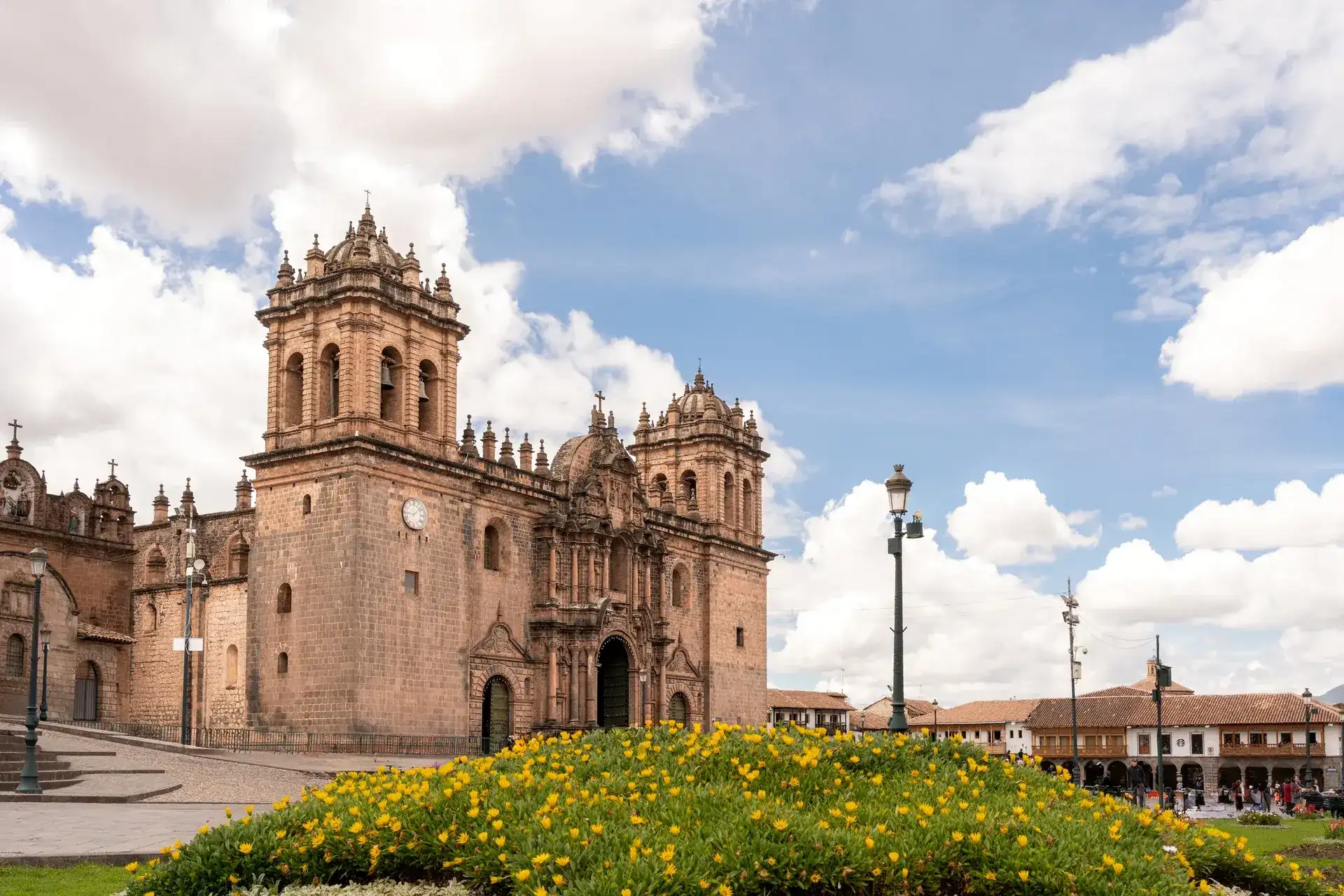
If you spend Christmas in Cusco, there's one event you shouldn't miss: Santurantikuy, the big Christmas crafts fair that fills the Plaza de Armas in the days before Christmas Eve. Thousands of nativity figures, images of the Niño Manuelito, retablos, ceramics and decorations spread across the square while Cusco families and travellers stroll between the stalls. It's one of the city's best-loved traditions and a unique chance to buy folk art directly from the people who make it.
Tours to explore Cusco's markets
Start here: Cusco tips · things to do in Cusco
What Santurantikuy means
The name mixes Spanish and Quechua and can be translated as buying or selling saints. The fair began so families could get the images and figures for their nativity scenes, which are the centrepiece of Christmas decoration in Cusco. Over time it became a great showcase of folk art, selling both religious pieces and crafts of all kinds.
At the heart of the tradition is the Niño Manuelito, Cusco's depiction of the Christ Child, with Andean features and clothing, whom many families dress and renew every year.
When it's held
Santurantikuy is traditionally held in the days before Christmas, with 24 December as the main day. In 2025, for example, the fair ran from 22 to 24 December in the Plaza de Armas, with more than a thousand artisans and exhibitors. Dates, hours and stall layout are set by Cusco's municipality each year, so check official information before your trip.
- The 24th has the best atmosphere but also the biggest crowds.
- The days before are more comfortable for browsing and buying calmly.
- Cusco festivals: a month-by-month calendar
- Plaza de Armas in Cusco: history, what to see around it and practical tips
What you can buy
- Images of the Niño Manuelito and his tiny clothes, chairs and accessories.
- Nativity figures in ceramic, plaster, wood or paste, from simple pieces to very elaborate works.
- Retablos from Ayacucho and Cusco, small boxes with religious or everyday scenes.
- Ceramics, including the famous little bulls and decorative pieces.
- Moss, plants and natural elements to decorate nativity scenes.
- Textiles, carvings, traditional toys and other crafts.
Buy from the maker
Many exhibitors are the artisans themselves. Ask about the technique and origin of each piece: it's the best way to understand what you're buying and to support craft work.
- What to buy in Cusco: authentic souvenirs and what to avoid
- Andean textiles in Cusco: weaving workshops, weaving communities and buying well
Atmosphere and traditions
The square fills up early and the mood is festive and family-friendly. You'll see families buying figures to complete their nativity scene, musicians, food and hot-drink stalls, and long queues at the most popular stalls. At night, with the cathedral lit up, the square feels very special.
During December, Cusco also has the tradition of chocolatadas, where hot chocolate and panettone are handed out, especially to children in communities and neighbourhoods.
What a Cusco nativity scene looks like
Cusco nativity scenes are much more than a manger. Besides Mary, Joseph and the Child, they usually include shepherds, llamas, sheep, mossy mountains, paper rivers and figures from everyday Andean life, such as market vendors or musicians. Many families spend days building them at home and keep them up until January. That's why the fair matters so much: every year new pieces are added and broken ones replaced.
How to avoid the crowds
- Go early in the morning, when stalls have just been set up.
- Choose the days before the 24th if you want to shop calmly.
- Bring a sturdy bag to protect fragile pieces.
- Agree a meeting point if you're in a group.
- Be patient: at peak times, walking across the square can be slow.
Safety and tips
- Watch your belongings: crowds attract pickpockets.
- Bring cash in small notes; not all stalls take cards or app payments.
- Ask for ceramic or plaster pieces to be well wrapped.
- Always ask the price first and bargain respectfully, without overdoing it.
- If you're flying with pieces, keep them in your hand luggage or well protected.
- Is Cusco safe? Real risks and practical tips for a worry-free trip
- Money in Cusco: soles, ATMs, exchange offices and cards
Christmas in Cusco: what else to do
December is rainy season in Cusco, so bring a rain jacket. Besides Santurantikuy, you can attend midnight mass at the cathedral or other churches in the centre, see the churches' nativity scenes and enjoy a Cusco Christmas dinner, where roast pork and hot chocolate take centre stage. If you like craft markets, for the rest of the year you can visit San Blas and the artisan markets in the centre.
- Rainy season in Cusco and Machu Picchu: what to expect and how to make the most of it
- Cusco's artisan markets: San Blas, Centro Artesanal, Pisac and Chinchero
- Cusco Cathedral: what to see inside, the Last Supper with guinea pig, tickets and hours
Frequently asked questions
- When is Santurantikuy?
- In the days before Christmas, with 24 December as the main day. In 2025 it ran from 22 to 24 December; dates are confirmed each year.
- Where is it held?
- In Cusco's Plaza de Armas, in front of the cathedral.
- What's sold at Santurantikuy?
- Nativity figures, images of the Niño Manuelito, retablos, ceramics, moss and crafts of all kinds.
- What's the best day to go?
- The days before the 24th, in the morning, to shop calmly. The 24th has more atmosphere but far more people.
Book this plan
- Cusco food tourCompareSee dates →
- Cusco city tourCompareSee dates →
Notice: This guide shares advice and recommendations based on research and local experience. Prices, opening hours and rules may change: always check with official sources and operators. Cusco Tips is not responsible for third-party services, bookings or decisions made using these guides; some links are affiliate links (see our affiliate policy).
Related guides
Cusco festivals: a month-by-month calendar
Calendar of the main festivals in and around Cusco: Carnival, Holy Week, Qoyllur Rit'i, Corpus Christi, Inti Raymi, Virgen del Carmen, Pachamama, Santurantikuy and more.
Read guide →
Plaza de Armas in Cusco: history, what to see around it and practical tips
Guide to Cusco's Plaza de Armas: from the Inca Huacaypata to the colonial square, the Cathedral and La Compañía, festivals, best times, viewpoints, safety and touts.
Read guide →
What to buy in Cusco: authentic souvenirs and what to avoid
The best souvenirs from Cusco: textiles and alpaca, ceramics, retablos, silver, coffee, chocolate, Andean grains and pisco; where to buy, how to bargain and what not to take home.
Read guide →
Cusco's artisan markets: San Blas, Centro Artesanal, Pisac and Chinchero
Guide to artisan markets in Cusco: the San Blas fair, Centro Artesanal, Pisac and Chinchero markets, what to buy, how to bargain respectfully and spot real alpaca.
Read guide →