
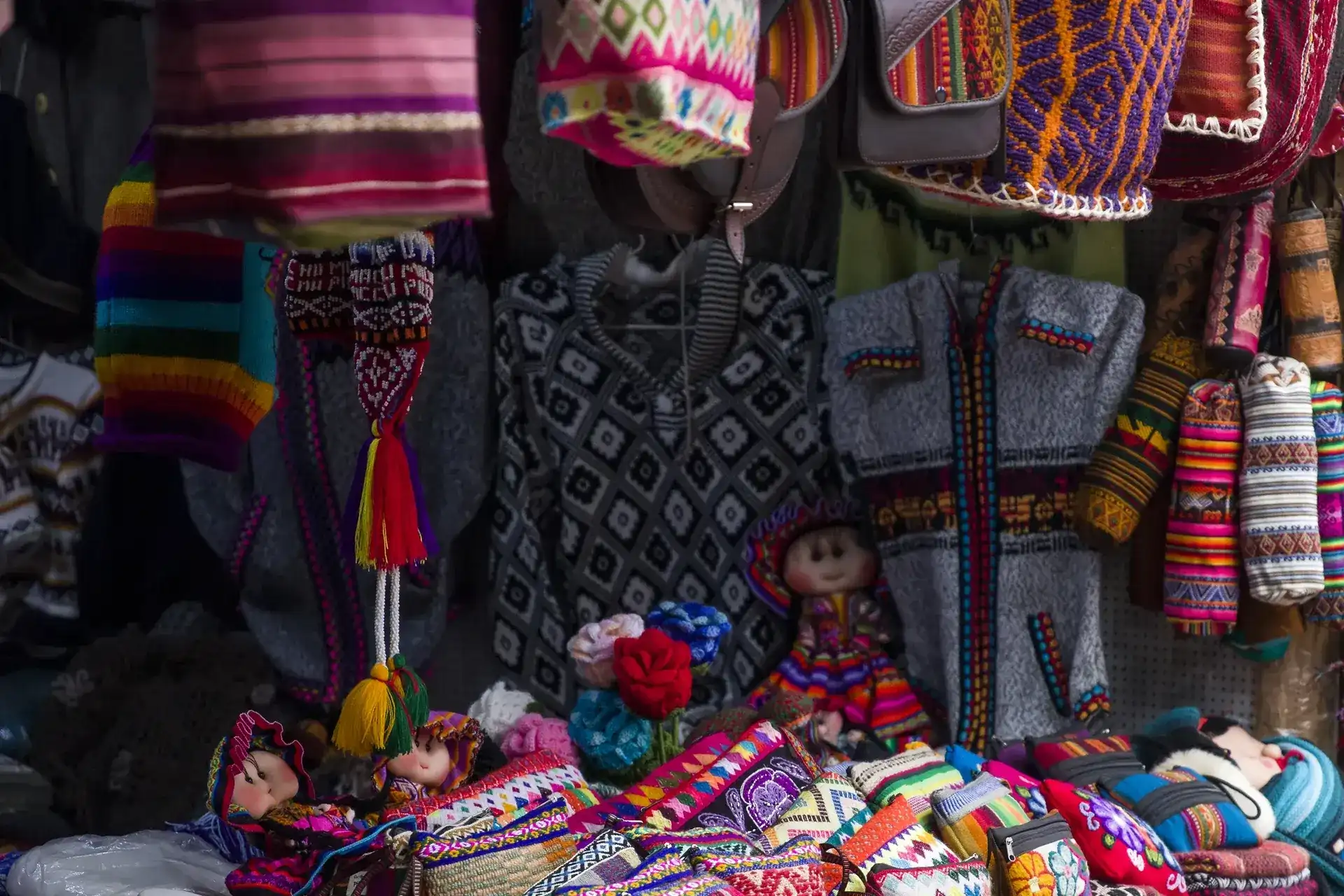
Buying souvenirs in Cusco is part of the trip, but some products sold freely in the markets can't leave Peru or can't enter your country. Coca leaves, seeds, certain foods, products from protected species or objects that look old can cause problems at the airport. This guide sums up the general rules so you can shop with peace of mind. Rules change and depend on each country, so always check your destination's official customs information before travelling.
Tours to explore Cusco's markets
Start here: Cusco tips · things to do in Cusco
Coca leaves and products
In Peru, coca leaf is legal and part of Andean culture: it's chewed, drunk as tea and used in rituals. However, in most countries coca leaf is banned or controlled because it's the raw material for cocaine. That includes leaves, coca tea bags and, in many cases, coca sweets or chocolates. Even though they're sold at Cusco airport, don't pack them if you're travelling outside the Andean region. With sniffer dogs at checks, they can cause serious problems.
- Coca leaf in Cusco: tea, chewing, altitude sickness and whether you can take it home
- Altitude sickness in Cusco: how to prevent it and what to do
Archaeological and colonial objects
Original pre-Columbian and colonial objects are national cultural heritage and exporting them is prohibited. This includes ceramics, textiles, carved stones, metals, paintings and old sculptures. If you buy a reproduction that looks old, ask for an invoice or certificate stating it's modern. If in doubt, the Ministry of Culture can issue a document certifying that the piece isn't heritage.
- The Cusco School of painting: where to see it and how to buy a reproduction
- San Blas religious imagery: saints, Niño Manuelito figures and retablos
Protected species
- Vicuña: only fibre from controlled, certified shearing is legal. Genuine vicuña garments are very expensive; be wary of cheap ones.
- Skins, feathers, shells and bones of wild animals: trading and exporting them is prohibited.
- Dried butterflies and insects, armadillo shells: many old charangos used armadillo shells; today they're wooden. Avoid shell ones.
- Plants and orchids: can't be taken from the wild or exported without permits.
- Ethical shopping in Cusco: fair trade, cooperatives and weavers
- Andean instruments in Cusco: charango, quena, panpipes and how to buy them
Food
Each country has its own rules, but in general:
- Almost always banned: fresh fruit, vegetables, meat, cured meats, fresh dairy, seeds and soil.
- Usually allowed: industrially packaged, sealed products such as chocolate, roasted coffee, packaged quinoa, Maras salt in packets, biscuits or sweets.
- Restricted: alcohol (pisco) within your destination's duty-free allowance, and only small containers in hand luggage.
- Corn and seeds: packaged toasted giant corn (cancha) is usually allowed; seeds for planting are not.
- Pisco in Cusco: types, pisco sour, tastings and how to choose a good bar
- Chocolate and cacao in Cusco: workshops, chuncho cacao and what to buy
- Coffee in Cusco: where it comes from, specialty cafés and farm visits
Textiles and clothing
Alpaca, llama or sheep's wool garments, weavings and blankets can be taken without problems. If you carry many pieces, you may need to declare them if you exceed your country's allowance. Keep your receipts.
Pisco and liquids on the plane
Pisco is one of the favourite souvenirs. In hand luggage you can only carry liquids in small containers, so bottles must go in checked luggage, well wrapped in clothes. Some airport shops sell bottles you can take on board in a sealed bag, but if you have a connection, check the rules at the transit airport.
Shipping purchases by post or courier
If you buy more than fits in your suitcase, you can send parcels from Cusco by post or through international courier companies. Some large workshops arrange shipping themselves. Bear in mind that international shipments can take weeks, that your country may charge import duties on receipt, and that the same bans (coca, seeds, fresh food) apply to parcels. Always ask for a tracking number and keep invoices for the value declaration.
Declaring in your country
When you arrive home, declare any food or plant or animal products if asked. Failing to declare can mean fines, even if the product is allowed. If in doubt, declare: the worst that can happen is that it's confiscated.
Quick checklist
- No problem: textiles, alpaca clothing, modern ceramics, silver jewellery, modern paintings, wooden instruments, packaged chocolate and coffee.
- Be careful: pisco and alcohol, packaged food (depending on country), reproductions that look old.
- No: coca and its products, archaeological objects, protected species, fresh fruit, seeds, meat.
Before you go
eSIM for Peru
Land connected: install an Airalo data eSIM before you travel and switch it on when you land. Check first that your phone supports eSIM and is unlocked.
Get online in Peru →Frequently asked questions
- Can I take coca leaves home?
- In most countries no: coca leaf and coca tea are banned or controlled outside the Andean region.
- Can I take chocolate or coffee from Cusco?
- Usually yes, if packaged and sealed; check your country's rules.
- Is it legal to buy pottery that looks Inca?
- Reproductions yes; archaeological originals can't be exported. Ask for an invoice.
- How do I take pisco on the plane?
- In checked luggage, well protected, or bought duty-free while respecting connection rules.
Book this plan
- Cusco city tourCompareSee dates →
- Sacred Valley tourCompareSee dates →
Notice: This guide shares advice and recommendations based on research and local experience. Prices, opening hours and rules may change: always check with official sources and operators. Cusco Tips is not responsible for third-party services, bookings or decisions made using these guides; some links are affiliate links (see our affiliate policy).
Related guides
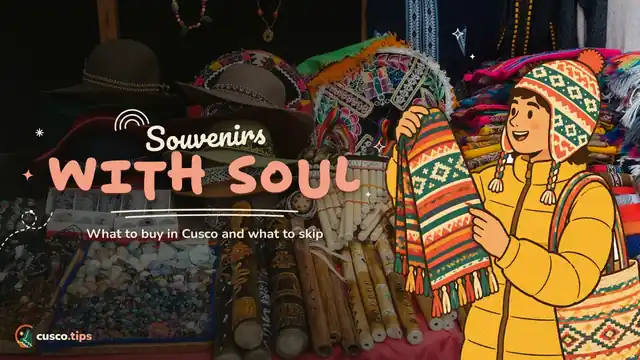
What to buy in Cusco: authentic souvenirs and what to avoid
The best souvenirs from Cusco: textiles and alpaca, ceramics, retablos, silver, coffee, chocolate, Andean grains and pisco; where to buy, how to bargain and what not to take home.
Read guide →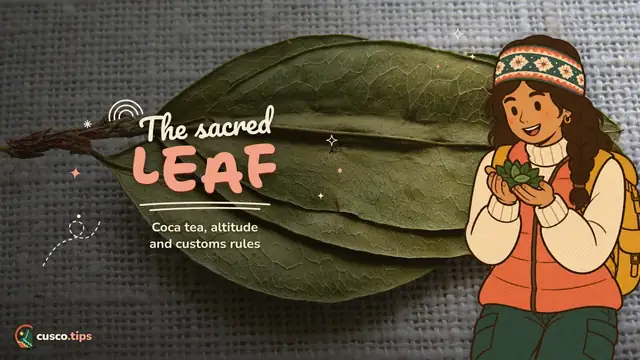
Coca leaf in Cusco: tea, chewing, altitude sickness and whether you can take it home
All about coca leaf in Cusco: its cultural role, how it's used (tea, chewing, sweets), what's known about altitude sickness, drug tests and why you shouldn't take it home.
Read guide →
Buying alpaca in Cusco: how to spot the real thing, prices and where to look
Differences between baby alpaca, alpaca, llama, vicuña and synthetic blends; how to recognise genuine garments by feel and label, price ranges and where to buy.
Read guide →
Ethical shopping in Cusco: fair trade, cooperatives and weavers
How to buy crafts in Cusco that benefit the people who make them: weaving cooperatives, the Centro de Textiles Tradicionales, buying direct and what to avoid.
Read guide →