
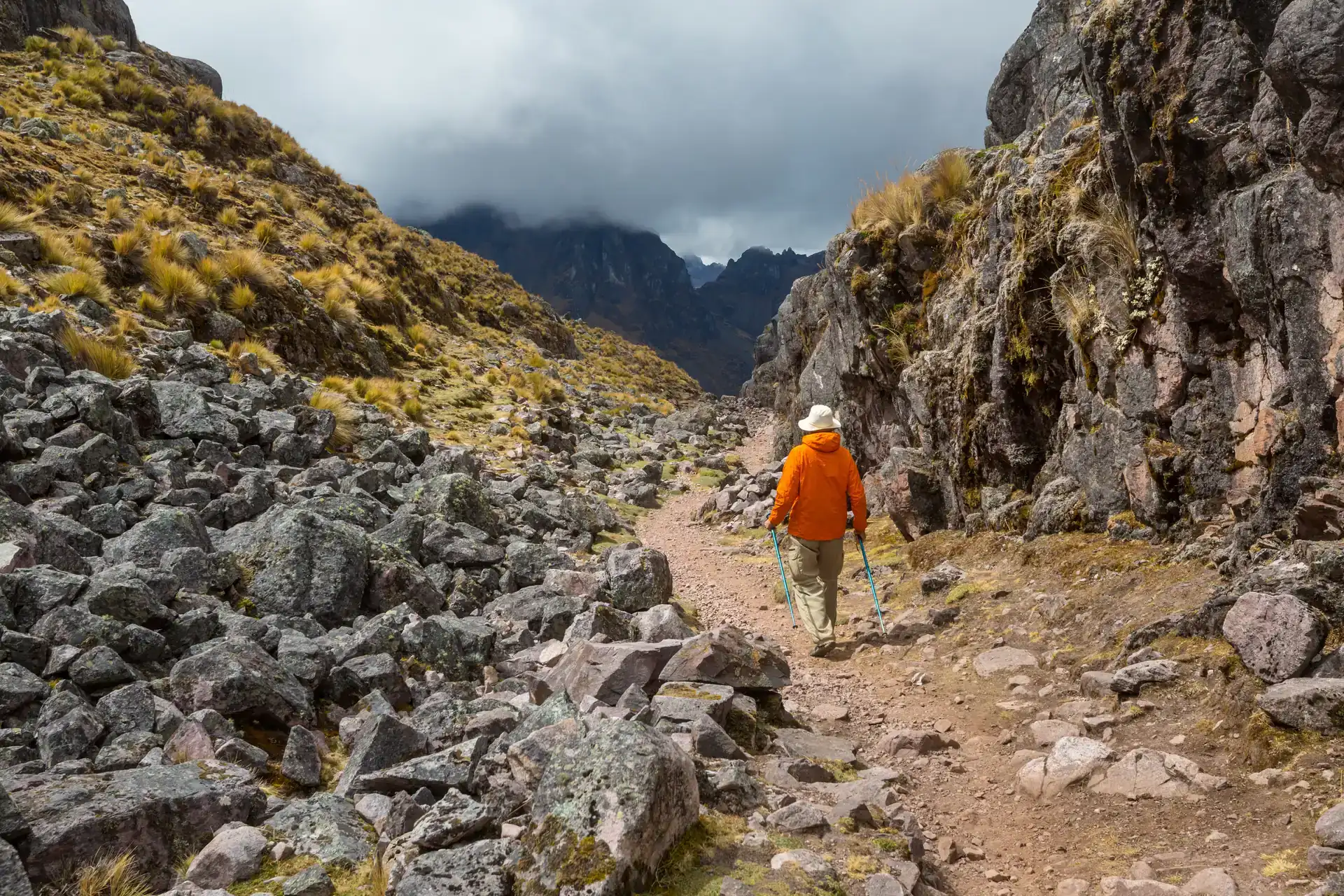
Trail running in Cusco: running at 3,400 m, nearby routes and how to acclimatise
Updated:
Cusco, at around 3,400 m, is a fascinating place for trail running: Inca paths, hills with ruins and views of snowy peaks. Many runners use their trip to train at altitude, and some come specifically to prepare for mountain races. But running at this altitude without preparation can be a bad idea. This guide explains how to do it sensibly.
Start here: Cusco tips · things to do in Cusco
What altitude does to your running
At 3,400 m there's considerably less oxygen available than at sea level. Your heart rate shoots up with less effort, you tire sooner and recover more slowly. A pace that's comfortable at home can feel exhausting here. That's normal: don't compare yourself with your usual times.
Popular activities on GetYourGuide
Acclimatisation
- For the first two or three days, no running: walk, hydrate and sleep well.
- Start with short, gentle jogs on flat ground.
- Increase duration before intensity.
- If you have a severe headache, nausea or dizziness, stop and rest.
Starting in the Sacred Valley, lower than Cusco, makes adapting much easier.
Around Sacsayhuamán
The hills above the city, around Sacsayhuamán, Cristo Blanco and the paths towards Qenqo, Puca Pucara and Tambomachay, offer dirt tracks and trails with short climbs. Bear in mind that access to the archaeological sites requires a ticket and running isn't allowed inside them.
- Sacsayhuamán: how to visit, tickets, history and tips
- Cristo Blanco in Cusco: how to walk up, best time for views and safety
- Cusco Tourist Ticket (Boleto Turístico): what's included and is it worth it
The Sacred Valley
The valley has rural tracks and trails between villages and terraces, at lower altitude and with a milder climate. They're ideal for your first runs. The climbs to the Pisac or Ollantaytambo archaeological sites require a ticket and aren't for running.
- Sacred Valley of the Incas: what to see and how to visit
- Pisac: Inca ruins, craft market and how to visit from Cusco
Long routes
For acclimatised, experienced runners, trekking routes such as Huchuy Qosqo offer big climbs and spectacular scenery. Plan them as a mountain outing: with water, warm layers and someone who knows where you are.
A one-week plan
A reasonable progression for fit runners might be: days 1 and 2, walking only; day 3, a gentle 20 to 30-minute jog on the flat; day 4, rest or a walk; day 5, a 40-minute run with a few short climbs; day 6, an easy run; day 7, a slightly longer outing if you feel good. Listen to your body: if your morning resting heart rate is very high or you're sleeping badly, cut back.
Training at altitude
Many athletes value altitude training, but its benefits depend on spending enough time acclimatised and on good planning. For a short trip, think of Cusco as an experience rather than a training camp: enjoy the scenery and don't push it.
Safety
- Run in daylight and, if possible, with company.
- Tell someone your route and return time.
- Carry a charged phone and some cash.
- Avoid isolated areas at dusk.
- Take care on roads: drivers don't expect runners.
Dogs
Cusco and its villages have many loose dogs, and some chase runners. Slow down or walk as you pass, don't stare at them and, if they come close, stay calm. Crouching as if picking up a stone is usually enough to make them back off.
Weather
In the dry season mornings are cold and the midday sun very strong. In the rainy season trails get muddy and lightning storms are common in the afternoon: run in the morning and avoid exposed ridges.
- Cusco weather by month: temperatures, rain and what to expect
- Rainy season in Cusco and Machu Picchu: what to expect and how to make the most of it
Gear
- Trail shoes with good grip.
- A light windproof and a thermal layer.
- Cap, sunglasses and high-factor sunscreen.
- A hydration pack or belt.
- An energy snack.
Hydration and nutrition
Dry air and altitude dehydrate you quickly. Drink before, during and after running, even if you're not thirsty. Eat some carbohydrates before long runs and avoid alcohol while acclimatising.
Mountain races
Mountain races and trail events are held in the region at various times of year. If you want to take part, check each organiser's calendar and conditions in advance and arrive with enough time to acclimatise.
Running with respect
Many trails cross community land and fields. Say hello, stay on the paths, close gates and don't disturb livestock. At archaeological sites, follow the rules: no running on walls or terraces.
Frequently asked questions
- Can I run in Cusco as soon as I arrive?
- It's not advisable; wait two or three days before starting with gentle jogs.
- Where can I run near the city?
- On the hills around Sacsayhuamán and Cristo Blanco, and on rural tracks in the Sacred Valley.
- Are there loose dogs?
- Yes, many; slow down as you pass and stay calm.
- What should I wear?
- Layers: cold mornings and very strong midday sun.
Book this plan
- Urubamba river raftingCompareSee dates →
- ATV ride to Maras and MorayCompareSee dates →
- Sacred Valley ziplineCompareSee dates →
Notice: This guide shares advice and recommendations based on research and local experience. Prices, opening hours and rules may change: always check with official sources and operators. Cusco Tips is not responsible for third-party services, bookings or decisions made using these guides; some links are affiliate links (see our affiliate policy).
Related guides

Altitude sickness in Cusco: how to prevent it and what to do
Cusco sits at about 3,400 m. Altitude sickness symptoms, warning signs, how to acclimatize, coca tea, medication and when to do the highest day trips.
Read guide →
Sacsayhuamán: how to visit, tickets, history and tips
Guide to Sacsayhuamán, the great Inca complex above Cusco: walking up or by taxi, which ticket you need, hours, what to see (walls, Rodadero, tunnels) and its history.
Read guide →
Huchuy Qosqo trek: the one-day hike from Cusco to the Sacred Valley
Huchuy Qosqo trek guide: what this Inca site is, the 1–2 day route from Cusco to Lamay, elevation, difficulty, entrance, going with an agency or independently, and what to pack.
Read guide →
Adventure sports safety in Cusco: choosing an operator and avoiding risks
How to do rafting, ziplining, paragliding, canyoning or ATV tours in Cusco safely: choosing an operator, checking gear, altitude, weather, insurance and red flags.
Read guide →