
Cristo Blanco in Cusco: how to walk up, best time for views and safety
Updated:
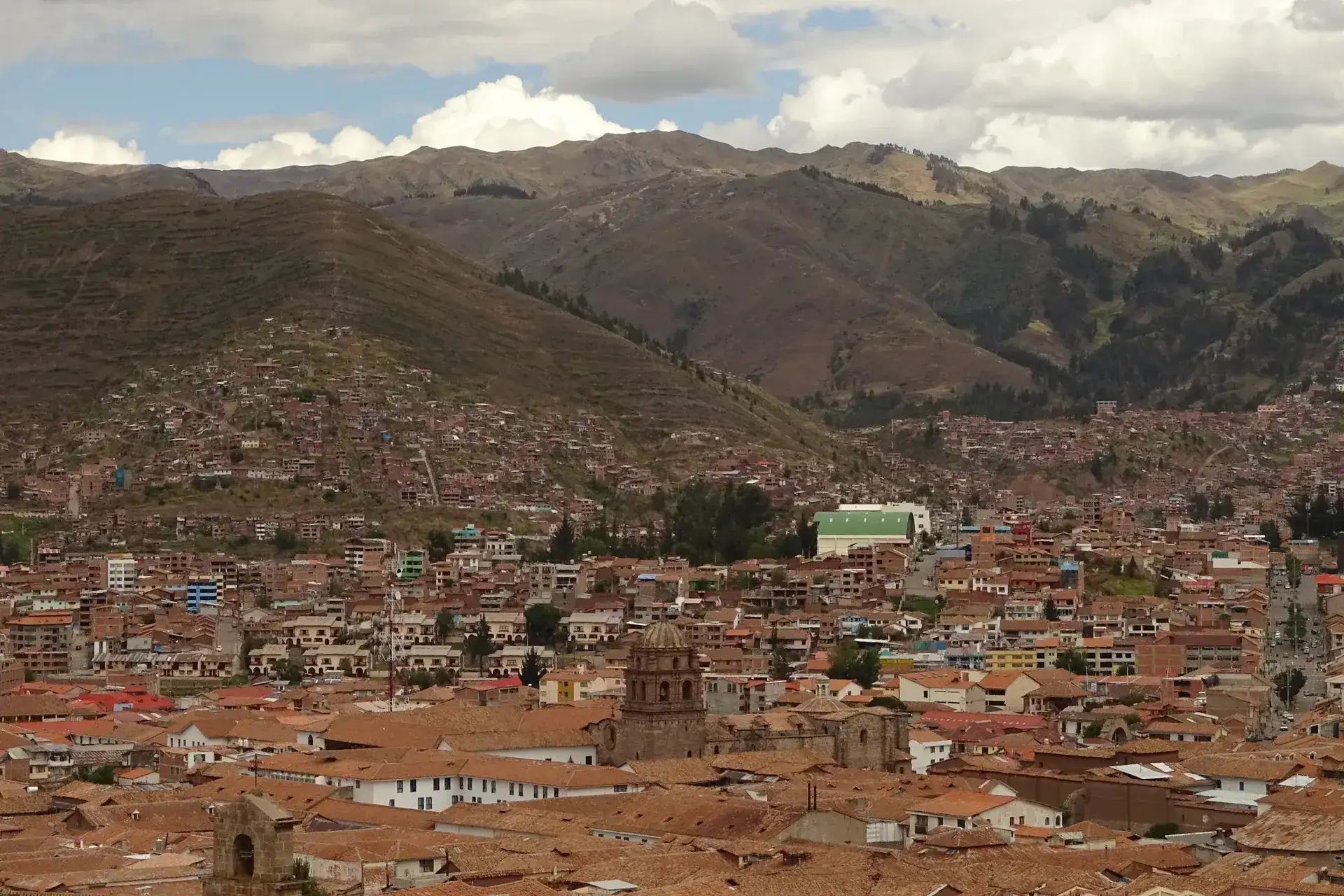
From almost anywhere in central Cusco, if you look north up the hill you'll see a white figure with open arms: Cristo Blanco, one of the city's most popular viewpoints. Walking up is free, takes under an hour from the Plaza de Armas and rewards you with one of the best panoramas of Cusco — red tile roofs, church towers and the mountains ringing the valley.
Start here: Cusco tips · things to do in Cusco
History of the statue
Cristo Blanco was inaugurated in 1945. It was a gift from the community of Palestinian Christians who had settled in Cusco, as a thank-you to the city that welcomed them. The statue is about 8 metres tall and stands beside the Sacsayhuamán archaeological complex at roughly 3,550–3,600 m, a little more than 150 metres above the Plaza de Armas. With its arms open over the city it's a small echo of Rio de Janeiro's Christ the Redeemer, and it's lit at night, so you can see it from much of the centre.
Popular activities on GetYourGuide
How to get there
Walking from San Blas
The most popular option. From the Plaza de Armas walk up the San Blas slope to the neighbourhood square and keep climbing the streets and stairways heading north, following signs to Sacsayhuamán or Cristo Blanco. It takes roughly 20–40 minutes depending on your pace and acclimatisation. The stairs are steep: go slowly and stop whenever you need to.
Walking from Calle Suecia
Another route leaves the upper side of the Plaza de Armas via Calle Suecia and climbs to the San Cristóbal area and the Sacsayhuamán entrance. From there a small road leads to the statue.
By taxi
If you've just arrived or don't fancy the stairs, a taxi from the centre takes about 10–15 minutes by road. It's a good way to ride up and walk down, or to come back after sunset.
- San Blas, Cusco's artisan quarter: what to see, viewpoints and tips
- Getting around Cusco: taxis, ride apps, city buses and colectivos
Free, no ticket
The Cristo Blanco viewpoint is free. You only need the Tourist Ticket to enter the Sacsayhuamán archaeological site next door.
- Sacsayhuamán: how to visit, tickets, history and tips
- Cusco Tourist Ticket (Boleto Turístico): what's included and is it worth it
Best time for views
- Early morning: crisp light, fewer people and sharper mountains in the dry season.
- Sunset: the most popular time, as the city turns golden and the lights come on.
- Night: the lit statue and the city below are very photogenic, but don't stay alone (see safety).
In the rainy season, roughly December to March, afternoons are often cloudy or showery; mornings are more reliable.
- Best time to visit Cusco and what to pack
- Cusco weather by month: temperatures, rain and what to expect
Safety
The daytime walk is busy and relaxed. Still, keep these precautions in mind:
- Avoid walking up or down the stairways and alleys alone after dark. If you stay for sunset, walk down in a group or take a taxi.
- Keep phones and cameras out of sight in poorly lit areas.
- Bring a warm layer: the temperature drops fast after sunset.
After dark
After sunset, the safest option is a taxi from the statue area or walking down in company along the main San Blas streets.
Altitude and effort
The climb is short but you'll feel the altitude, especially if you've come from the coast or sea level. It's not ideal for your first afternoon — better on day two or three. Bring water, go slowly and don't push. If you get a strong headache, dizziness or shortness of breath, stop and rest.
What to combine it with
- Sacsayhuamán: the great Inca complex is right next to the statue. With the Tourist Ticket, do both.
- Qenqo, Puka Pukara and Tambomachay: take a taxi up to Tambomachay and walk down to the statue.
- San Blas: on the way down, browse its artisan workshops, cafés and viewpoints.
- The "Temple of the Moon" and Huaca area: horse rides start nearby.
- Qenqo, Puka Pukara and Tambomachay: the Inca sites above Cusco and how to visit them
- Sacsayhuamán: how to visit, tickets, history and tips
- San Blas, Cusco's artisan quarter: what to see, viewpoints and tips
Quick tips
- Carry small change in case you want a drink or a souvenir from the stalls.
- Be patient with photos: it gets crowded at sunset.
- People posing with llamas or alpacas for photos usually ask for a tip; agree on the amount first.
- Be respectful: it's also a leisure spot for local families.
Frequently asked questions
- How much does it cost to visit Cristo Blanco?
- It's free. You only pay for a taxi or to enter Sacsayhuamán, which requires the Tourist Ticket.
- How long does the walk up take?
- Between 20 and 40 minutes from the Plaza de Armas, depending on your pace and acclimatisation.
- Is Cristo Blanco safe at night?
- It's very calm by day. At night, avoid going alone and come back by taxi or in a group along lit streets.
- How tall is Cristo Blanco?
- The statue is about 8 metres tall and stands at roughly 3,550–3,600 m above sea level.
Book this plan
- Cusco walking tourCompareSee dates →
- Cusco city tourCompareSee dates →
Notice: This guide shares advice and recommendations based on research and local experience. Prices, opening hours and rules may change: always check with official sources and operators. Cusco Tips is not responsible for third-party services, bookings or decisions made using these guides; some links are affiliate links (see our affiliate policy).
Related guides
Things to do in Cusco: 30 essentials in the city and beyond
Things to do in Cusco: the city's essentials, Machu Picchu, the Sacred Valley, day trips, treks, food, markets and festivals, with 1- to 3-day plans.
Read guide →
Sacsayhuamán: how to visit, tickets, history and tips
Guide to Sacsayhuamán, the great Inca complex above Cusco: walking up or by taxi, which ticket you need, hours, what to see (walls, Rodadero, tunnels) and its history.
Read guide →
San Blas, Cusco's artisan quarter: what to see, viewpoints and tips
Guide to Cusco's San Blas neighbourhood: the church and its carved pulpit, the little plaza, artisan workshops, Hatun Rumiyoc street, viewpoints, nightlife and whether to stay there.
Read guide →
Qenqo, Puka Pukara and Tambomachay: the Inca sites above Cusco and how to visit them
How to visit Qenqo, Puka Pukara and Tambomachay: what to see at each site, the Tourist Ticket, the walking route back to Cusco, city tours, approximate hours and tips.
Read guide →
Is Cusco safe? Real risks and practical tips for a worry-free trip
How safe Cusco is for tourists: theft, taxis, nightlife, protests, altitude and adventure tours. Areas, times of day and what to do in an emergency.
Read guide →