
Four days is the trip length most people search for when planning Cusco, and for good reason: it is the reasonable minimum to acclimatise, see the city, explore the Sacred Valley and visit Machu Picchu without spending the whole trip rushing. This 4-day, 3-night itinerary is designed for a first visit and follows a simple logic: start gently, adjust to the altitude step by step and save Machu Picchu for when your body has adapted.
Start here: Cusco tips · things to do in Cusco
The idea behind the itinerary
Cusco sits at about 3,400 metres, while the Sacred Valley and Machu Picchu are lower. That is why the order matters: day one is for acclimatising, day two for the city, on day three you drop into the valley and sleep in Ollantaytambo, and on day four you take the train to Machu Picchu and come back. You sleep lower right before the longest day and avoid a pre-dawn start from Cusco.
- Nights 1 and 2: Cusco.
- Night 3: Ollantaytambo (or Aguas Calientes, depending on the variant).
- Day 4: Machu Picchu and back to Cusco in the evening, or onward travel.
- How many days in Cusco + 3, 5 and 7-day itineraries
- Altitude sickness in Cusco: how to prevent it and what to do
Popular activities on GetYourGuide
Day 1: arrive and acclimatise in the centre
The most common mistake is landing and launching straight into excursions. Take day one slowly:
- Arrive, drop your bags and rest for an hour or two.
- Light lunch and an easy stroll around the Plaza de Armas and nearby streets.
- In the afternoon, the gentle climb to San Blas, with artisan workshops and views over the rooftops.
- Early dinner, plenty of water and an early night.
Altitude
Walk slowly, drink water and avoid alcohol and heavy meals on day one. If you have severe symptoms, seek medical help.
- Plaza de Armas in Cusco: history, what to see around it and practical tips
- San Blas, Cusco's artisan quarter: what to see, viewpoints and tips
- Altitude sickness in Cusco: how to prevent it and what to do
Day 2: Inca and colonial Cusco
With a day of adjustment behind you, you can walk more:
- In the morning, Qorikancha, the Inca temple on which the Santo Domingo convent was built, and the Cathedral.
- Lunch at San Pedro market or in the centre.
- In the afternoon, the circuit of nearby archaeological sites: Sacsayhuamán, Q'enqo, Puka Pukara and Tambomachay, all covered by the Tourist Ticket.
Many travellers do this circuit on an afternoon tour from the centre; you can also take a taxi up and walk back downhill from Sacsayhuamán.
- Qorikancha, the Temple of the Sun: tickets, hours, what to see and history
- Sacsayhuamán: how to visit, tickets, history and tips
- Qenqo, Puka Pukara and Tambomachay: the Inca sites above Cusco and how to visit them
- Cusco Tourist Ticket (Boleto Turístico): what's included and is it worth it
Day 3: Sacred Valley and a night in Ollantaytambo
Leave your big luggage at your Cusco hotel (many will store it) and travel light. A typical Sacred Valley day:
- Pisac: the craft market and the archaeological park above the town.
- Lunch in the valley, around Urubamba.
- Ollantaytambo: the Inca fortress and the village with its Inca street grid.
- Night in Ollantaytambo, minutes from the train station.
If you prefer, swap Pisac for Chinchero, Moray and the Maras salt pans, another very popular combination. Sacred Valley day tours usually end in Cusco: if you are sleeping in Ollantaytambo, tell the agency so they drop you there.
- Pisac: Inca ruins, craft market and how to visit from Cusco
- Ollantaytambo: ruins, a living Inca town, the Machu Picchu train and tips
- Moray and the Maras salt mines: how to visit from Cusco or the Sacred Valley
- Where to stay in Ollantaytambo: areas, pros and when it makes sense
Day 4: Machu Picchu
The big day:
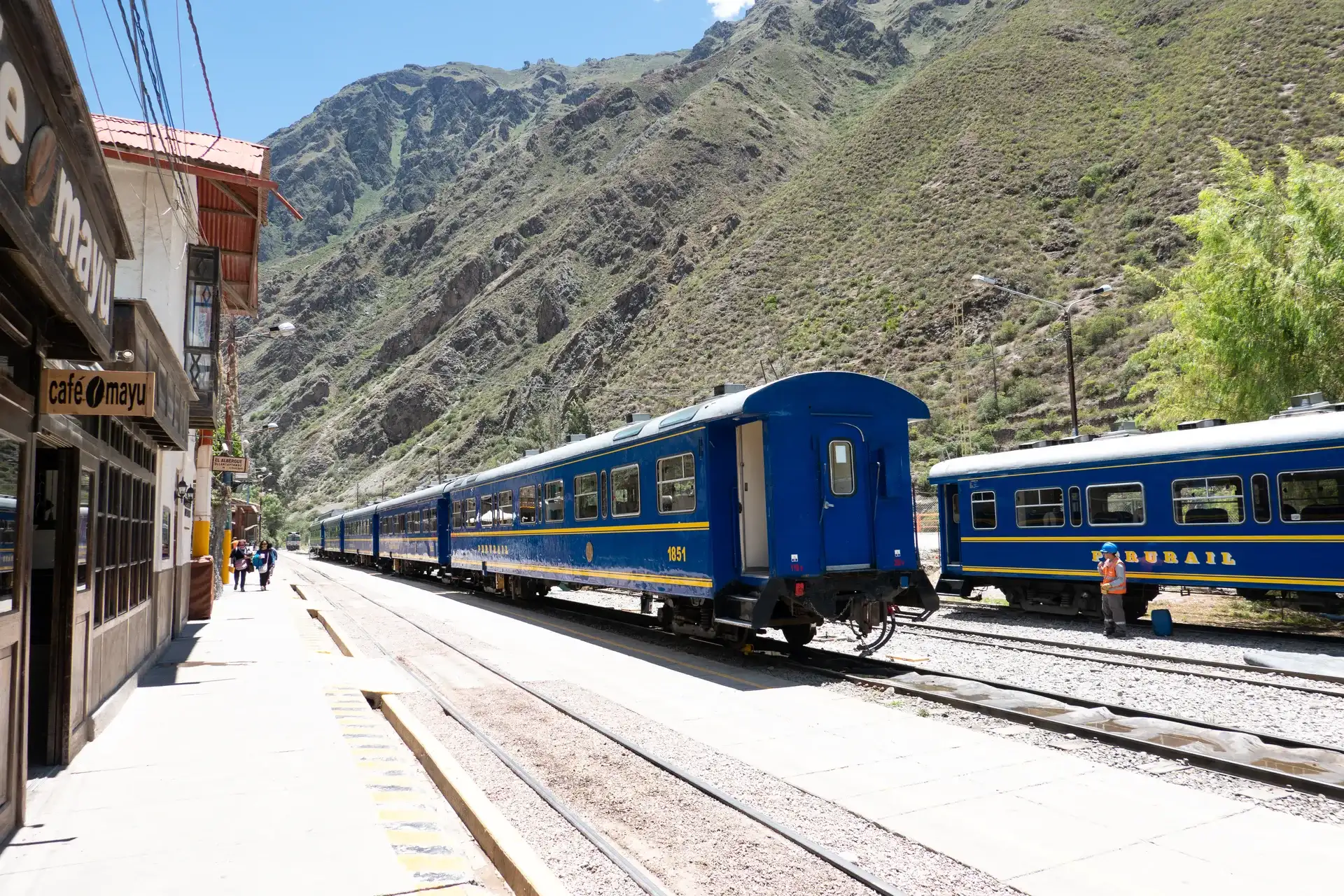
- Early train from Ollantaytambo to Aguas Calientes.
- Bus up the Hiram Bingham road to the entrance, about 25 to 30 minutes.
- Visit the citadel with your booked ticket and circuit.
- Back down to Aguas Calientes, lunch and the return train to Ollantaytambo or Poroy, then transfer to Cusco.
Leave a buffer between leaving the citadel and your train time: bus queues can be long. If you still have energy and booked well ahead, you can add a mountain such as Huayna Picchu.
- Trains to Machu Picchu: stations, companies and which class to choose
- Machu Picchu bus from Aguas Calientes: how it works, tickets and queues
- Machu Picchu circuits explained: which to choose (1, 2 or 3) and what you see
- Huayna Picchu vs Machu Picchu Mountain: which to climb and what each hike is like
What to book before you travel
On a short trip, one piece falling through throws everything off. Book in this order:
- Your Machu Picchu ticket, with date and circuit: it is the most limited item, especially from May to September.
- The return train, matched to your entry time.
- Your hotel in Ollantaytambo for night three.
- The Tourist Ticket, which you can buy once you are in Cusco.
Mobile data
For maps, train times and messages with your agency, it helps to have data from the moment you land.
eSIM for Peru
Land connected: install an Airalo data eSIM before you travel and switch it on when you land. Check first that your phone supports eSIM and is unlocked.
Get online in Peru →- Machu Picchu tickets: how to buy them on the official site and not miss out
- PeruRail vs Inca Rail: how to choose your Machu Picchu train (no invented schedules)
Itinerary variations
- Night in Aguas Calientes: on day three, do the Sacred Valley, take an afternoon train and sleep in Aguas Calientes to enter Machu Picchu first thing on day four.
- Add Rainbow Mountain: with extra days, add a day trip to Vinicunca or Humantay Lake, but never on day one or two because of the altitude.
- Travelling with kids or older relatives: swap the day-two afternoon circuit for a shorter visit and build in more rest.
- If you only have three days, or can stay five, see our itineraries for those lengths.
- Aguas Calientes (Machu Picchu Town): getting there, things to do and where to stay
- Rainbow Mountain (Vinicunca): a practical guide to visiting
- Humantay Lake: how to get there, the hike and tips
- Cusco in 3 days: a realistic itinerary with acclimatization, city and Sacred Valley
- Cusco in 5 days: itinerary with Machu Picchu (updated 2026)
What to pack for 4 days
- Layers: cold mornings and evenings, strong midday sun.
- A waterproof jacket, especially from November to March.
- Comfortable, broken-in shoes and a small daypack for days three and four.
- Sunscreen, hat, sunglasses and a reusable water bottle.
- Your original passport: it is required for Machu Picchu and the train.
Frequently asked questions
- Are 4 days enough for Cusco and Machu Picchu?
- Yes, for a first visit it is a very complete length: one day to acclimatise, one for the city, one for the Sacred Valley and one for Machu Picchu.
- Where should I sleep on night three?
- In Ollantaytambo, near the train station, or in Aguas Calientes if you want to enter Machu Picchu very early.
- Can I go to Machu Picchu on day one?
- It is possible because it is lower than Cusco, but leaving it for last means you arrive rested and with a buffer for delays.
- What should I book first?
- Your Machu Picchu ticket, then the train and hotel to match that time.
Book this plan
- Cusco city tourCompareSee dates →
- Cusco by nightCompareSee dates →
- Machu Picchu day trip from CuscoCompareSee dates →
Notice: This guide shares advice and recommendations based on research and local experience. Prices, opening hours and rules may change: always check with official sources and operators. Cusco Tips is not responsible for third-party services, bookings or decisions made using these guides; some links are affiliate links (see our affiliate policy).
Related guides
Cusco in 3 days: a realistic itinerary with acclimatization, city and Sacred Valley
A 3-day Cusco itinerary: acclimatize on day 1, city and nearby ruins on day 2, Sacred Valley or a short day trip on day 3. Altitude tips, tourist ticket and useful links.
Read guide →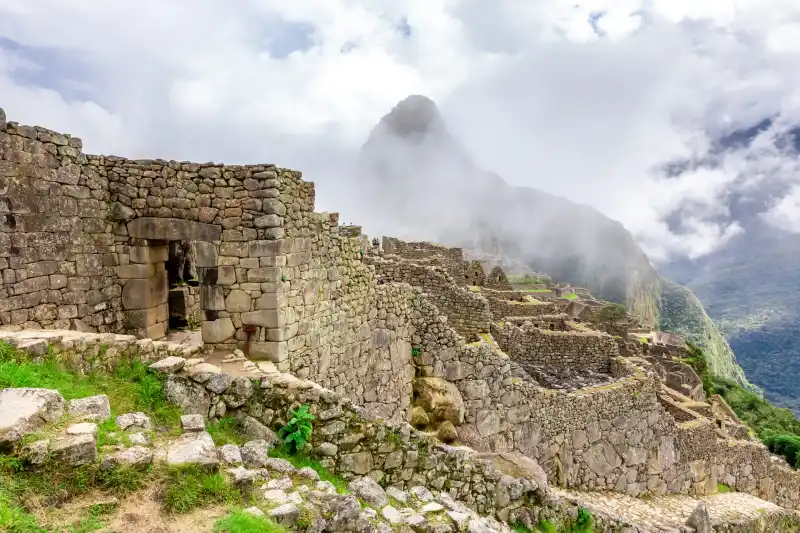
Cusco in 5 days: itinerary with Machu Picchu (updated 2026)
A 5-day Cusco itinerary: sleep in the Sacred Valley first, visit Machu Picchu, then explore Cusco. Daily plan, booking order and 7-day extension.
Read guide →
How many days in Cusco + 3, 5 and 7-day itineraries
How many days do you need in Cusco? Short answer, key factors (altitude, Machu Picchu, treks) and day-by-day 3, 5 and 7-day itineraries.
Read guide →
Machu Picchu day trip from Cusco: timings, logistics and whether it's worth it
How to visit Machu Picchu in a single day from Cusco or Ollantaytambo: typical schedule, trains, buses, tickets, tour or DIY, and when it's better to sleep in Aguas Calientes.
Read guide →
Sacred Valley and Machu Picchu in 2 days: the connecting tour explained
How the 2-day tour works: the Sacred Valley ending in Ollantaytambo, the train to Aguas Calientes and Machu Picchu the next morning. Itinerary, luggage, pros and tips.
Read guide →