
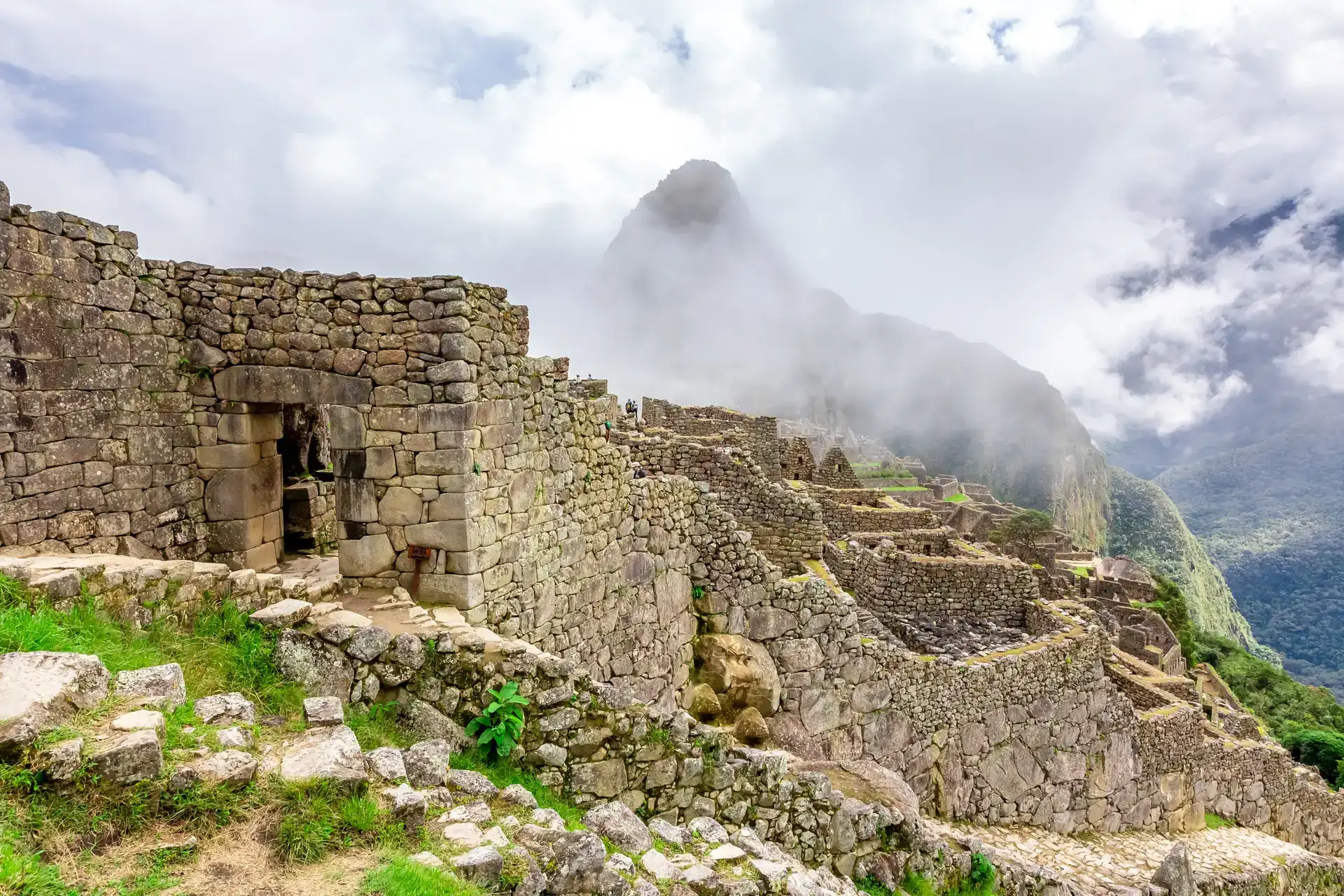
Five days give you a workable route through the Sacred Valley, Machu Picchu and Cusco without turning arrival day into a sightseeing sprint. This Cusco Tips itinerary, updated for 2026, starts with lower overnight bases around Pisac or Urubamba and saves the city for the end. These are five travel-and-sightseeing days, including arrival, not five full days on top of it. Your Machu Picchu ticket sets the calendar: arrange the rest around the date you can book.
Plan Machu Picchu with our PDF guides
Machu Picchu tours
Start here: Cusco tips · things to do in Cusco
The five-day plan at a glance
| Day | Base / overnight stop | Main visits | Approx. altitude |
|---|---|---|---|
| 1 | Pisac or Urubamba | Arrival and rest in the Sacred Valley | Pisac / Urubamba |
| 2 | Pisac or Urubamba | Pisac, Moray and Maras salt pans | Pisac / Moray / Maras |
| 3 | Aguas Calientes | Ollantaytambo; afternoon train | Ollantaytambo ~2,800 m; Aguas Calientes ~2,000 m |
| 4 | Cusco | Machu Picchu; return via Ollantaytambo | Machu Picchu ~2,430 m; Cusco ~3,400 m |
| 5 | Cusco, if continuing your trip | Sacsayhuamán, Qorikancha, San Pedro, San Blas | Cusco ~3,400 m |
Popular activities on GetYourGuide
Day 1: arrive and head down to the Sacred Valley
Arrange your airport transfer to Pisac or Urubamba before arrival. Both areas let you spend your first night lower than Cusco. Choose your base with the next day in mind: Pisac puts its ruins and market nearby, while Urubamba is practical for continuing towards Moray, Maras and Ollantaytambo.
Keep the day deliberately light. Settle in, eat a modest meal and take a gentle stroll only if you feel well. Sleeping lower does not guarantee freedom from altitude sickness, so resist adding a demanding excursion. Confirm reception arrangements and the exact drop-off point with your accommodation.
- Sacred Valley of the Incas: what to see and how to visit
- Where to stay in the Sacred Valley: Pisac, Urubamba, Ollantaytambo and more
- Altitude sickness in Cusco: how to prevent it and what to do
Day 2: Pisac, Moray and the Maras salt pans
Start with the Pisac archaeological site and the market in town. The ruins sit above the town: a lower sleeping base does not mean every visit is flat. Arrange access and pickup rather than relying on a long walk down while you are still adjusting.
Continue to Moray’s circular terraces and the Maras salt pans. This is a busy day with several road journeys; use a driver or a tour that explicitly confirms all three stops and a return to your valley accommodation. If arrival left you tired, shorten the market visit or drop a stop rather than rushing. Check which sites your Tourist Ticket covers and which need separate admission.
- Pisac: Inca ruins, craft market and how to visit from Cusco
- Moray and the Maras salt mines: how to visit from Cusco or the Sacred Valley
- Cusco Tourist Ticket (Boleto Turístico): what's included and is it worth it
Day 3: Ollantaytambo and the afternoon train
Visit Ollantaytambo’s fortress and village before your afternoon train. Take the steps at your own pace and leave room for lunch, collecting luggage and reaching the station. The town is at approximately 2,800 m; that figure is not the highest point of every walk around it.
Take your booked train to Aguas Calientes, approximately 2,000 m, and stay overnight. Check the station, date, departure and baggage conditions directly with PeruRail or Inca Rail. Carry what you need for one night and agree where to leave larger bags. On arrival, get your passport and ticket ready and arrange the next morning’s ascent around your entry time.
- Ollantaytambo: ruins, a living Inca town, the Machu Picchu train and tips
- Trains to Machu Picchu: stations, companies and which class to choose
- Aguas Calientes (Machu Picchu Town): getting there, things to do and where to stay
Day 4: early Machu Picchu entry, then back to Cusco
Visit Machu Picchu at your booked early entry time. The site is approximately 2,430 m. Staying in Aguas Calientes makes the ascent easier to organise, but queues and delays still need allowance. Follow the route printed on your ticket; do not plan on changing circuits inside. Circuit 2 is the starting recommendation for a first visit.
Afterwards, return to Aguas Calientes, collect your bag and take the train back to Ollantaytambo. Arrange the onward road transfer to Cusco, approximately 3,400 m. Avoid another excursion or a tight flight connection that evening. Official late-arrival tolerance is 45 minutes in high season and 30 in low season; beyond it, entry is refused. Aim for your booked time, not the tolerance window.
- Machu Picchu tickets: how to buy them on the official site and not miss out
- Machu Picchu circuits explained: which to choose (1, 2 or 3) and what you see
Day 5: Cusco’s ruins, market and neighbourhoods
Begin with Sacsayhuamán if you feel well, then visit Qorikancha. Check admission and access for each: one ticket does not automatically cover everything. If steps feel tiring, shorten the visit and use transport for the uphill journey.
Keep the rest of the day for San Pedro market and San Blas: Andean produce, old streets and workshops rather than a rigid checklist. Continue pacing yourself after returning to Cusco from lower overnight bases. If you fly out today, reduce the sightseeing and allow space for the airport journey; completing every stop should not determine whether you catch your flight.
- Cusco in 3 days: a realistic itinerary with acclimatization, city and Sacred Valley
- How many days in Cusco + 3, 5 and 7-day itineraries
Extend to 7 days
- Day 6: Humantay Lake. Add the trip only if you are adjusting well and still have energy after the main itinerary. Check current access and the transport included before booking.
- Day 7: Rainbow Mountain or Palccoyo. Vinicunca is the more demanding outing; Palccoyo has a gentler walk but remains a high-altitude trip. If Humantay leaves you tired, replace the second excursion with a rest day in Cusco. There is no need to do both back to back.
- Humantay Lake: how to get there, the hike and tips
- Rainbow Mountain (Vinicunca): a practical guide to visiting
- Palccoyo: the alternative rainbow mountain, easier and quieter than Vinicunca
- Day trips from Cusco: the 8 best options (updated 2026)
Alternative: Cusco first
If arrival arrangements or accommodation make Cusco the simpler first stop, use this order: day 1 rest and a gentle city-centre walk; day 2 Sacsayhuamán, Qorikancha, San Pedro and San Blas; day 3 Pisac, Moray and Maras, sleeping in the valley; day 4 Ollantaytambo and the train to Aguas Calientes; day 5 Machu Picchu and the return journey. This version starts with a higher sleeping base and leaves less room after Machu Picchu. Trim the valley visits if the train or your energy requires it, and do not plan a flight immediately after the return.
Rainy-season adjustments
Leave breathing room between visits and connections, bring rain protection and check roads and rail services with the operators. Early entry does not guarantee clear views. Verify whether your train ticket includes a bimodal service and where it starts; departures are not necessarily identical throughout the year. The classic Inca Trail closes every February. That closure should not be mistaken for a general closure of Machu Picchu.
Book in this order
- First, buy the Machu Picchu entry ticket through tuboleto.cultura.pe, the official ticket platform. You need a passport and email address and choose the circuit, route, date and entry time. For a first visit, look at Circuit 2 before fixing the itinerary.
- Next, book the outward and return trains. Allow for the ascent, your visit, the descent and bag collection. Confirm stations directly with PeruRail or Inca Rail rather than choosing only by carriage class.
- Finally, book accommodation: first nights around Pisac or Urubamba, the night before Machu Picchu in Aguas Calientes, then Cusco. Confirm road transfers and cancellation conditions too.
- Machu Picchu tickets: how to buy them on the official site and not miss out
- Trains to Machu Picchu: stations, companies and which class to choose
- Where to stay in the Sacred Valley: Pisac, Urubamba, Ollantaytambo and more
Circuits and routes: what your ticket means
Since June 2024 there have been three circuits with ten routes. These are not interchangeable: check the exact route code and availability for your date before paying.
- Circuit 1 Panoramic: 1-A Machu Picchu Mountain, 1-B Upper Terrace; 1-C Inti Punku and 1-D Inca Bridge operate only in high season.
- Circuit 2 Classic: 2-A designed route and 2-B Lower Terrace. Start here when choosing for a first visit.
- Circuit 3 Royalty: 3-A Huayna Picchu and 3-B designed route; 3-C Great Cavern and 3-D Huchuy Picchu operate only in high season.
Official sources
Before you go
eSIM for Peru
Land connected: install an Airalo data eSIM before you travel and switch it on when you land. Check first that your phone supports eSIM and is unlocked.
Get online in Peru →Book this plan
- Sacred Valley tourCompareSee dates →
- Machu Picchu day trip from CuscoCompareSee dates →
- Maras and MorayCompareSee dates →
Notice: This guide shares advice and recommendations based on research and local experience. Prices, opening hours and rules may change: always check with official sources and operators. Cusco Tips is not responsible for third-party services, bookings or decisions made using these guides; some links are affiliate links (see our affiliate policy).
Related guides
Cusco in 3 days: a realistic itinerary with acclimatization, city and Sacred Valley
A 3-day Cusco itinerary: acclimatize on day 1, city and nearby ruins on day 2, Sacred Valley or a short day trip on day 3. Altitude tips, tourist ticket and useful links.
Read guide →
How many days in Cusco + 3, 5 and 7-day itineraries
How many days do you need in Cusco? Short answer, key factors (altitude, Machu Picchu, treks) and day-by-day 3, 5 and 7-day itineraries.
Read guide →
Sacred Valley of the Incas: what to see and how to visit
Sacred Valley guide: Pisac, Chinchero, Moray, the Maras salt pans and Ollantaytambo, tickets, how to visit (tour, independently or with a driver) and a 2-day plan.
Read guide →
Moray and the Maras salt mines: how to visit from Cusco or the Sacred Valley
Guide to Moray and the Maras salt mines: what they are, tickets (Tourist Ticket and separate fee), getting there by tour, taxi or on foot, best time, combos and tips.
Read guide →
Pisac: Inca ruins, craft market and how to visit from Cusco
Pisac guide in the Sacred Valley: what to see in the archaeological park, the market, getting there from Cusco, entry with the Tourist Ticket, the walk down and tips.
Read guide →
Ollantaytambo: ruins, a living Inca town, the Machu Picchu train and tips
Guide to Ollantaytambo in the Sacred Valley: what to see at the archaeological site, the town and Pinkuylluna, getting there from Cusco, the train station and whether to stay.
Read guide →
Machu Picchu tickets: how to buy them on the official site and not miss out
Where to buy official Machu Picchu tickets, how far ahead, approximate prices, entry time slots, in-person tickets in Aguas Calientes and common mistakes.
Read guide →
Machu Picchu circuits explained: which to choose (1, 2 or 3) and what you see
Differences between Machu Picchu circuits 1, 2 and 3 and their routes: classic view, temples, Huayna Picchu, the Mountain and the Sun Gate. How to choose.
Read guide →
Trains to Machu Picchu: stations, companies and which class to choose
Guide to Machu Picchu trains: PeruRail and Inca Rail, departures from Poroy, San Pedro and Ollantaytambo, budget and luxury classes such as the Hiram Bingham, and tips.
Read guide →
Aguas Calientes (Machu Picchu Town): getting there, things to do and where to stay
Practical guide to Aguas Calientes: arriving by train or on foot, the bus to Machu Picchu, things to do, hot springs, Mandor, ATMs and tips for staying overnight.
Read guide →
Altitude sickness in Cusco: how to prevent it and what to do
Cusco sits at about 3,400 m. Altitude sickness symptoms, warning signs, how to acclimatize, coca tea, medication and when to do the highest day trips.
Read guide →
Cusco Tourist Ticket (Boleto Turístico): what's included and is it worth it
Guide to the Cusco Tourist Ticket (COSITUC): full and partial tickets, sites in each circuit, what it does NOT include, where to buy it and how to use it.
Read guide →
Humantay Lake: how to get there, the hike and tips
Practical guide to Humantay Lake (~4,200 m): tours from Cusco, going independently via Mollepata and Soraypampa, the hike, altitude, best season and packing.
Read guide →
Rainbow Mountain (Vinicunca): a practical guide to visiting
How to visit Rainbow Mountain from Cusco: tours, the hike, altitude (~5,000 m), horses, Red Valley, Palccoyo, best season and what to pack.
Read guide →
Palccoyo: the alternative rainbow mountain, easier and quieter than Vinicunca
Palccoyo guide: the hike, altitude, getting there from Cusco, the stone forest, entrance, comparison with Vinicunca and tips to enjoy it without the crowds.
Read guide →
Cusco weather by month: temperatures, rain and what to expect
What Cusco's weather is like each month: approximate day and night temperatures, rain, crowds and festivals, with tips for Machu Picchu and treks.
Read guide →
Where to stay in the Sacred Valley: Pisac, Urubamba, Ollantaytambo and more
Comparing towns to stay in the Sacred Valley: Pisac, Calca, Yucay, Urubamba, Ollantaytambo and Chinchero; pros, cons, Machu Picchu connections and who each suits.
Read guide →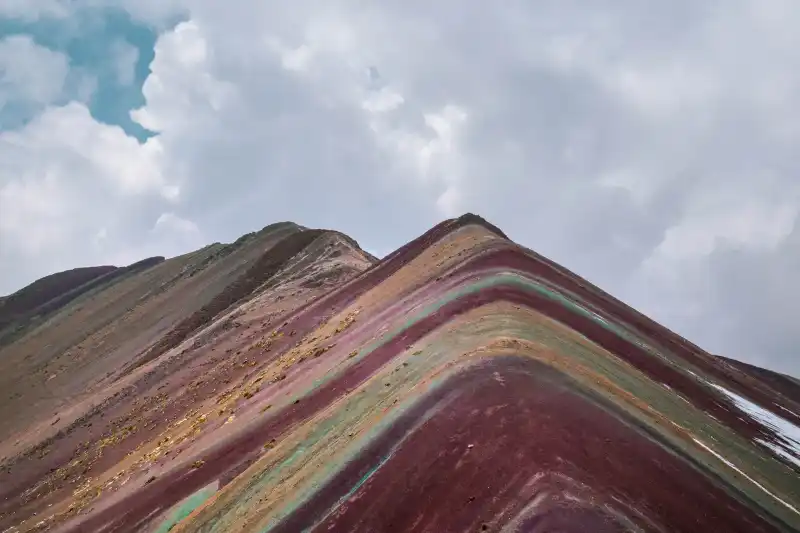
Day trips from Cusco: the 8 best options (updated 2026)
Day trips from Cusco: Rainbow Mountain, Humantay, Palccoyo, Sacred Valley, Maras and Moray, South Valley, Waqrapukara and Machu Picchu. Travel times, altitude, fees.
Read guide →