
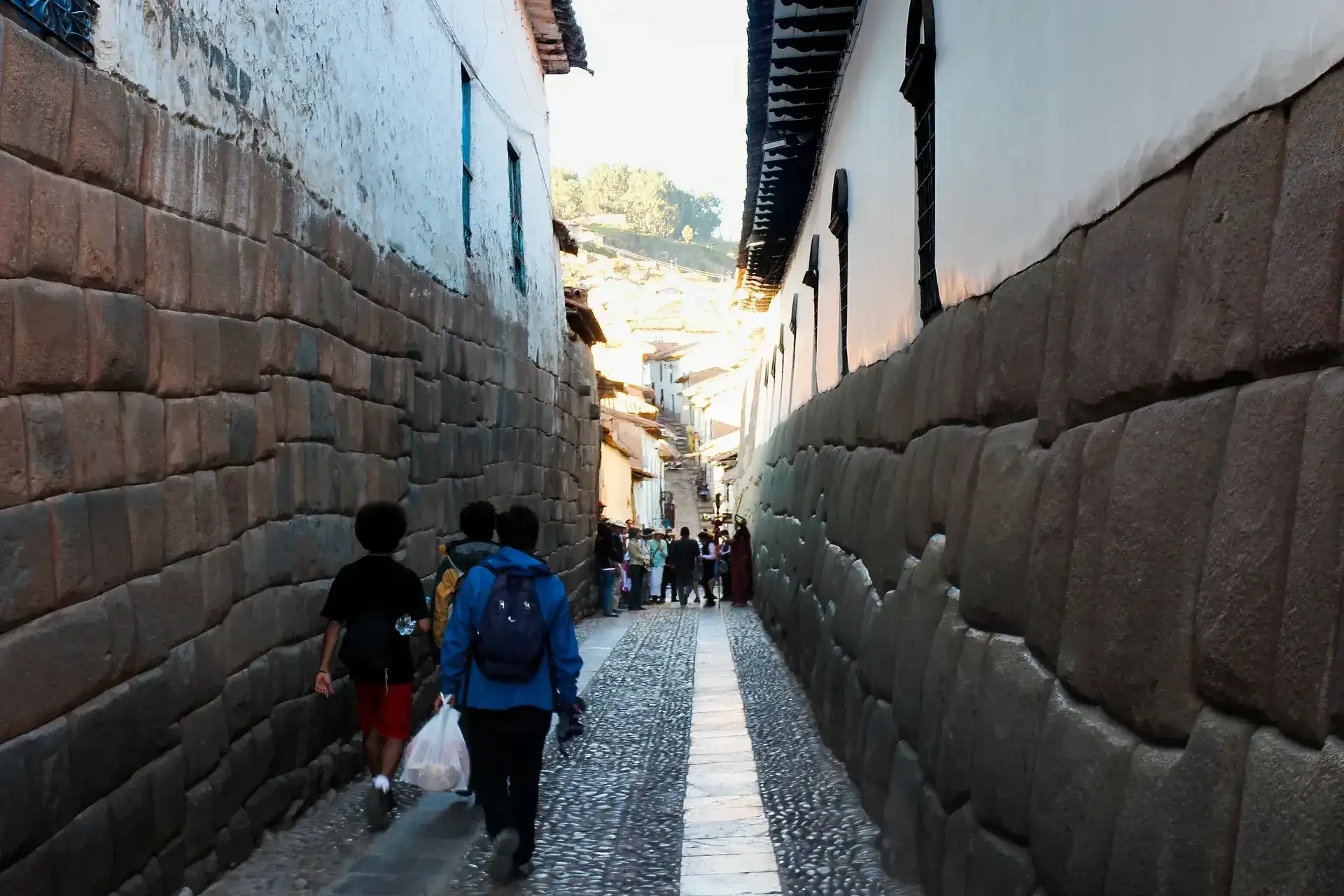
Peru is one of the world's biggest silver producers, and its goldsmithing tradition goes back thousands of years, from the Chavín and Moche to the Incas, who called silver "the tears of the moon". In Cusco you'll find silver jewellery everywhere: in smart shops in the centre, in San Blas workshops and on market stalls. This guide explains how to recognise genuine silver, which designs carry Andean meaning and how to buy with confidence.
Tours to explore Cusco's markets
Start here: Cusco tips · things to do in Cusco
The 925 stamp and others
Sterling silver contains 92.5% pure silver, with the rest other metals, usually copper, for hardness. In Peru it's marked with the 925 stamp. You may also see 950, a higher purity used in traditional silversmithing, which is softer. Look for the stamp on the back of pendants, on chain clasps or inside rings. Bear in mind that a stamp can be faked, so buy from trustworthy places.
Watch out for "alpaca"
In markets you'll see jewellery and objects made of alpaca, but here it doesn't mean the animal: it's an alloy of copper, nickel and zinc, also called nickel silver or German silver, which looks like silver but contains none. It's much cheaper and perfectly legitimate if sold as such, but some vendors may present it confusingly. Always ask: "¿es plata 925 o alpaca?".
How to tell them apart
Silver tarnishes over time and cleans easily; alpaca can leave greenish marks on skin. A magnet attracts neither, so it's no use as a test.
Designs with Andean meaning
- Chakana: the stepped Andean cross with a circle in the centre. It represents the three worlds (above, here and below) and the four cardinal points.
- Tumi: a ceremonial knife with a semicircular blade, a pre-Inca symbol widely used as a good-luck charm.
- Condor, puma and serpent: the sacred animals symbolising the three worlds of the Andean worldview.
- Inti: the sun, the Incas' main deity.
- Spirals and fretwork: geometric motifs inspired by textiles and pottery.
- Machu Picchu history: who built it, why, and how the world found out
- Qorikancha, the Temple of the Sun: tickets, hours, what to see and history
Peruvian stones
Many pieces combine silver with local stones:
- Chrysocolla: blue-green, typical of Peru.
- Huamanga stone: white alabaster from Ayacucho, used for carvings.
- Spondylus: orange-red seashell, highly prized in pre-Columbian times. Make sure it comes from legal sources.
- Andean opal: blue or pink, found in the Peruvian Andes.
- Obsidian and turquoise: also common.
Colonial silver in the churches
In colonial times, silver from Andean mines such as Potosí financed much of the Spanish empire, and Cusco silversmiths created embossed silver altar fronts, monstrances and processional platforms that you can still see in the Cathedral and other churches in the centre. Look out for them on your visit: they show the same technical mastery some workshops keep alive today.
Where to buy
- Jewellers in the centre: around the Plaza de Armas and on streets like Plateros, Procuradores or Triunfo there are shops with designer pieces and certificates.
- San Blas workshops: silversmiths working in view and selling original pieces.
- Pisac markets and the Centro Artesanal: cheaper, with lots of variety, but check the stamp carefully.
- Street sellers: beware of bargains that seem too good.
- San Blas, Cusco's artisan quarter: what to see, viewpoints and tips
- Centro Artesanal Cusco: the big craft market on Avenida El Sol
- Pisac: Inca ruins, craft market and how to visit from Cusco
Buying tips
- Always ask whether it's 925 silver or alpaca.
- Ask for an invoice or receipt, especially for large purchases.
- Compare prices across shops: silver is often sold by weight plus craftsmanship.
- Check clasps, soldering and stone settings.
- If buying a ring, check the size: some workshops adjust it on the spot.
Caring for silver
Silver tarnishes on contact with air and moisture. Store it in a sealed pouch and clean it with a special cloth. Avoid contact with perfume, creams and pool water.
Workshops to make your own piece
Some workshops in Cusco offer short silversmithing classes where you design and make your own ring or pendant with a jeweller's help. An original activity for a rainy day. Ask at your accommodation about current options.
Frequently asked questions
- How can I tell if silver is genuine in Cusco?
- Look for the 925 or 950 stamp, buy from trustworthy places and ask whether it's silver or "alpaca", an alloy with no silver.
- What is alpaca in jewellery?
- An alloy of copper, nickel and zinc that imitates silver; it's cheaper and contains no silver.
- What does the chakana mean?
- It's the Andean cross: it symbolises the three worlds of the Andean worldview and the four cardinal points.
- Where can I buy silver jewellery in Cusco?
- At jewellers in the centre, San Blas workshops and, with more care, markets like Pisac or the Centro Artesanal.
Book this plan
- Cusco city tourCompareSee dates →
- Sacred Valley tourCompareSee dates →
Notice: This guide shares advice and recommendations based on research and local experience. Prices, opening hours and rules may change: always check with official sources and operators. Cusco Tips is not responsible for third-party services, bookings or decisions made using these guides; some links are affiliate links (see our affiliate policy).
Related guides
What to buy in Cusco: authentic souvenirs and what to avoid
The best souvenirs from Cusco: textiles and alpaca, ceramics, retablos, silver, coffee, chocolate, Andean grains and pisco; where to buy, how to bargain and what not to take home.
Read guide →
Ethical shopping in Cusco: fair trade, cooperatives and weavers
How to buy crafts in Cusco that benefit the people who make them: weaving cooperatives, the Centro de Textiles Tradicionales, buying direct and what to avoid.
Read guide →
Cheap souvenirs from Cusco: 20 authentic ideas that fit in your suitcase
Cheap, authentic souvenir ideas from Cusco: Maras salt, chocolate, coffee, woven bracelets, chullo hats, cancha, postcards and more, where to buy them and what to avoid.
Read guide →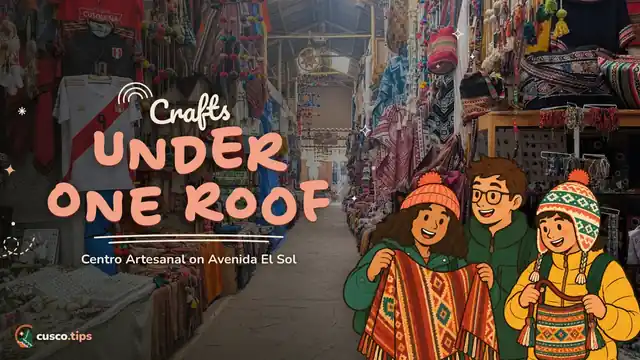
Centro Artesanal Cusco: the big craft market on Avenida El Sol
A guide to the Centro Artesanal Cusco at the end of Avenida El Sol: what's sold, telling qualities apart, bargaining, getting there and when to go. Check hours first.
Read guide →