
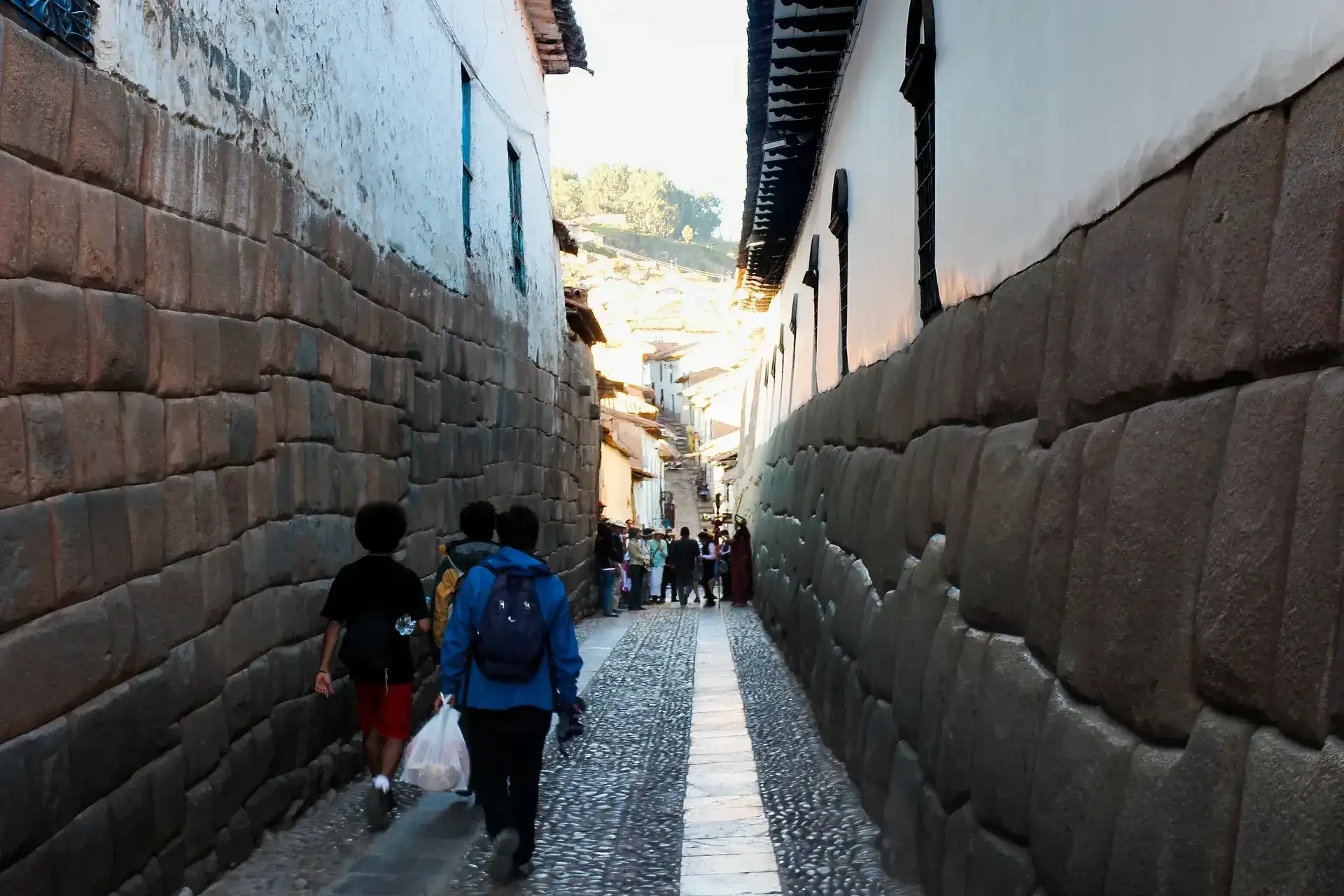
Cusco is one of the most photogenic cities in South America: perfect Inca walls, colonial balconies, cobbled streets, colourful markets and mountains that change tone by the hour. You can photograph it on your own, but a photography tour takes you to the right places at the right light, helps with camera settings and, above all, teaches you to photograph people respectfully. This guide explains the types of tours available, the usual routes, when the light is best and what gear to bring.
Start here: Cusco tips · things to do in Cusco
Types of photography tours
- Urban photo walks: two to four hours around the historic centre, San Blas and the viewpoints, on foot and in a small group.
- Sunrise or sunset outings: focused on golden light over the city or the Sacred Valley.
- Full-day tours with a photographer: by private vehicle through the Sacred Valley, Moray, Maras or high-altitude lakes.
- Traveller portrait sessions: a local photographer goes with you and takes photos of you at iconic spots.
- Workshops: combine a practical outing with a photo review, for those who want to learn.
Popular activities on GetYourGuide
A photo route around the city
- Plaza de Armas early, when there are few people and soft light on the Cathedral.
- Hatun Rumiyoc street and the twelve-angled stone, with side light that brings out the joints in the walls.
- San Blas: white alleys, blue doors and the little square with its fountain.
- San Cristóbal viewpoint for the red-roof view.
- San Pedro market late morning, with colour and scenes of everyday life.
- Inca streets of Cusco: Hatun Rumiyoc, Loreto and the walls still standing
- San Blas, Cusco's artisan quarter: what to see, viewpoints and tips
- The best viewpoints in Cusco: where to see the city from above
- San Pedro Market in Cusco: what to eat, what to buy, opening hours and tips
Photography in the Sacred Valley
Valley landscapes photograph best in the morning or late afternoon. Moray's circular terraces look best with side shadows, the Maras salt pans glow in mid-morning sun, and Ollantaytambo and Pisac offer terraces that fade into the mountains. A tour with a private driver lets you stop wherever you like, which is hard on a group tour.
- Moray and the Maras salt mines: how to visit from Cusco or the Sacred Valley
- Ollantaytambo: ruins, a living Inca town, the Machu Picchu train and tips
- Pisac: Inca ruins, craft market and how to visit from Cusco
- Private driver in Cusco and the Sacred Valley: when it's worth it and how to hire one
When the light is best
- Golden hour: the first hour after sunrise and the last before sunset, with warm light and long shadows.
- Blue hour: just after sunset, ideal for the illuminated Plaza de Armas.
- Midday: harsh light; better for interiors, markets or shaded narrow streets.
- Dry season (May to September): blue skies and clear nights.
- Rainy season: dramatic clouds, green landscapes and wet streets reflecting the light.
- Cusco weather by month: temperatures, rain and what to expect
- Rainy season in Cusco and Machu Picchu: what to expect and how to make the most of it
Photographing people respectfully
- Always ask permission, with a gesture or a word in Spanish or Quechua.
- Some people in traditional dress pose with llamas for a tip: it's their job, agree on the amount first.
- Don't photograph religious ceremonies, processions or church interiors where it's forbidden.
- In markets, buy something or chat before taking out your camera.
- Good photography guides have ties with the community and make respectful encounters easier.
- Basic Quechua phrases for your trip to Cusco (with pronunciation)
- Ethical shopping in Cusco: fair trade, cooperatives and weavers
Recommended gear
- A versatile lens (for example a standard zoom) for streets and landscapes.
- A wide angle for interiors, squares and mountains.
- A light telephoto for discreet portraits and architectural details.
- A small tripod for blue hour and night photography.
- Spare batteries: the cold at altitude drains them faster.
- A rain cover if you travel between November and March.
- Trekking gear rental and shops in Cusco: what to rent, what to bring and tips
- Best time to visit Cusco and what to pack
Rules and restrictions
- At Machu Picchu, professional tripods and drones without authorisation are banned; check the current rules.
- Drones need permits at archaeological sites and are usually banned at heritage sites.
- Photos are not allowed inside the Cathedral and other churches.
- Machu Picchu rules: what to bring, bag size, banned items and guides
- Cusco Cathedral: what to see inside, the Last Supper with guinea pig, tickets and hours
How to choose a photography tour
- Very small groups: two to six people, so you have time at each spot.
- A photographer guide: look at their portfolio before booking.
- Timing around the light: a good tour starts early or ends at sunset.
- Level: check whether it's for beginners or experienced photographers.
- What's included: transport, entrance fees, photo editing or a later review.
If you only have a phone
A modern phone is enough for excellent photos in Cusco. Clean the lens often, use night mode for blue hour, lower the exposure for very bright skies and use portrait mode in markets. Many photography tours welcome phone shooters.
Photography and altitude
Carrying heavy gear at 3,400 metres is more tiring than usual. Take only the essentials in the first days, stay hydrated and don't rush up steep viewpoints to catch the light.
Frequently asked questions
- Is a photography tour in Cusco worth it?
- Yes, if you want the best light, to learn settings and to photograph people respectfully.
- What is the best time to photograph Cusco?
- Early morning and the golden hour before sunset.
- Can I fly a drone in Cusco?
- At archaeological sites you need authorisation and at many it's banned; check first.
- Do I need a professional camera?
- No. A modern phone gives very good results and many tours accept it.
Book this plan
- Cusco city tourCompareSee dates →
- Sacred Valley tourCompareSee dates →
- Machu Picchu day trip from CuscoCompareSee dates →
Notice: This guide shares advice and recommendations based on research and local experience. Prices, opening hours and rules may change: always check with official sources and operators. Cusco Tips is not responsible for third-party services, bookings or decisions made using these guides; some links are affiliate links (see our affiliate policy).
Related guides
The best photography spots in Cusco and around
Photo spots in Cusco: Plaza de Armas, San Blas, Inca streets, viewpoints, markets and Sacred Valley and Machu Picchu scenes, with best times, tips and respect for people.
Read guide →
The best viewpoints in Cusco: where to see the city from above
The best viewpoints in Cusco: San Cristóbal, San Blas, Cristo Blanco, Sacsayhuamán, Santa Ana and more, how to get there, best time for photos and safety tips.
Read guide →
Private driver in Cusco and the Sacred Valley: when it's worth it and how to hire one
What hiring a private driver in Cusco offers: Sacred Valley routes at your pace, advantages over shared tours, how to choose one and what to agree before setting off.
Read guide →
Rainbow Mountain (Vinicunca): a practical guide to visiting
How to visit Rainbow Mountain from Cusco: tours, the hike, altitude (~5,000 m), horses, Red Valley, Palccoyo, best season and what to pack.
Read guide →