
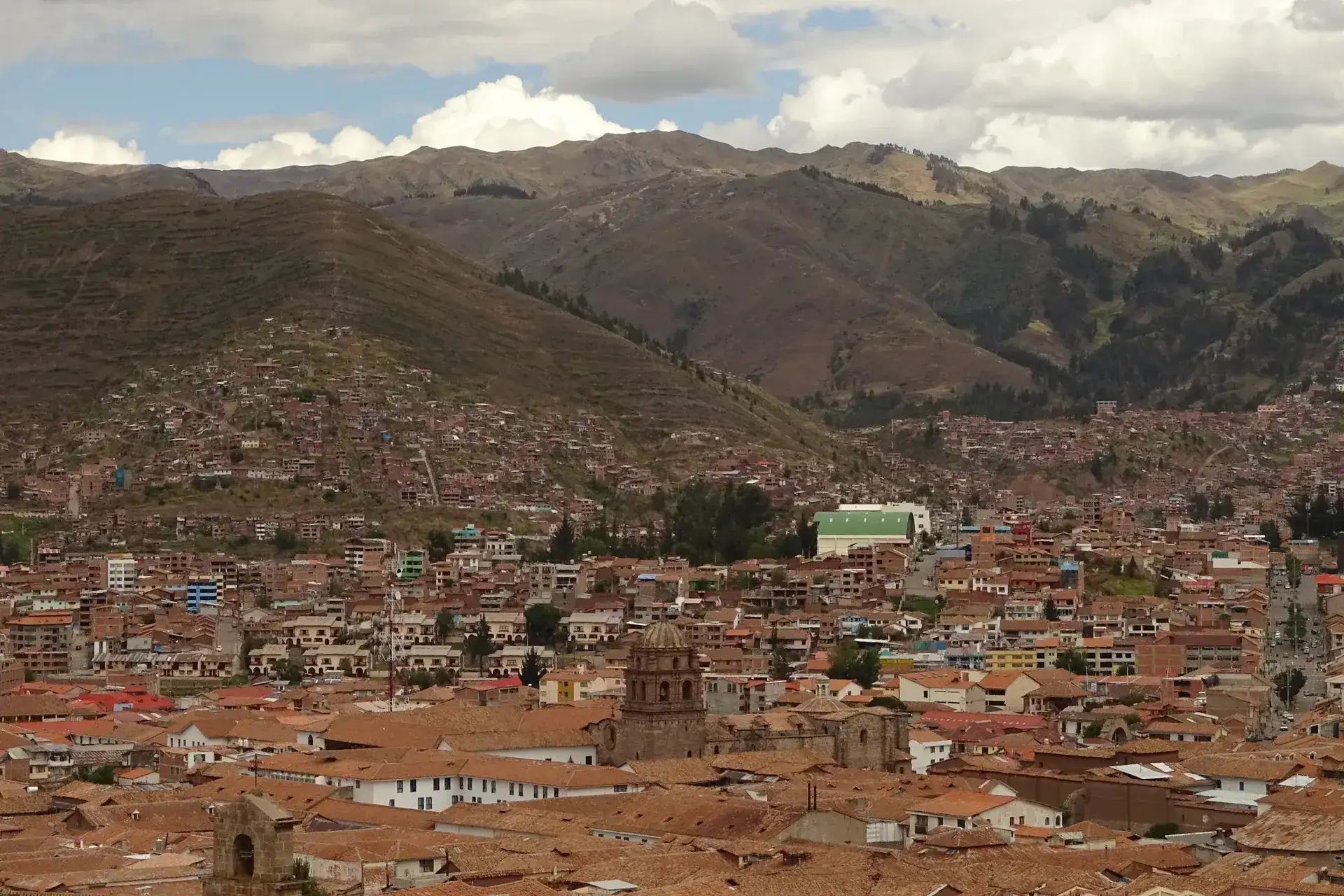
When someone in Cusco breaks their phone charger, needs a backpack or wants cheap clothes, the answer is usually the same: go to El Molino. This huge popular shopping centre, made up of hundreds of small shops, is where the city buys everything at a good price. It isn't touristy or pretty, but it can get you out of a fix during your trip and shows you a very real side of Cusco. This guide explains where it is, what people buy, how to find your way around and what precautions to take.
Tours to explore Cusco's markets
Start here: Cusco tips · things to do in Cusco
What El Molino is
El Molino is a set of shopping galleries with small stalls and shops, very close to Cusco's main bus terminal, in the south of the city. In 2026 it celebrated its twenty-fifth anniversary with a parade in the Plaza de Armas, which gives an idea of its importance in local commerce. There are several sections; the best known is El Molino I, with the El Molino II market next to it.
Inside you'll find narrow aisles packed with clothes, shoes, electronics, toys, homeware, school supplies, suitcases and almost anything else you can imagine. Prices are generally lower than in shops in the historic centre.
How to get there
El Molino is next to the bus terminal area, in the Santiago district, about ten to fifteen minutes by car from the centre. If you're arriving or leaving by long-distance bus, you can stop by.
- By taxi or app: ask for the centro comercial El Molino. Every driver knows it.
- By city bus: several lines pass the bus terminal area. Ask the driver before getting on.
- On foot from the centre: possible, about thirty to forty minutes down Avenida El Sol, though the last stretch isn't particularly pleasant.
- Getting around Cusco: taxis, ride apps, city buses and colectivos
- Cusco to Puno and Lake Titicaca: bus, tourist bus, train or plane
What might interest you as a traveller
- Warm clothes: gloves, hats, scarves, fleeces and thick socks for cold nights or trekking.
- Rain jackets and ponchos: very useful in the rainy season or for Machu Picchu.
- Backpacks, bags and suitcases if you need to carry more than planned.
- Phone accessories: chargers, cables, adapters, cases and power banks.
- Batteries, head torches and small camping items.
- Basic footwear, flip-flops for hostels and spare clothes.
Variable quality
Many products are cheap and of uneven quality. For technical mountain gear, such as trekking boots or sleeping bags for very low temperatures, it's better to rent or buy from specialist shops.
- Trekking gear rental and shops in Cusco: what to rent, what to bring and tips
- Rainy season in Cusco and Machu Picchu: what to expect and how to make the most of it
Finding your way around
El Molino can feel overwhelming the first time: narrow aisles, lots of similar stalls and plenty of people, especially at weekends and in busy periods like Christmas or the start of the school year. Some tips:
- Know what you're looking for before you go in.
- Check several stalls and compare before buying: prices can vary a lot.
- Look for zones by product type; shops in the same trade are often grouped together.
- Ask vendors; they'll usually point you to what you need.
Prices and bargaining
At El Molino, moderate bargaining is normal, especially if you buy several things. Do it politely and don't push too hard: small traders' margins are often slim. Always ask the price first, check the product and, for electronics, ask to test it on the spot.
- Bring cash in small notes; some stalls accept app payments, but not all.
- Keep the receipt if you get one, in case you need an exchange.
Opening hours
Shops usually open from morning until evening, every day, although each stall sets its own hours and some close earlier on Sundays. Check opening times before you go if you're after something specific. Weekday mornings are the quietest time.
Safety
As in any very busy market, take extra care with your belongings:
- Wear your backpack on your front and keep your phone in a closed pocket.
- Don't flash large amounts of cash.
- Leave unnecessary valuables behind.
- Go during the day and, if possible, with someone.
- Use trusted taxis or ride-hailing apps to get back.
- Is Cusco safe? Real risks and practical tips for a worry-free trip
- Money in Cusco: soles, ATMs, exchange offices and cards
Alternatives
If you're after souvenirs and crafts, El Molino isn't the place: go to San Pedro, San Blas or the artisan markets. If you like flea markets, there's the Saturday baratillo in the Santiago neighbourhood. For food, try Wanchaq or San Pedro markets.
- El Baratillo, Cusco's Saturday flea market
- Cusco's artisan markets: San Blas, Centro Artesanal, Pisac and Chinchero
- Wanchaq Market: where Cusco locals really shop
Frequently asked questions
- Where is El Molino in Cusco?
- Next to the bus terminal area in the Santiago district, about ten to fifteen minutes by car from the historic centre.
- What can you buy at El Molino?
- Clothes, shoes, electronics, phone accessories, backpacks, suitcases, toys and household goods at low prices.
- Is El Molino safe?
- Yes, with precautions: it's crowded, so watch your backpack and phone and go during the day.
- Can you bargain?
- Yes, moderate and polite bargaining is normal, especially if you buy several items.
Book this plan
- Cusco food tourCompareSee dates →
- Cusco city tourCompareSee dates →
Notice: This guide shares advice and recommendations based on research and local experience. Prices, opening hours and rules may change: always check with official sources and operators. Cusco Tips is not responsible for third-party services, bookings or decisions made using these guides; some links are affiliate links (see our affiliate policy).
Related guides
El Baratillo, Cusco's Saturday flea market
El Baratillo, the Saturday flea market in Cusco's Santiago neighbourhood: antiques, second-hand goods, tools and curiosities. Getting there, timing and safety.
Read guide →
Trekking gear rental and shops in Cusco: what to rent, what to bring and tips
Trekking gear in Cusco: renting sleeping bags, poles and jackets, outdoor shops, what agencies include, what to bring from home, checking gear and a packing list.
Read guide →
What to buy in Cusco: authentic souvenirs and what to avoid
The best souvenirs from Cusco: textiles and alpaca, ceramics, retablos, silver, coffee, chocolate, Andean grains and pisco; where to buy, how to bargain and what not to take home.
Read guide →
Wanchaq Market: where Cusco locals really shop
Wanchaq Market in Cusco: how to get there, what to buy (bread, cheese, chocolate), where to have breakfast or lunch, and tips. Check opening times before you go.
Read guide →