
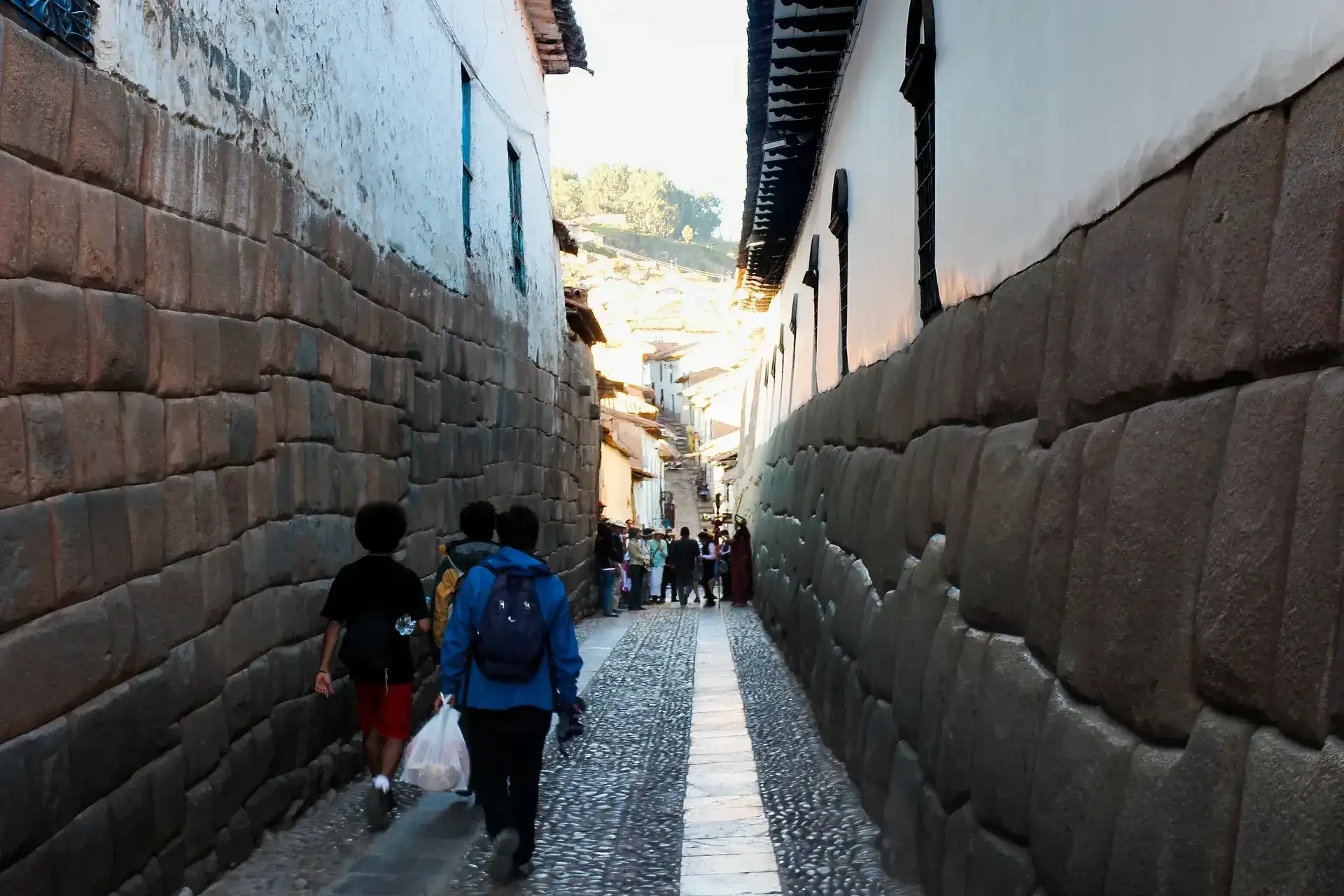
On Saturday mornings, several streets in Cusco's Santiago neighbourhood turn into a gigantic flea market. This is El Baratillo, the city's best-known second-hand market, where everything is for sale: tools, used clothes, records, old coins, spare parts, vintage toys, furniture and objects nobody could classify. It isn't a tourist spot, but it is a very Cusco experience for anyone who loves browsing. This guide explains how to get there, what to expect and how to visit safely.
Tours to explore Cusco's markets
Start here: Cusco tips · things to do in Cusco
What El Baratillo is
El Baratillo is a traditional fair of cheap and second-hand goods held every Saturday on Calle Belén and nearby streets in the Santiago neighbourhood, south of the historic centre. Vendors lay out their goods on blankets on the ground or on makeshift stalls, and the market grows through the morning to fill several blocks. It's considered one of the city's largest and oldest bric-a-brac markets.
For locals it's the place to hunt for a hard-to-find spare part, a cheap tool or a curious object. For travellers it's a different way to see neighbourhood life and, with luck, find a unique souvenir.
How to get there
From the Plaza de Armas it's a fifteen-to-twenty-minute walk: head down to San Pedro Market and continue through the Belén area into Santiago. Calle Belén is one of the market's main streets.
- On foot: the easiest way to combine it with San Pedro.
- By taxi or app: ask for El Baratillo, Calle Belén, in Santiago.
- Coming back by taxi is easiest if you buy something bulky.
- San Pedro Market in Cusco: what to eat, what to buy, opening hours and tips
- Getting around Cusco: taxis, ride apps, city buses and colectivos
When to go
The market runs on Saturdays. Vendors start arriving early and stalls are usually in full swing by mid-morning; activity winds down in the early afternoon. Sources disagree on exact times, so check before you go and, as a rule of thumb, aim to arrive between nine and eleven in the morning.
Going early means more choice and fewer people. Going later lets you see the market at its peak, but with bigger crowds.
What you can find
- Antiques and old objects: coins, banknotes, photographs, keys, padlocks, old radios and cameras.
- Vinyl records, cassettes and second-hand books.
- Tools, bike and car spare parts, electrical supplies.
- Second-hand clothes and shoes.
- Toys, kitchenware and ornaments from other eras.
- Cheap new items of all kinds, from batteries to kitchen utensils.
Just looking counts
Even if you buy nothing, wandering El Baratillo is like walking through an improvised museum of everyday objects from several decades.
How to buy
- Ask the price and bargain politely: haggling is part of the game at a flea market.
- Inspect items carefully: there are no exchanges or refunds.
- Bring cash in small notes and coins.
- Be wary of items of doubtful origin and deals that seem too good to be true.
- Remember the rules on taking antiques or cultural goods out of Peru: genuine archaeological or colonial pieces can't be exported without authorisation.
Useful words for El Baratillo
- ¿Cuánto cuesta?: how much is it, the basic question before any purchase.
- ¿Me hace una rebajita?: the polite way to ask for a small discount.
- Cachina or cachivaches: what Peruvians call the assorted second-hand goods at flea markets.
- Yapa: a small extra the vendor sometimes throws in if you buy several things.
- Casero or casera: an affectionate way to address a vendor or regular customer.
A few words of Spanish and a smile usually get you better prices and more fun conversations.
Safety
El Baratillo is very crowded, so go with care:
- Carry the minimum: leave your passport, jewellery and valuables at your accommodation.
- Backpack on your front and phone put away, especially in the busiest spots.
- Go during the day and preferably with someone.
- If you feel uncomfortable, head to a main street and take a trusted taxi.
Combining your visit
Saturday is a great day for a morning of markets: start early at El Baratillo, carry on to San Pedro Market for breakfast or lunch and, if you still have energy, visit Belén church or head back to the centre. If you're interested in farm produce, the producer-to-consumer Saturday fair runs the same day in San Sebastián, although it's in another part of the city.
- San Pedro Market in Cusco: what to eat, what to buy, opening hours and tips
- Cusco's Saturday farmers' market: the producer-to-consumer fair
- El Molino, Cusco: the big local bazaar for cheap shopping
Frequently asked questions
- What day is El Baratillo in Cusco?
- Saturdays. The market sets up in the morning on Calle Belén and nearby streets in the Santiago neighbourhood.
- What time should I go?
- Between nine and eleven in the morning there's usually a good selection. Check times before you go, as they vary.
- What's sold at El Baratillo?
- Second-hand and old objects, tools, spare parts, used clothes, records, books, toys and cheap goods of all kinds.
- Is it safe?
- Yes, with precautions: it's very crowded, so carry the minimum, watch your things and go during the day.
Book this plan
- Cusco food tourCompareSee dates →
- Cusco city tourCompareSee dates →
Notice: This guide shares advice and recommendations based on research and local experience. Prices, opening hours and rules may change: always check with official sources and operators. Cusco Tips is not responsible for third-party services, bookings or decisions made using these guides; some links are affiliate links (see our affiliate policy).
Related guides
El Molino, Cusco: the big local bazaar for cheap shopping
El Molino, Cusco's popular bazaar near the bus terminal: warm clothes, backpacks, electronics and cheap accessories. Tips and safety advice.
Read guide →
San Pedro Market in Cusco: what to eat, what to buy, opening hours and tips
Guide to San Pedro Central Market: sections, juices, cheap food, breads, cheeses and Andean produce, approximate hours, safety and how to get there from the Plaza de Armas.
Read guide →
What to buy in Cusco: authentic souvenirs and what to avoid
The best souvenirs from Cusco: textiles and alpaca, ceramics, retablos, silver, coffee, chocolate, Andean grains and pisco; where to buy, how to bargain and what not to take home.
Read guide →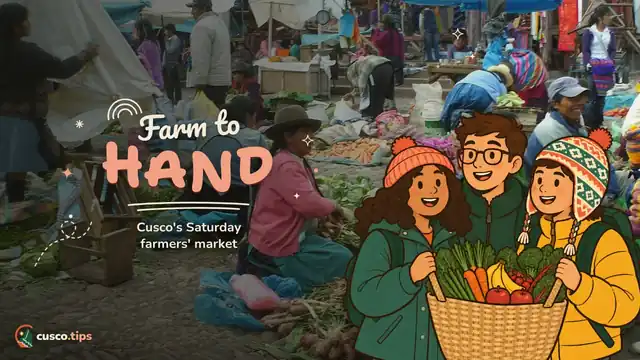
Cusco's Saturday farmers' market: the producer-to-consumer fair
The Saturday producer-to-consumer fair in San Sebastián: native potatoes, cheese, coffee, cacao, honey and food. How to get there and tips. Check times before you go.
Read guide →