
Camping in Cusco: where to pitch, what gear to bring and how to handle Andean cold
Updated:
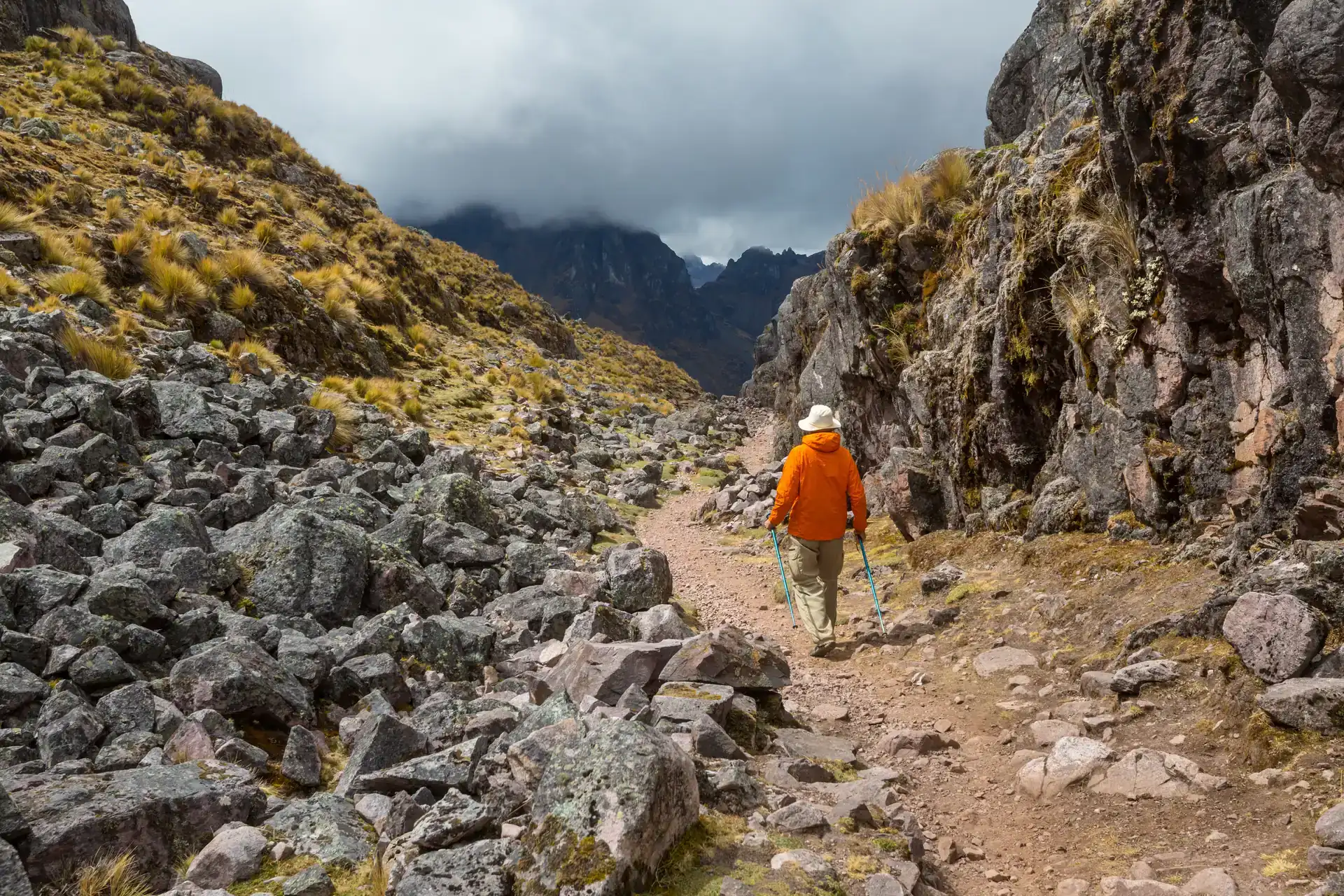
Sleeping under the Andean sky, with snowy peaks lit by the moon, is one of the most memorable experiences of a trip to Cusco. Most people who camp do so as part of a multi-day trek, with an agency or independently. But camping above 4,000 m takes preparation: nights are very cold and the terrain remote. This guide covers the essentials.
Start here: Cusco tips · things to do in Cusco
Where to camp
The region's big treks involve nights camping: the classic Inca Trail, Salkantay, Lares, Ausangate and Choquequirao. They have regular camping areas, often next to communities that charge a small fee and offer water or basic toilets. Away from the trekking routes there's no network of campsites as in other countries.
- Salkantay Trek to Machu Picchu: route, difficulty, best season and how to plan it
- Lares Trek to Machu Picchu: route, difficulty, communities and comparison
- Ausangate trek: the great circuit of the sacred peak (route, altitude and preparation)
- Choquequirao trek: Machu Picchu's remote "sister" (route, difficulty and tips)
Popular activities on GetYourGuide
The Inca Trail
On the classic Inca Trail to Machu Picchu you can only camp at authorised campsites and always with a licensed agency; independent camping isn't allowed. Permits sell out months ahead in high season.
- Inca Trail to Machu Picchu: permits, when to book, the 4-day route and the short version
- Short Inca Trail (2 days): the route from km 104, permits and what to expect
With an agency or independent
With an agency, the team of porters or muleteers carries tents and food, sets up camp and cooks. Independently you have more freedom, but you carry everything, need to know the route and sort out water and food. On remote routes such as Ausangate, going with a local guide is the sensible choice if you lack high-mountain experience.
The cold
Above 4,000 m, night temperatures often drop below freezing, especially in the dry season when skies are clear. Waking up to frost on the tent is common. You need a sleeping bag rated below zero, good insulation underneath and thermal clothes to sleep in.
Mountain trick
Fill a bottle with hot water before bed and put it in your sleeping bag.
Gear
- A wind-resistant tent.
- A sleeping bag rated below freezing.
- An insulating sleeping mat.
- Stove and fuel (buy gas in Cusco: you can't fly with it).
- Head torch with spare batteries.
- Layers, hat and gloves.
Cusco has shops renting mountain gear; check the condition of anything you rent carefully.
Food on the trail
If you're going independently, buy light, high-energy food in Cusco: oats, nuts, quinoa, pasta, cheese, chocolate. Villages along the routes have small shops, but with little variety. At high altitude water boils at a lower temperature and cooking takes longer, so plan for more fuel than usual.
Water
There are streams and springs on most routes, but water must be treated: filter, boil or use purification tablets. Near villages and grazing areas the risk of contamination is higher.
Best time of year
The dry season, May to September, is best for camping: less rain, clear skies and very cold nights. In the rainy season campsites get muddy and storms are frequent. February is the wettest month, and the Inca Trail closes that month for maintenance.
- Rainy season in Cusco and Machu Picchu: what to expect and how to make the most of it
- Best time to visit Cusco and what to pack
Communities and respect
Much of the land where people camp belongs to rural communities. Ask permission if you camp near houses or fields, pay any fees you're told about and don't disturb livestock. Good relations with the neighbours also protect you.
Safety
- Tell someone your route and return date.
- Don't camp at the bottom of gullies because of flash-flood risk.
- Bear altitude in mind: altitude sickness gets worse at night.
- Carry a first-aid kit and a means of communication if you're going to areas with no signal.
- Altitude sickness in Cusco: how to prevent it and what to do
- Is Cusco safe? Real risks and practical tips for a worry-free trip
Leave no trace
Take all your rubbish with you, don't light fires where they're not allowed and use the toilets available or bury waste far from water. Cusco's mountains get more and more visitors; looking after campsites is everyone's responsibility.
Camping by lakes
Some treks, such as Ausangate or routes to high mountain lakes, include camps beside glacial lakes. They're spectacular places, but also the coldest and windiest. Pitch your tent sheltered from the wind and away from the shore.
Alternatives
If you want to sleep in nature without carrying gear, glamping in the Sacred Valley offers domes or pods with a bed and comforts. Another option is community lodges on some trekking routes.
- Glamping in the Sacred Valley: hanging pods, tents and domes with a view
- Homestays and community tourism in Cusco: how to stay with a local family
Frequently asked questions
- Can you camp freely around Cusco?
- Trekking routes have regular areas; on the Inca Trail only with an agency at authorised campsites.
- How cold is it at night?
- Above 4,000 m it usually drops below freezing, especially in the dry season.
- Where can I rent gear?
- Cusco has shops renting mountain gear.
- When is the best time?
- The dry season, May to September.
Book this plan
- Urubamba river raftingCompareSee dates →
- ATV ride to Maras and MorayCompareSee dates →
- Sacred Valley ziplineCompareSee dates →
Notice: This guide shares advice and recommendations based on research and local experience. Prices, opening hours and rules may change: always check with official sources and operators. Cusco Tips is not responsible for third-party services, bookings or decisions made using these guides; some links are affiliate links (see our affiliate policy).
Related guides
Trekking gear rental and shops in Cusco: what to rent, what to bring and tips
Trekking gear in Cusco: renting sleeping bags, poles and jackets, outdoor shops, what agencies include, what to bring from home, checking gear and a packing list.
Read guide →
Glamping in the Sacred Valley: hanging pods, tents and domes with a view
Glamping options near Cusco: the Skylodge hanging pods, community glamping in Misminay and Huilloc, what to expect, when to go and what to pack.
Read guide →
Ausangate trek: the great circuit of the sacred peak (route, altitude and preparation)
Ausangate trek guide: a 4–6 day circuit above 4,000 m with passes over 5,000 m, lakes, glaciers and Rainbow Mountain, best season, cold, agencies and safety.
Read guide →
Salkantay Trek to Machu Picchu: route, difficulty, best season and how to plan it
Salkantay Trek guide: 4–5 day route over a pass of about 4,600 m, Humantay Lake, cloud forest, arrival in Aguas Calientes, difficulty, best season and agency vs independent.
Read guide →