
Choquequirao trek: Machu Picchu's remote "sister" (route, difficulty and tips)
Updated:
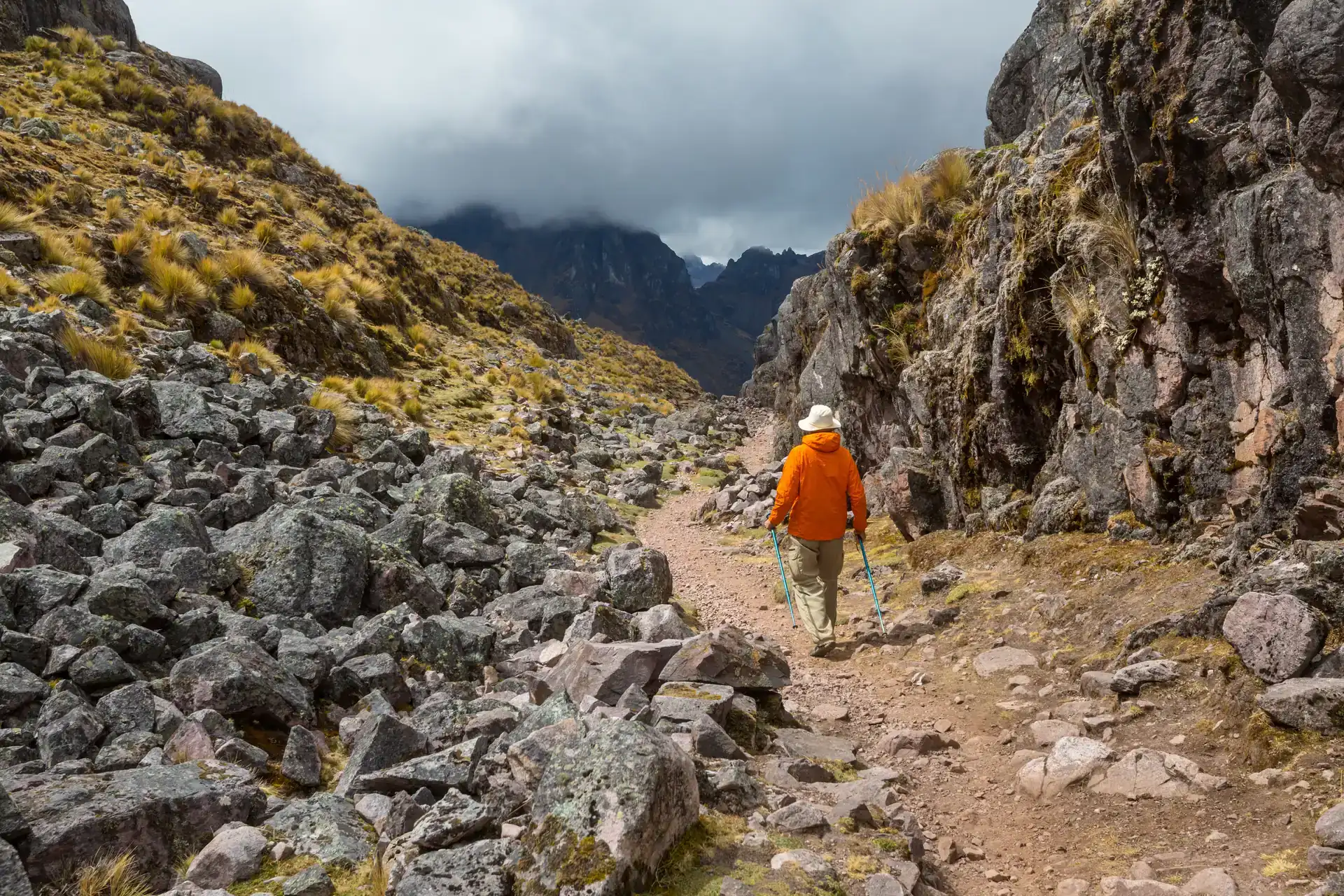
Choquequirao is one of Peru's great Inca complexes and, unlike Machu Picchu, can only be reached on foot. Set at about 3,000 m on a slope above the deep Apurímac River canyon, it receives a tiny fraction of Machu Picchu's visitors. For many trekkers that's exactly what makes it special: monumental terraces, silent plazas and temples, condors soaring over the canyon and a sense of discovery. In return, the trail is hard, with huge descents and climbs.
Start here: Cusco tips · things to do in Cusco
What Choquequirao is
Its name is usually translated from Quechua as "cradle of gold". It's thought to have been an Inca ceremonial and administrative centre linked to the Cusco elite and to the Vilcabamba region, where the Incas resisted after the Spanish conquest. Only part of the site has been excavated and restored; much remains covered by vegetation. Its most famous feature is the terraces decorated with llama figures made of white stones, unique in Inca architecture, plus the main plaza, water channels and terraces running down the mountain.
Popular activities on GetYourGuide
The classic route (4–5 days, out and back)
The usual starting point is the village of Cachora (about 2,900 m) in the Apurímac region, about 4 hours from Cusco by road.
- Day 1: from Cachora to the Capuliyoc viewpoint and a long descent into the canyon to Chiquisca or Playa Rosalina by the Apurímac (around 1,500 m). Very hot at the bottom.
- Day 2: cross the river and climb very steeply to Marampata, the hamlet nearest the site, then on to the Choquequirao campsite. The toughest day: over 1,500 m of ascent.
- Day 3: a full visit to Choquequirao, including the llama terraces, which require a long descent and climb.
- Days 4–5: return the same way: down to the river and a final climb to Capuliyoc and Cachora.
The round trip is around 60 km, but elevation, not distance, defines this trek.
Extreme elevation changes
About 1,500 m separate the river from the site, climbed and descended twice. Knees suffer: poles are almost essential.
Extending to Machu Picchu
Experienced trekkers can link Choquequirao with Machu Picchu on a 7–9 day traverse over several passes in the Vilcabamba range, descending to the Santa Teresa or Hidroeléctrica area. It's one of the great Peruvian Andes traverses but needs strong fitness, serious logistics and usually an agency with muleteers.
- Machu Picchu via Hidroeléctrica and Santa Teresa: the budget route step by step
- Salkantay Trek to Machu Picchu: route, difficulty, best season and how to plan it
Best season
May to September, the dry season, brings better trails and clearer canyon views, though the canyon floor is very hot by day. December to March rains make the trail slippery and raise landslide risk. April and October are often good in-between months.
Agency or independent?
- With an agency: transport, guide, cook, muleteers for the load and camps included. The most comfortable and safest option, especially without multi-day trek experience.
- Independently: possible, since there's no limited permit system like the Inca Trail's. There are simple campsites and small shops at some points, and mules can be hired in Cachora. You need experience, good preparation and enough water or a way to treat it.
- Site entry is paid separately; check the current fee.
- A cable car to Choquequirao has been discussed for years but hasn't materialised: access is still on foot.
What to pack
- Trekking poles and broken-in boots with good grip.
- Strong sun protection, a hat and light clothing for the canyon heat; warm layers for nights at altitude.
- Insect repellent: some areas have mosquitoes and biting insects.
- A water filter or tablets, blister kit, head torch and cash.
- Trekking gear rental and shops in Cusco: what to rent, what to bring and tips
- Altitude sickness in Cusco: how to prevent it and what to do
Costs and permits, roughly
The Choquequirao site entrance is paid separately and isn't part of the Cusco Tourist Ticket. Organised treks vary in price by days, group size and whether mules, a cook and return transport are included. Going independently costs less, but you carry everything or hire mules and muleteers in Cachora. Check current fees before you set off.
- Cusco Tourist Ticket (Boleto Turístico): what's included and is it worth it
- How to choose a tour agency in Cusco: a checklist to get it right
Travel insurance
Choquequirao is far from any hospital. Check that your insurance covers trekking and evacuation from remote areas.
Frequently asked questions
- Is Choquequirao harder than the Inca Trail?
- Because of the elevation changes many consider it harder, though its maximum altitude is lower.
- Do you need a permit for Choquequirao?
- There's no quota like the Inca Trail's, but there is a site entry fee.
- How many days do you need?
- Usually 4 or 5 days round trip from Cachora.
Book this plan
- Choquequirao trekCompareSee dates →
Notice: This guide shares advice and recommendations based on research and local experience. Prices, opening hours and rules may change: always check with official sources and operators. Cusco Tips is not responsible for third-party services, bookings or decisions made using these guides; some links are affiliate links (see our affiliate policy).
Related guides
Things to do in Cusco: 30 essentials in the city and beyond
Things to do in Cusco: the city's essentials, Machu Picchu, the Sacred Valley, day trips, treks, food, markets and festivals, with 1- to 3-day plans.
Read guide →
Salkantay Trek to Machu Picchu: route, difficulty, best season and how to plan it
Salkantay Trek guide: 4–5 day route over a pass of about 4,600 m, Humantay Lake, cloud forest, arrival in Aguas Calientes, difficulty, best season and agency vs independent.
Read guide →
Inca Trail to Machu Picchu: permits, when to book, the 4-day route and the short version
How to get Inca Trail permits: limited spaces, licensed operators only, when to book, the February closure, the classic 4-day route, the 2-day version and what to pack.
Read guide →
Machu Picchu history: who built it, why, and how the world found out
Machu Picchu history made clear: the era of Pachacuti, what it was for, its abandonment, the 1911 expedition, the artefacts returned by Yale and what the name means.
Read guide →
How to choose a tour agency in Cusco: a checklist to get it right
What to check before booking a tour in Cusco: licence, what's included, group size, guide, porter welfare, cancellation, payment and booking online vs on the street.
Read guide →