
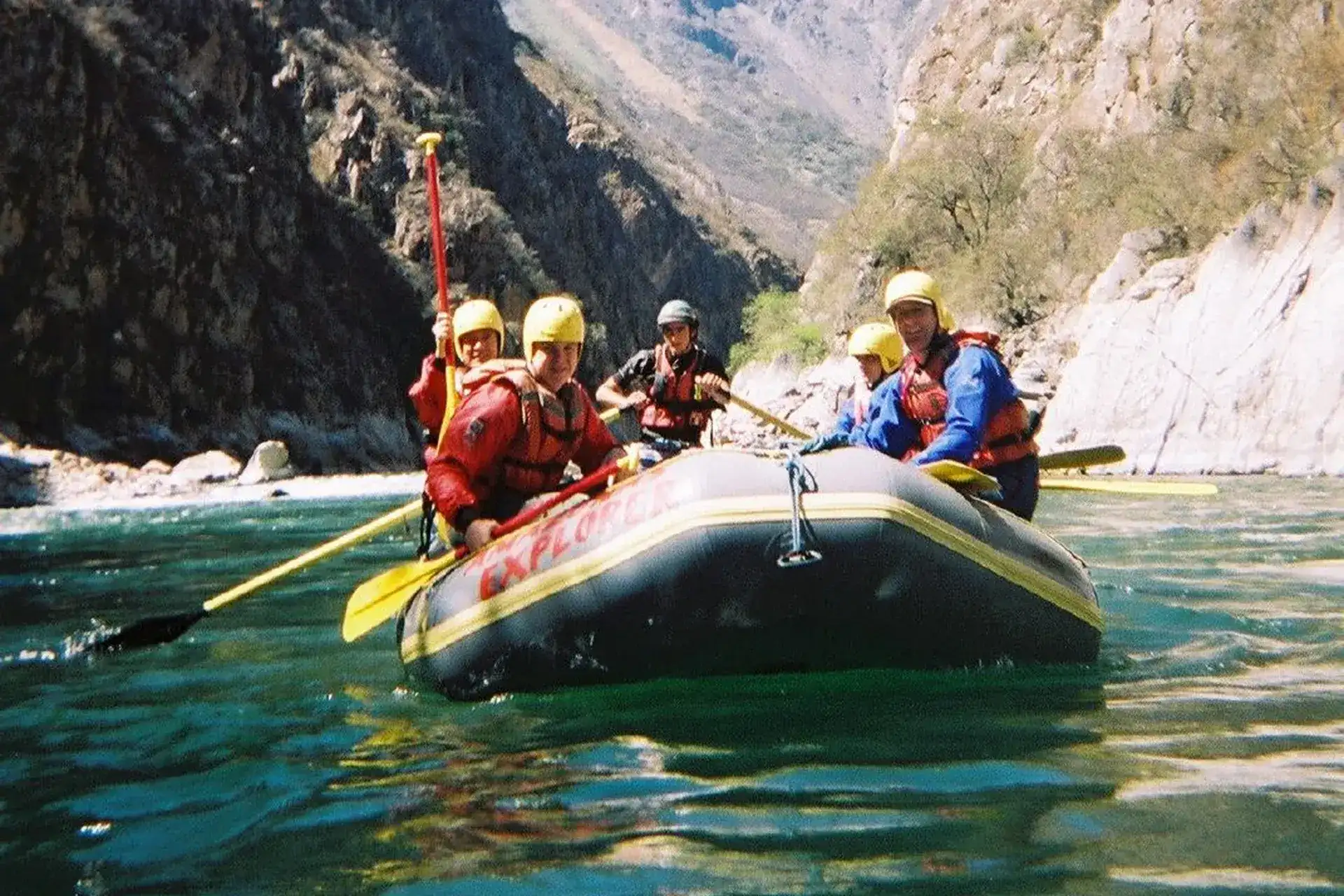
The Apurímac is one of the rivers that give rise to the Amazon and runs through one of Peru's deepest canyons. For many paddlers it's the country's great whitewater expedition: several days running rapids between rock walls, sleeping on sandy beaches by the river, far from any road. This guide explains what these expeditions are like, when they run and what you need.
Start here: Cusco tips · things to do in Cusco
The river and the canyon
The Apurímac rises in the Andes of southern Peru and flows through a very deep canyon west of Cusco. In the stretch run from Cusco, the canyon walls rise hundreds of metres above the river, with rock formations, side waterfalls and very little human presence. It's a wild, spectacular setting, very different from the more touristy sections of the Urubamba.
Popular activities on GetYourGuide
What the expeditions are like
The usual format is 3 or 4 days from Cusco. On day one you drive a few hours to the put-in, around the Huallpachaca bridge, and start paddling in the afternoon. The following days combine hours on the water, stops to explore waterfalls and nights at riverside camps. On the last day you take out and drive back to Cusco.
Completely offline
There's no phone signal in the canyon. Tell your family you'll be out of contact for several days.
A day on the river
The day starts early with breakfast at camp. Then everything is packed, the rafts are loaded and you paddle for a few hours, with stops to explore on foot or swim in calm pools. Lunch is usually on a beach, and in the afternoon you reach the next camp, with time to rest before dinner.
Difficulty
Operators describe class III and IV rapids, with some class V, especially early in the season when flows are higher. Some rapids are avoided by walking along the bank (portages). Some sections are known as more technical and others as more accessible; ask exactly which section your expedition runs.
Season
The season runs roughly May to November, while the river is in its dry season. In May and June flows are high and the rapids more powerful, better for experienced people. As the season goes on the water drops and the run becomes more accessible. In the rainy season the river is too dangerous and trips don't run.
- Cusco weather by month: temperatures, rain and what to expect
- Rainy season in Cusco and Machu Picchu: what to expect and how to make the most of it
Requirements
- Being able to swim is essential.
- Good fitness: you paddle several hours a day.
- Previous rafting experience is highly recommended, especially early in the season.
- Being able to sleep in a tent and go without comforts.
If you've never rafted, try a day on the Urubamba first.
Camps
You sleep in tents pitched on sandy beaches by the river. The operator's crew cooks and sets up camp. It cools down at night, and there can be insects on the beaches: bring repellent and long sleeves.
Safety and choosing an operator
This is a serious activity in a remote place, so the operator is key:
- Guides trained in whitewater rescue and experienced on the Apurímac.
- Safety kayaks accompanying the rafts.
- A full first-aid kit and an evacuation plan.
- Gear in good condition: life jackets, helmets, wetsuits.
Ask for details and recent reviews. A very low price may mean cuts in safety.
Travel insurance
Check that your insurance covers whitewater rafting and evacuation from remote areas. Many basic policies exclude it.
What to bring
- Swimwear, quick-dry clothes and a dry change.
- Sandals or water shoes that can get wet.
- Warm clothes for the evening.
- Water-resistant sunscreen, sunglasses with a strap and a cap.
- Insect repellent.
- Personal medication in a dry bag.
Altitude
The river runs much lower than Cusco, with a mild or hot climate by day. The drive crosses high areas, so arrive acclimatised in Cusco before the expedition.
Alternatives
If you don't have several days or the experience, the Urubamba offers one-day sections of different difficulties near Cusco and the Sacred Valley. For another adventure in the same setting, the Choquequirao trek also crosses the Apurímac canyon on foot.
- Rafting in Cusco: Urubamba sections, the Apurímac, seasons and safety
- Choquequirao trek: Machu Picchu's remote "sister" (route, difficulty and tips)
Responsible tourism
In the canyon, everything that goes in must come out. Choose operators that pack out rubbish, handle waste properly and respect local communities.
Frequently asked questions
- How many days does Apurímac rafting take?
- Usually 3 or 4 days from Cusco, with nights camping.
- How difficult is it?
- Class III and IV rapids, with some class V early in the season.
- When can you do it?
- Roughly May to November.
- Do I need experience?
- It's highly recommended, and being able to swim is essential.
Book this plan
- Urubamba river raftingCompareSee dates →
Notice: This guide shares advice and recommendations based on research and local experience. Prices, opening hours and rules may change: always check with official sources and operators. Cusco Tips is not responsible for third-party services, bookings or decisions made using these guides; some links are affiliate links (see our affiliate policy).
Related guides
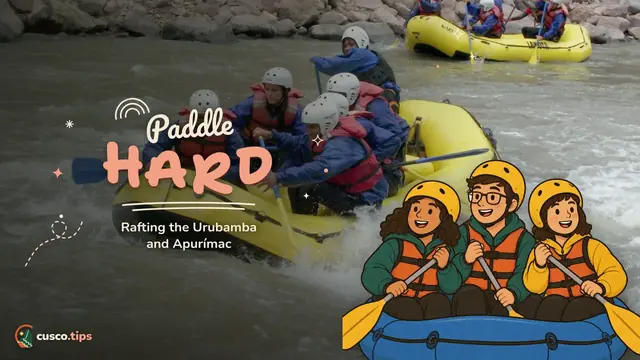
Rafting in Cusco: Urubamba sections, the Apurímac, seasons and safety
Guide to rafting in Cusco: Urubamba River sections (Cusipata, Sacred Valley, Santa Teresa), Apurímac expeditions, difficulty grades, seasons, safety and choosing an operator.
Read guide →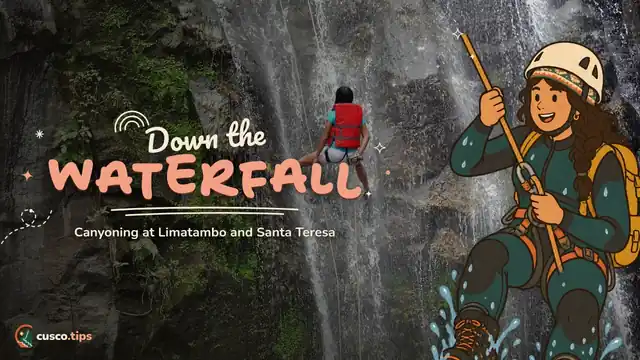
Canyoning in Cusco: Limatambo and Santa Teresa waterfalls, difficulty and tips
What canyoning near Cusco is like: waterfall descents at Limatambo and around Santa Teresa, season, fitness level, gear, safety and how to choose an operator.
Read guide →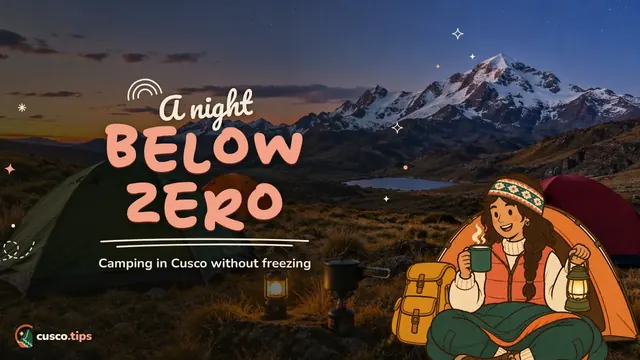
Camping in Cusco: where to pitch, what gear to bring and how to handle Andean cold
A guide to camping in the Cusco region: treks with camps, night temperatures, gear rental, water, permits, communities, safety and alternatives such as glamping.
Read guide →
Choquequirao trek: Machu Picchu's remote "sister" (route, difficulty and tips)
Choquequirao trek guide: a 4–5 day route from Cachora through the Apurímac canyon, elevation changes, what to see on site, best season, agency vs independent and the extension to Machu Picchu.
Read guide →