
Canyoning in Cusco: Limatambo and Santa Teresa waterfalls, difficulty and tips
Updated:
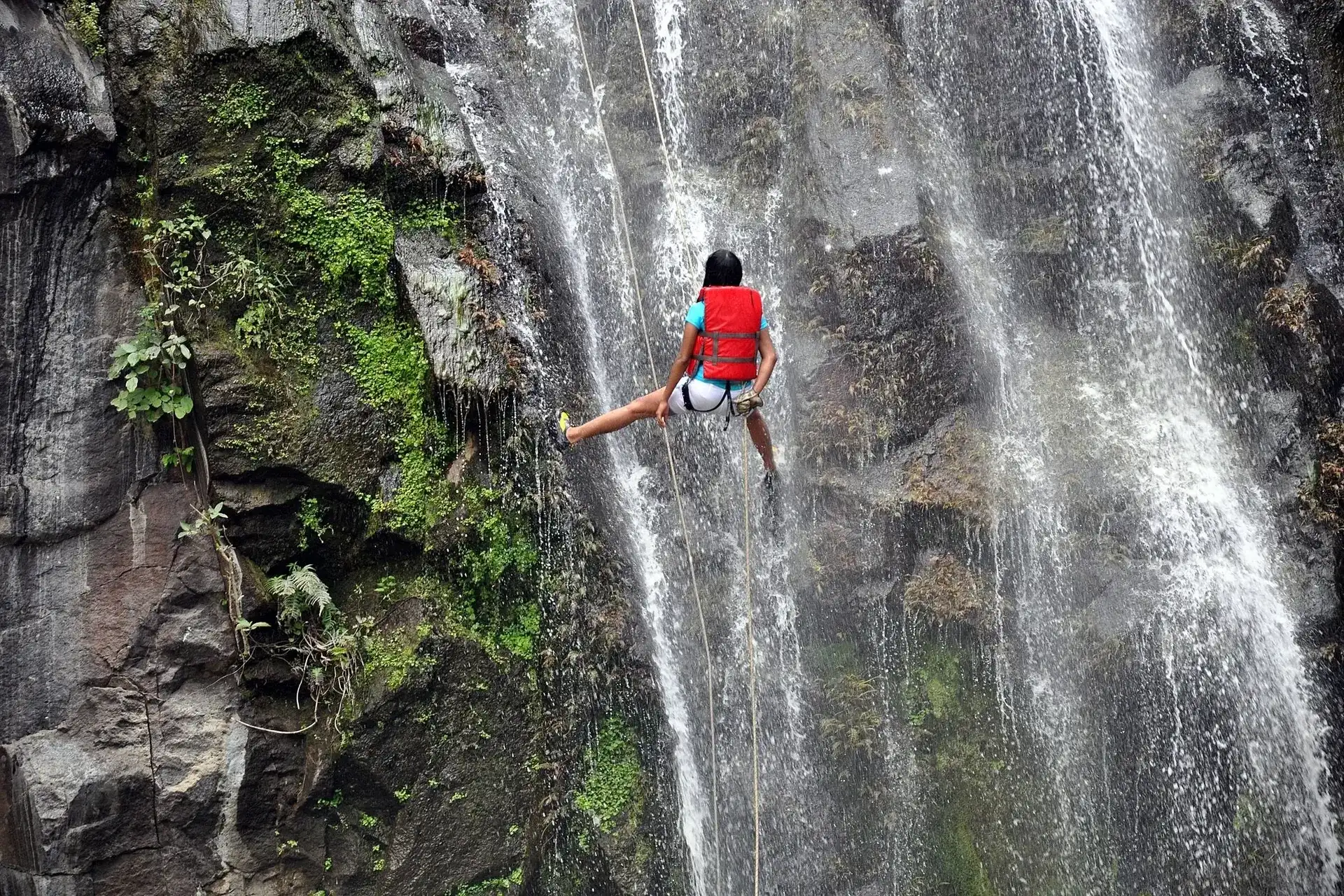
Canyoning involves descending waterfalls and gorges with ropes, a harness and a helmet, sometimes jumping into pools or sliding down the rock. In the Cusco region it's done mainly in two areas: Limatambo, on the road towards Abancay, and around Santa Teresa, on the cloud-forest fringe near Machu Picchu. It's an activity for those who want an adrenaline rush and don't mind cold water. Here's what you need to know.
Start here: Cusco tips · things to do in Cusco
What it involves
With a harness and a rope you control and the guide backs up, you walk backwards down the face of a waterfall as the water pours around you. Depending on the route, there are abseils, stretches of walking along the stream bed and sometimes jumps. Before starting, the guide explains the gear and runs a practice on a small section.
Popular activities on GetYourGuide
Limatambo
A little over an hour from Cusco on the road towards Abancay, the Limatambo area, with gorges such as Huertahuayco, is the closest to the city. Operators describe a circuit of several waterfalls of different heights, the tallest about 60 m, taking one to two hours depending on the group. It's a full-day trip that usually includes transport and lunch.
Archaeology on the way
On the road to Limatambo are Tarawasi and the carved rock of Killarumiyoq, which some tours include.
Santa Teresa
On the cloud-forest fringe, near Santa Teresa and the Cocalmayo hot springs, operators offer descents of tall waterfalls surrounded by tropical vegetation. The climate is warmer than Cusco and it combines easily with ziplining, coffee or the route via Hidroeléctrica to Machu Picchu.
- Machu Picchu via Hidroeléctrica and Santa Teresa: the budget route step by step
- Ziplining and via ferrata in Cusco: the Sacred Valley and Santa Teresa
- Inca Jungle Trek: biking, rafting, ziplining and hiking to Machu Picchu
What a typical day looks like
At Limatambo, hotel pick-up is usually in the morning. After the drive, the guide hands out the gear, gives the safety talk and you walk a few minutes to the first waterfall. After the descents comes lunch and the return to Cusco in the mid-afternoon. At Santa Teresa, the activity usually takes half a day and starts in the town itself, so it fits well into a multi-day route to Machu Picchu. The road to Limatambo is also the one to Mollepata, the starting point for Humantay lake and the Salkantay.
Best time of year
The best time is the dry season, roughly May to October. In the rainy season waterfall flows increase and some outings are cancelled for safety. Always ask the operator about current conditions.
- Cusco weather by month: temperatures, rain and what to expect
- Rainy season in Cusco and Machu Picchu: what to expect and how to make the most of it
Fitness level
You don't need previous experience, but you do need reasonable fitness, no fear of heights and to feel comfortable in water. You'll walk on uneven, wet ground to and between the waterfalls. Operators usually set a minimum age; ask if you're travelling with teenagers.
Gear
Serious operators provide a wetsuit, helmet, harness, descender, carabiners and ropes. Check the gear is in good condition and that the helmet and harness fit well. Andean waterfall water is cold: a wetsuit is essential at Limatambo.
How to choose an operator
- Ask about the guides' training and how many guides there are per group.
- Confirm there's a first-aid kit and an emergency protocol.
- Be wary of prices far below the rest: they usually cut corners on safety or gear.
- Read recent reviews and ask for details of the route.
Insurance
Many policies exclude adventure sports. Check that yours covers canyoning.
- How to choose a tour agency in Cusco: a checklist to get it right
- Is Cusco safe? Real risks and practical tips for a worry-free trip
What to bring
- Swimwear and a dry change of clothes.
- Shoes with good grip that can get wet.
- Towel, sunscreen and insect repellent (at Santa Teresa).
- Water and a snack.
- A dry bag for your phone, or leave it in the vehicle.
Altitude
Limatambo is lower than Cusco and Santa Teresa much lower, which makes the effort easier. Even so, if you've just arrived, allow a couple of days to acclimatise before an intense physical activity.
Photos
Action cameras on a helmet or chest mount are ideal, as long as the guide allows it. Some operators take photos and videos during the descent; ask if they're included.
What to combine it with
You can make an adventure day by combining canyoning with rafting on the Urubamba, or fit it into an alternative route to Machu Picchu via Santa Teresa.
- Rafting in Cusco: Urubamba sections, the Apurímac, seasons and safety
- Inca Jungle Trek: biking, rafting, ziplining and hiking to Machu Picchu
Responsible tourism
The waterfalls are on local community land. Leave no rubbish, respect the crops and follow the guide's instructions.
Frequently asked questions
- Where can you go canyoning near Cusco?
- Mainly at Limatambo, a little over an hour away, and around Santa Teresa.
- Do I need experience?
- No, but you need good fitness and to be comfortable with heights and water.
- When is the best time?
- The dry season, roughly May to October.
- What gear is included?
- Usually a wetsuit, helmet, harness and technical gear; confirm when booking.
Book this plan
- Urubamba river raftingCompareSee dates →
- ATV ride to Maras and MorayCompareSee dates →
- Sacred Valley ziplineCompareSee dates →
Notice: This guide shares advice and recommendations based on research and local experience. Prices, opening hours and rules may change: always check with official sources and operators. Cusco Tips is not responsible for third-party services, bookings or decisions made using these guides; some links are affiliate links (see our affiliate policy).
Related guides
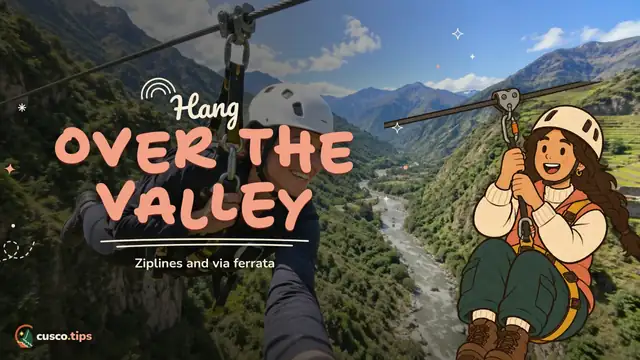
Ziplining and via ferrata in Cusco: the Sacred Valley and Santa Teresa
Guide to ziplines and via ferrata in Cusco: what the Sacred Valley via ferrata is like, the Santa Teresa ziplines, difficulty, ages, safety, combos and what to bring.
Read guide →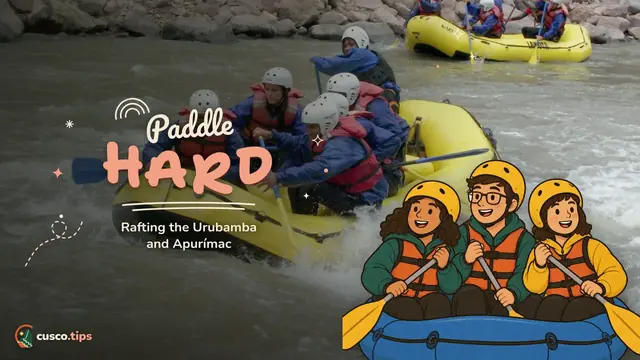
Rafting in Cusco: Urubamba sections, the Apurímac, seasons and safety
Guide to rafting in Cusco: Urubamba River sections (Cusipata, Sacred Valley, Santa Teresa), Apurímac expeditions, difficulty grades, seasons, safety and choosing an operator.
Read guide →
Machu Picchu via Hidroeléctrica and Santa Teresa: the budget route step by step
How to reach Machu Picchu without the outbound train: van from Cusco to Hidroeléctrica via Santa María and Santa Teresa, the walk along the tracks to Aguas Calientes, timings, risks and tips.
Read guide →
Inca Jungle Trek: biking, rafting, ziplining and hiking to Machu Picchu
Inca Jungle guide: 3–4 day route with a bike descent from Abra Málaga, optional rafting and zipline, a hike to Santa Teresa, hot springs and arrival in Aguas Calientes.
Read guide →